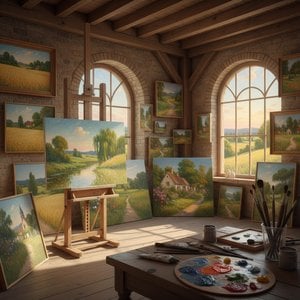
Boris Michailovičius Kustodijevas: Rusų Dvasios Atspindys Ant Drobelės
Boris Michailovičius Kustodijevas, gimęs 1878 metų kovo 7 dieną Astrachanyje, buvo dailininkas, kurio kūriniuose atsispindėjo ryškus ir dažnai idealizuotas Rusijos gyvenimo vaizdas. Jo ankstyvieji metai pasižymėjo provincijos dvasia, kuri buvo formavusi jo pasažiūrą dėl finansinių sunkumų po tėvo netikėto mirties – profesoriaus filosofijos, literatūros istorijos ir logikos dėstojaus. Šis susidūrimas su prekiavimo klasės ir paprastų žmonių gyvenimu giliai paveikė temas, kurios persmelkė jo kūrybą visos karjeros metu. Kustodijevo ankstyvoji švietimas prasidėjo teologijos seminarijoje Astrachanyje, tačiau būtent privačių pamokų su Pavelu Vlasovu, Vasili Perovo mokinio, dėka užgėrė jo meninė aistra. Šis pagrindas pavedė jam į Sankt Peterburgą ir prestižinę Imperatoriškosios dailės akademijos, kur jis nuo 1896 iki 1903 metų mokėsi pas žinomą Iliją Repiną. Repinas anksti atpažino Kustodijevo talentą, net pakviesdamas jį padėti su monumentaliu memorialiniu paveikslu, suteikdamas neįkainojamos patirties ir mentorių. Šis laikotarpis buvo esminis ugdant jo įgūdžius ir įsipareigodamas užfiksuoti Rusijos identiteto esmę.
Meninis Ugdymasis ir Pagrindinės Temos
Kustodijevo meninis kelias išsivystė per įvairius žanrus – portretus, scenų paveikslus ir knygos iliustracijas – tačiau jis nuolat grįždavo vaizduodamas Rusijos kultūros turtingumą ir sudėtingumą. Jo stilius laikui bėgant kito, pradžioje įtakotas Realizmo, vėliau priimdantis Art Nouveau elementus. Jis pasižymėjo nepaprastu gebėjimu ne tik pavaizduoti tai, ką mato, bet ir vietos ar momento atmosferą bei dvasią. Prekiautojų klasė, su jų tradicijomis ir papročiais, tapo dažnu motyvu jo darbuose, atspindėdama ankstyvus įspūdžius iš vaikystės. Tokie paveikslai kaip
Prekiavimo žmona, baigtas 1918 metais, yra stiprūs liudijimai šiam susidomėjimui, parodydami šių dažnai pamirštamų figūrų orumą ir charakterį. Be portretų, Kustodijevas meistriškai užfiksavo kasdienio gyvenimo scenas – judrias rinkias, gyvybingus festivalius, tokius kaip Maslenica (Pyragų savaitė), ryškiai pavaizduotus savo pavadinimu vadinamame 1916 m. paveikslėlyje, ir tykius peizažus, kurie sukūrė gilų nacionalinio pasididžiavimo jausmą. Jo darbai nebuvo tik reprezentaciniai; jie buvo persmelkti giliu meilės Rusijai ir jos žmonėms. Jis keliavo po Europą – Prancūziją, Ispaniją, Italiją – tačiau visada jautėsi traukiamas atgal į savo šalį, nes manė, kad tikroji meninė įkvėpimo šaltinis slypi Rusijos sieloje.
Perkelti Varomąją Jėgą: Menas kaip Atsparumas
1916 metais Kustodijevo gyvenime įvyko dramatiškos permainos, kai jis susirgo stuburo liga. Apribotas vežimėliu, jo fizinis kančia galėjo lengvai užgesinti jo kūrybinį liepsną. Tačiau, priešingai, tai tik sustūmė jį į dar didesnę meninę produkciją ir nuostabią perspektyvos poslinkį. Nepaisant didelių iššūkių, jis toliau tapė gausiai, o vėlesni jo darbai pasižymėjo intensyvesniais ryškiais spalvomis ir džiaugsminga palete. Atrodo, kad negalėdamas fiziškai patirti gyvenimo visapusiškai, jis įdėjo visą savo energiją atkurdamas jo grožį ant drobės. Šiuo laikotarpiu jis toliau šlifavo savo stilių, priimdama dekoratyvesnį požiūrį, kuris pabrėžia gyvenimo paprastus malonumus. Jo atsparumas veidą susiduriančius sunkumams tapo neatsiejama jo meninio palikimo dalimi, parodydamas meno galią kaip stiprybės ir paguodos šaltinį. Paveikslas
Puškinas yra liudijimas šio nuolatinio įtakos.
Istorinis Reikalas ir Istorinė Signifikacija
Boris Kustodijevo indėlis į Rusijos dailę slypi jo gebėjime užfiksuoti epochos dvasią – laiką, kai vyravo didelės socialinės permainos, politiniai sukrėtimai ir kultūrinis atgimimas. Jis ne tik dokumentavo realybę; jis ją interpretavo nostalgijos, meilės ir gilaus supratimo prizmės proga. Jo paveikslai suteikia neįkainojamą įžvalgą apie paprastų rusų gyvenimą praėjusiame amžiuje, išsaugodami jų tradicijas, papročius ir vertybes palikuonims. Jo darbai tuo metu giliai rezonavo su publikomis ir iki šiol žavi žiūrovus. Kustodijevo įtaka galima pamatyti vėlesnių kartų Rusijos dailininkų darbuose, kurie siekė atšvęsti savo nacionalinį identitetą ir pavaizduoti kasdienio gyvenimo grožį. Jo paveikslai dabar saugomi garsiuose muziejuose visoje Rusijoje, įskaitant Kramskojaus dailės muziejų Voroneže ir Charkivo dailės muziejų Ukrainoje, užtikrinant, kad jo meninis vizijas ir toliau įkvėps ir praturtins ateinančioms kartoms.
Žymūs Darbai ir Kolekcijos
- Prekiavimo žmona (1918): Esminis kūrinys, kuriame Kustodijevo meistriškumas vaizduojant Rusijos realizmą ir jo meilė prekiautojų klasei.
- Fontanka (1916): Gyvybingas Sankt Peterburgo gyvenimo atvaizdas, demonstruojantis jo gebėjimą užfiksuoti atmosferą ir judesį.
- Pyragų savaitė/Maslenica (1916): Džiugus tradicinio Rusijos festivalio šventimas, kupinas spalvų ir energijos.
- Trejybės diena: Gaivina rusų religinio renginio dvasią.
- Puškinas: Atspindi menininko požiūrį į literatūros didvyrius.
Boris Kustodijevo kūriniai lieka stipriu liudijimu apie žmogaus dvasios nuolatinį grožį ir atstumą, amžinai įrašytus Rusijos dailės kronikose.



 Peržiūrėti realybėje
 Perejti prie spausdinimo
 Pasidalinti
 Dalintis
 Išsamiau

 Atsisiųsti
 Panašūs eksponatai
 Rentgeno nuotrauka
 Automatinė diorama
 Statistika


 Skaityti daugiau






































 Stiklo variantas prieinamas tik pasirinkus dydį iki 110 cm