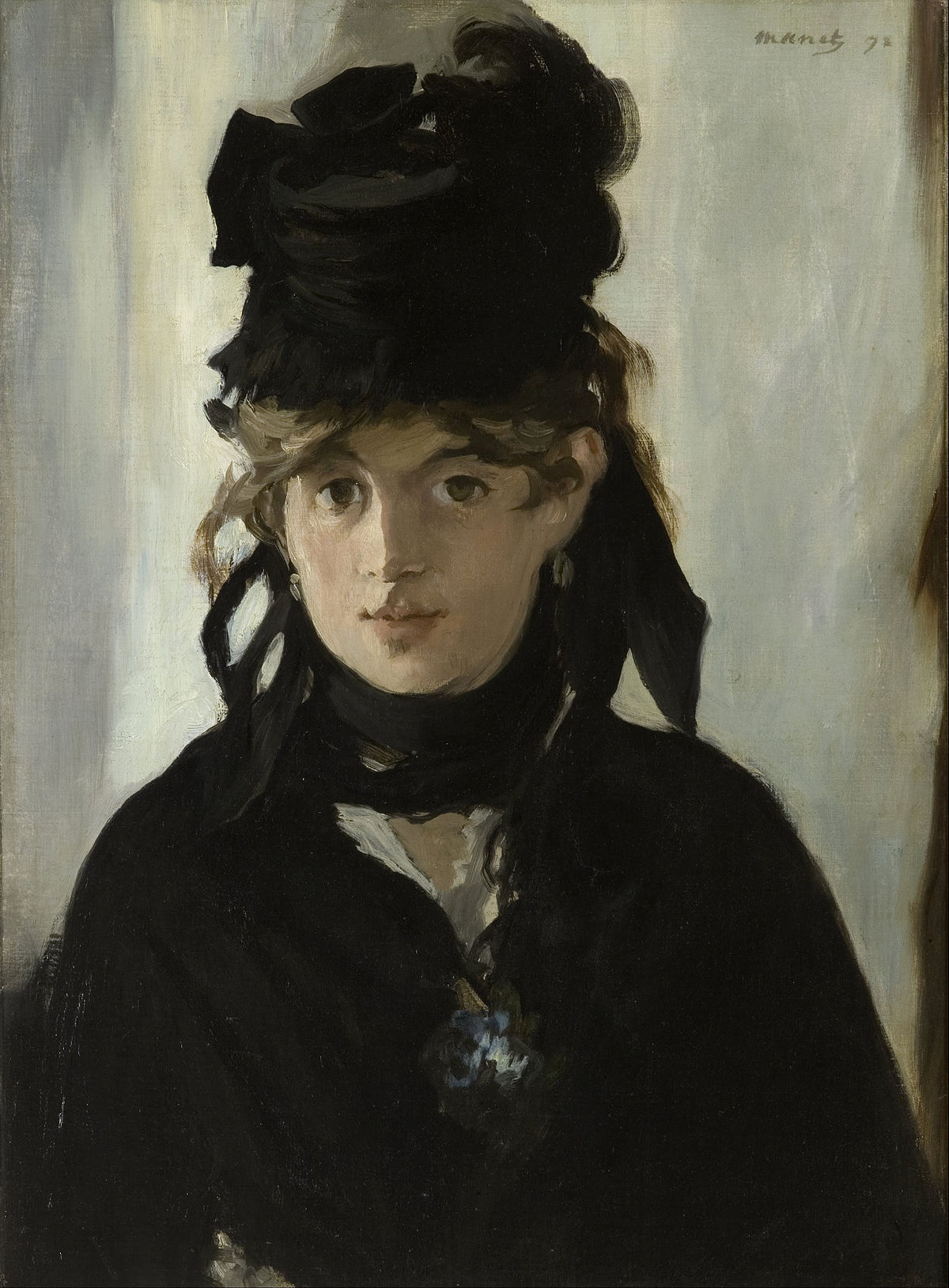
Autoriaus biografija
Bertės Morizo: Šviesos ir Intymių Momentų Tapyba
Bertė Morizo (Marie-Bernadette Morisot), gimusi 1841 metais Buržuose, Prancūzijoje, tapo vienu iš svarbiausių Impresionizmo judėjimo atstovų. Tačiau jos istorija yra daug platesnė nei tiesiog „moteris impresionistė“. Apibrėžti ją tik pagal lytį sumažina jos meno vizijos gilumą ir nuoseklų įsipareigojimą užfiksuoti šiuolaikinio gyvenimo trumpalikius momentus. Kilusi iš buržuazinės šeimos, turinčios meninę genealogiją – ji buvo susijusi su garsiu rokokoko tapytoju Žanu-Onorė Fragonaru – Morizo gavo neįprastą moteriai to laikmečio išsilavinimą, kuris puoselėjo jos įgimtą talentą ir skatino visą gyvenimą trunkančią meilę tapybai. Ankstyvos pamokos su Geoffroy-Alphonse Chocarne ir Joseph Guichard suteikė pagrindinius įgūdžius, tačiau susipažinimas su Louvro meno šedevrais, senų meistrų kūrinių kopijavimu, išties uždegė jos meninę jautrumą. Šis intensyvaus mokymo laikotarpis padėjo pamatus vėlesniam šviesos, spalvos ir formos tyrinėjimui. Ypač reikšmingas buvo Žano-Batisto-Kamilio Koro įtaka; jo pabrėžimas *plein air* tapybai – darbui lauke tiesiogiai iš gamtos – tapo Morizo požiūrio kertiniu akmeniu, leidžiančiu jai užfiksuoti šviesos ir atmosferos efemeriškąsias savybes nepaprastu jautrumu.
Navigacija Impresionistų Rate
Morizo meninis kelias glaudžiai susijęs su Eduaro Manė, kurį ji sutiko 1864 metais. Jų santykiai buvo pagrįsti abipusiu pagarba ir intelektualiniu mainais, o Manė tarnavo kaip jos mentorius ir draugas. Jis daug kartų ją nutapė, įamžindamas jos buvimą savo besivystančiame stiliuje. Tačiau Morizo nebuvo tik objektas; ji aktyviai dalyvavo kylančiame Impresionizmo judėjime, tapdama steigėja kartu su Monet, Degas, Renoir ir Pissarro. 1874 metais ji drąsiai eksponavo su šia „atmestų“ menininkų grupe, paneigdama oficialaus Salono konservatyvius standartus. Ši pirmoji Impresionistų paroda buvo lūžio taškas meno istorijoje, iššūkis tradiciniams akademinėms konvencijoms ir keliant naujų meniškos raiškos būdų. Morizo dalyvavo beveik visose vėlesnėse Impresionistų parodose, nuolat demonstruodama savo unikalų požiūrį ir įtvirtindama savo poziciją avangarde. Jos darbai, dažnai vaizduojantys intymias buities scenas – moteris skaitant, mamos su vaikais, laisvalaikio akimirkos soduose – siūlė išskirtinį moterišką žvilgsnį, paneigdama vyraujančias visuomenės normas ir plečiant priimtino moterų menininkų temų diapazoną.
Savitas Meniškas Balsas
Morizo išskiria ne tik tai, *ką* ji tapė, bet ir *kaip* ji tai padarė. Jos teptuko darbas pasižymi subtiliu sklandumu, prisilietimo lengvumu, perteikiančiu spontaniškumo ir tiesmumo įspūdį. Ji meistriškai panaudojo spalvų laužymą – šalia esančius nedidelius grynos pigmento potėpius sukuriant mirgančią šviesos ir atmosferos efektą. Skirtingai nuo kai kurių jos Impresionistų kolegų, kurie daugiausia dėmesio skyrė dideliems kraštovaizdžiams ar triukšmingiems miesto vaizdams, Morizo dažnai pasirinkdavo intymias interjero scenas ir portretus, tyrinėdama žmonių santykių niuansus ir kasdienio gyvenimo grožį. Jos paletė paprastai švelni ir harmoninga, teikiant pirmenybę pasteliniams atspalviams ir subtiliems spalvų perėjimas. Tai nereiškia, kad jos darbai neturi stiprybės; greičiau jie turi rafinuotą eleganciją ir emocinį gilumą, kuri rezonuoja su žiūrovais net šiandien. Kritikai, tokie kaip Gustave Geffroy, pripažino šią unikalų kokybę, paskelbdami ją viena iš „les trois grandes dames“ dešimt Impresionizmo – kartu su Marie Bracquemond ir Mary Cassatt – pripažindami jos reikšmingą indėlį į judėjimą.
Palikimas ir Tvarus Poveikis
Bertės Morizo gyvenimas tragiškai nutrūko 1895 metais, tačiau jos meninis palikimas išlieka. Ištekėjusi už Eugène Manet, Eduaro brolį, ji naršė pasaulyje, kuris dažnai nepagarbino moterų menininkes, tačiau ji atkakliai tęsė savo veiklą. Ji eksponavo savo pilnu mergaitišku pavarde – subtilus nepriklausomybės ir saviapatiekinimo aktas – ir nuolat iššaukdavo įprastas lūkesčius. Jos darbai ir toliau žavi publiką dėl savo subtilaus grožio, emocinio sąžiningumo ir novatoriškos technikos. Morizo įtaka apima Impresionizmą; ji paklojo kelią būsimoms moterų menininkių kartoms, pademonstruodama, kad moterys gali pasiekti meniškos meistriškės aukštumas ir prasmingai prisidėti prie meno istorijos raidos. Šiandien jos paveikslai laikomi prestižiniuose rinkiniuose visame pasaulyje, liudijantys jos nuolatinį talentą ir svarbų vaidmenį moderniojo meno formavime. Moteris žalioje suknelėje, Lopšys ir Vasaros diena išlieka ikoniškais jos meistriškumo pavyzdžiais, kviečiančius žiūrovus į šviesos, intymių momentų ir tylios kontempliacijos pasaulį.



 Peržiūrėti realybėje
 Perejti prie spausdinimo
 Pasidalinti
 Dalintis
 Išsamiau

 Atsisiųsti
 Panašūs eksponatai
 Rentgeno nuotrauka
 Automatinė diorama
 Statistika


 Skaityti daugiau






































 Stiklo variantas prieinamas tik pasirinkus dydį iki 110 cm