Ankstyvieji Metai ir Formavimasis: Benjamino Westo Kelionė į Meną
Gimus 1738 metais Pensilvanijos kolonijoje, Benjaminas Westas greitai išsiskyrė kaip svarbi figūra transatlantiniame meno pasaulyje. Jis buvo tapytojas, meistriškai naviguojantis neoklasicizmo ir romantizmo srovėmis, tuo pačiu sukūręs unikalų amerikietišką meninį identitetą. Jo istorija – tai nuostabi savišvieta, tvirtas ryžtas ir nepaprastas gebėjimas jungti aristokratų patronus bei revoliucijinį idealizmą. Nuo kuklių pradžių – jo tėvas buvo užeigos šeimininkas Springfielde – Westo įgimtas talentas buvo ugdomas ankstyvo susipažinimo su menu, pranešama, kad jis iš indėnų mokėsi rudimentarius metodus prieš gausdamas bet kokį formalų apmokymą. Šis netradicinis startas suteikė jam inovacijų dvasią, kuri charakterizavo visą jo karjerą. Jis greitai įsitvirtino kaip paklausus portretininkas Filadelfijoje ir Niujorke, tačiau troškimas gilesnių meninių žinių 1760 metais nuvedė jį į Europą, pradėdant kelionę, kuri neišvengiamai pakeitė Amerikos meno eigą.
Italija ir Londonas: Kelią į Pripažinimą
Westo atvykimas į Italiją buvo lūžio momentas. Pasinėręs į Europos meno širdį, jis studijavo meistrus – Ticiano, Rafaelį – ir bendravo su šiuolaikiniais neoklasicizmo mąstytojais, tokiais kaip Anton Rafael Mengs ir Angelika Kauffman. Šis laikotarpis buvo lemiamas formuojant jo estetinę jautrumą, įskiepijant jam klasikinės formos ir istorinį pasakojimą. Tačiau būtent Londonas galiausiai tapo jo pasirinktu namų ir meno centru. Atvykęs 1763 metais, Westas greitai pakilo britų meno scenoje, stebindamas publiką ambicingais drobiniais ir užsitikrindamas karaliaus George'o III globą. Šis karališkasis palaikymas suteikė ne tik finansinį stabilumą, bet ir įtvirtino jo poziciją kaip pirmaujantį asmenį visuomenėje. Lemingas momentas buvo 1769 metais įstojęs į Karališką Akademiją, instituciją, kuriai vėliau vadovavo kaip prezidentas nuo 1792 metų iki mirties. Jo įtaka apėjo jo paties meninę produkciją; Westas tapo amerikiečių menininkų, siekiančių mokymosi užsienyje, gynėju, siūlydamas patarimus ir paramą tokios kartos atstovams kaip Allston, Copley ir Morse.
Istorinės Tapybos Revoliucija: Technika ir Kontroversijos
Westo poveikis meno pasauliui neapsiribojo tik techniniu meistriškumu; jis susijęs su konvencijų iššūkiu. Jis drąsiai peržiūrėjo istorinę tapybą, atsisakydamas griežto prisilaikymo prie klasikinio precedento ir priimdamas šiuolaikiškesnę jautrumą.
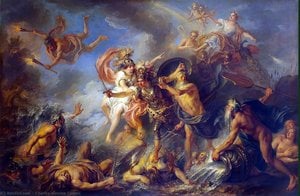
Generolo Volfo mirtis (1770), galbūt jo žymiausias darbas, yra puikus pavyzdys šios revoliucinės prieigos. Vaizduodamas kritusį generolą apsuptą figūrų *šiuolaikiniais* kariniais drabužiais, o ne tradicine romėnų apranga, Westas sukėlė dideles diskusijas. Kritikai abejojo istoriniu tikslumu, tačiau publika buvo sužavėta scenos artimumo ir emocinio rezonanso. Šis drąsus žingsnis signalizavo perėjimą prie didesnio realizmo ir naratyvinės galios istorinėje tapyboje, įkvėpdamas daugybę vėliau sekusių menininkų. Jo stilius kito bėgant laikui, įtraukiant romantizmo elementus į vėlesnius darbus, tačiau visada išlaikydamas įsipareigojimą ambicingai kompozicijai ir detaliai atlikimui. Kiti žymūs kūriniai, tokie kaip
Tetis atnešanti šarvus Achilėjui,
Trys seserys,
Astjanakso baimė ir
Despairo urvas, demonstruoja jo universalumą ir meistriškumą įvairiomis mitologinėmis ir istorinėmis temomis.
Pastogus Palikimas: Formuojant Meninę Tapatybę
Benjamino Westo palikimas apima daugiau nei tik jam sukurtus drobius. Jis fundamentaliai pakeitė Amerikos meno kraštovaizdį, įtvirtindamas istorinę tapybą kaip gyvybingą žanrą amerikiečių menininkams ir skatindamas nacionalinę meninę tapatybę. Jo prezidentavimas Karališkoje Akademijoje sustiprino jo įtaką britų mene, propaguojant inovacijas ir remiant naujokus.
- Jis gynė prieinamesnį ir emociškai įtraukiantį istorinį vaizdavimą.
- Jo studija tapo prieglauda amerikiečių menininkams, ieškantiems mokymosi Europoje.
- Jis sujungė neoklasicinius idealus ir klestėjantį romantikos judėjimą.
Westo novatoriškas dvasias, kartu su jo diplomatiniais įgūdžiais ir nepajuddomu atsidavimu menui, užsitikrino jam ilgalaikį pripažinimą kaip „amerikiečių Rafaelis“. Jis mirė Londone 1820 metais, palikęs kūrinių rinkinį, kuris ir toliau įkvepia susižavėjimą ir pagarbą. Jo istorija yra meno vizijos galios liudijimas, kultūrų mainų svarba ir amžinas menininko paveldo, drįsusio mesti iššūkį konvencijoms ir kloti savo kelią, įrodymas.



 Peržiūrėti realybėje
 Perejti prie spausdinimo
 Pasidalinti
 Dalintis
 Išsamiau

 Atsisiųsti
 Panašūs eksponatai
 Rentgeno nuotrauka
 Automatinė diorama
 Statistika


 Skaityti daugiau