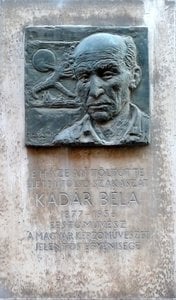
Vengro avangardas: Béla Kádaro gyvenimas ir kūryba
1877 metais Budapešte, dirbančioje žydų šeimijoje gimęs Bélas Kádaras savo kelią į lūžio taškus 20 kartųjų avangardo meną iškovojo per sunkumus ir neatsitraukiančią kūrybinę iešką. Nors jo oficialus išsilavinimas tesužindavo šešeas metus, šis tradicinio mokslymo trūkumas tarsi išlaisvino jį nuo konvencinių ribų, leisdamas išaugti unikaliems, asmeniškams vizualiniams kalbos elementams. Kádaras savo profesinį kelią pradėjo ne su teptuku rankoje, o kaip metalo apdirbimo mokinio – šis amatas giliai paveikė jo meninę jautrią, įsisavinant gilų supratimą apie formą, struktūrą ir prigimtinius grožius, slepiančius pramoniniuose medžiagose. Net ir pirmämis metais jo kūrybinė dvasia buvo akivaizdi; pradžiai jis susikoncentravo į freskų tapimą visame Budapešte, demonstraudamas prigimtinius gebėmus kurti didelius mastus vizualinę ekspresiją ir pasakoti istorijas. Šis fundamentinis laikotarpis padėjo pagrindą drąsioms bei dinamiškoms kompozicijoms, kurios vėliau tapo jo kūrybos žyminimo ženklu.
Parisas, Berlinas ir stilių sintezė
Tikrasis Kádaro meninės plėtros katalizatorius pasirodė 1910 metais po jo kelionių į Parisą ir Berliną. Šios kelionės atvertė jam duris į sparėjantias avangardo sūpias, persmelkusias Vakarų Europą, ir negrįžen tins pakeitė jo meninę trajektorį. Jis susidūrė su radikaliomis „Der Blaue Reiter“ idėjomis, kubizmo fragmentuotomis formomis, futurizmo dinamika ir neo-primitivizmo gryna energija – šių įtakų jis ne tiesiog priimė, o sugebėjo susintezuoti į išskirtinę, savo paties vizualinę kalbą. Kádaras nedrobiojo prisijungti prie vienos konkrečios „moklalos“; priešią, jis pradėjo nuolatinę formų, spalvų ir kompozicijų tyrėją, vedamas nenu ramsčiu troškimu išs Freed from traditional representational art constraints. Jis įsisavino elementus iš konstruktyvizmo ir net sapnių panašius metafizinio tapybos praiškus, juos supynęs į sudėtingą audinį, atspindintį jo unikalų žvilgsnį. Šis laikotarpis tapo kritiniu lūžio tašku, paversdamu jį iš perspektyvaus freskojėjo tikru inovatorium, stąlinčiu prie tarptautinio pripažinimo.
Pripažinimas ir tarptautinė viešumas
Kádaro triumfo akimarka įvyko 1923 metų spalio mėnesį su paroda Berlyne, prestižinėje Herwarth Walden „Galerie der Sturm“. Ši paroda pristatė jo darbus itin ekspresioniniu stiliumi, nedelsiant pritraukdama dėmesį ir įtvirtindama jį kaip neįtikėtiną jėgą Europos meno scenoje. Galerija, žinoma dėl radikalių naujų meninių balsų skatinimo, suteikė Kádarui idealų platformą susisiekti su kolekcionieriais ir kolega menininkais, kurie dalijosi jo eksperimentavimo aistra. Jo tarptautinį prestižą dar labiau sustiprino dvi parodos, organizuotos Katherine Dreier Niujorko Broklinio meno muziejuje 1926 ir 1928 metais. Svarbu pažymėti, kad Kádaras dalyvavo antroje parodoje, taip užtvirtindamas savo buvimą Amerikos meno krašte ir kurdamas vertingus ryšius sparėjant tame laikotarpiu augančiame modernizmo judėjime už Atlanto. Šio laikotlo jo paveikslai dažnai vaizdavo vengro folklorą, asmeninius portretus ir kaimo gyvenimo akimirkas – temas, pateiktas drąšia, ryškia spalvų paleta ir dinamiškomis kompozicijomis, kurios įtrapė tiek jo tėvynės dvasią, tiek moderniojo amžiaus energiją.
Drągios inovacijos palikimas
Bélas Kádaro meninis stilius yra iškart atpažįstamas dėl gyvo ir išraiškingo spalvų naudojimo, dažnai taikant nenaudojant natūralių atspalvių, siekiant perteikti emocijas ir atmosferą. Jo kompozicijos pasižymi liềnu judėjimo ir energijos pojūčiu, pasiekiamu per linijų, formų ir şekpų sąveiką, kurie lyg vibruotų ant drobės. Jis dažnai taikė impasto techniką – teigdamas storus dažų sluoksnius – taip sukurdamas tekstūruotus paviršaus elementus, kurie sustiprina jo darbo vizualinį poveikį ir kviečia į taktilį tyrinėjimą. Tačiau galbūt tai, kas tikrai išskiria Kádarą, yra jo nuostabus gebėjimas šias įvairias menines įtakas susieti į vientisą ir originalią stilių. Jis yra svarbus ryšys tarp vengro avangardo ir platesnių savo laikmečio Europos judėjimų, savo menu atspindėdamas 20 kartųjų pradžios socialinius ir politinius suirutus. Nors gyvenimo metu jis ne visada buvo taip plačiai šlovės renkantis kaip kai kurie jo samtų, Kádaro kūryba pastariaisiais dešimtmečiais patiria atgimimą, o mokslininkai vis dažniau pripažįsta jo didelę įtaką moderniajam menui. Jis mirė Budapešte 1956 metais, palikdamas drąsių ir inovatyvių paveikslų palikimą, kuris ir šiandien įkvepia menininkus bei užburia auditoriją – tai liudijimas neblėstančios to menininko galios, kuris drąsiai ryšė savo kelią.
Kádaro kūrybos pagrindiniai bruožai
- Drągi spalvų paleta: Kádaras buvo garsėjantis gyvu ir išraiškingu spalvų naudojimu, dažnai taikydamas nenaudojančius natūralumo siekį atspalvius emocijų ir atmosferos perdavimui.
- Dinamiška kompozicija: Jo kūriniai pasižymi judėjimo ir energijos pojūčiu, pasiekiamu linijų, formų ir şekpų sąveika.
- Impasto technika: Jis dažnai naudojo storus dažų sluoksnius (impasto), kad sukurtų tekstūruotus paviršius ir sustiprintų savo darbo vizualinį poveikį.
- Unikalus sintezis: Kádaro gebėjimas įvairias menines įtakas susieti į vientisą ir originalią stilių išskiria jį kaip svarbų 20 kartųjų pradžios meno veikėją.
- Temos ir objektai: Jo paveikslai dažnai vaizduoja folklorą, kaimo gyvenimą ir asmeninius portretus, pateikus drąsiais spalvomis ir dinamiškomis kompozicijomis. Jis taip pat tyrinėjo abstrakčias temas ir eksperimentavo su fragmentuotomis formomis.



 Peržiūrėti realaus dydžio版
 Perjungti į spausdinimą
 Siųsti
 Dalintis
 Išsamiau
 Vadovas

 Atsisiųsti
 Panašūs eksponatai
 Rentgeno spindulių nuotrauka
 Diaporama
 Statistika
 Rodyti daugiau