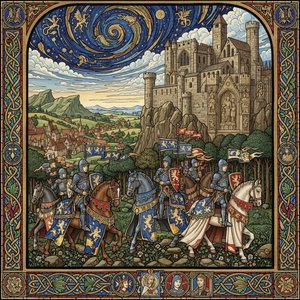
Bartolo di Fredi’s “The Presentation in the Temple”: A Glimpse of Divine Grace
Bartolo di Fredi's "The Presentation in the Temple," painted circa 1400, isn’t merely a depiction of a biblical scene; it’s a shimmering portal into the heart of late medieval spirituality. Created during a pivotal moment of artistic transition – bridging the opulent grandeur of Simone Martini with the burgeoning naturalism of the Renaissance – this tempera-on-wood panel offers a profound meditation on faith, family, and divine grace. The painting, now housed in the Louvre Museum, immediately captivates with its ethereal luminosity, a hallmark of Fredi’s distinctive style, where light seems to emanate from within the figures themselves. It's a work that speaks not just to the eye but to the soul, inviting contemplation on themes of humility, devotion, and the profound mystery at the heart of Christian belief.
A Symphony of Color and Detail: Technique and Style
Fredi’s mastery lies in his ability to synthesize disparate artistic influences into a cohesive and deeply moving whole. The painting is executed in tempera on wood panels, a technique favored for its rich colors and durability – qualities that have allowed the work to endure remarkably well over the centuries. Notice the meticulous detail lavished upon each figure: the flowing robes of Mary, rendered in deep blues and golds, the solemn expression of Joseph, the radiant halo surrounding the infant Jesus. The architectural backdrop, a stylized Gothic church with pointed arches and ribbed vaults, further anchors the scene within its historical context. However, Fredi doesn’t simply replicate reality; he imbues it with an otherworldly quality through his masterful use of color and light. He employs a technique known as “gesso secco,” applying layers of gesso to the wood surface before painting, creating a smooth, reflective ground that enhances the vibrancy of the colors. The gold leaf strategically applied – particularly around the figures’ halos and architectural elements – amplifies this sense of divine splendor, transforming the scene into a veritable tapestry of light and color.
The Narrative Unfolds: Symbolism and Context
“The Presentation in the Temple,” or *La Presentazione di Maria al Tempio*, depicts a pivotal moment from Christian tradition: Mary and Joseph presenting Jesus at the Temple in Jerusalem forty days after his birth. This event, recounted in Luke’s Gospel, holds profound symbolic weight within Christianity. It represents not only the fulfillment of prophecy but also the beginning of Jesus' public ministry – a journey marked by humility, devotion, and ultimately, sacrifice. The inclusion of Simeon, an elderly prophet foretold to recognize the Messiah, underscores the theme of divine recognition and the promise of salvation for all peoples. The offering of two turtledoves (or pigeons) symbolizes the couple’s poverty and their willingness to offer a simple gift to God. Furthermore, the scene is imbued with a sense of anticipation – a quiet reverence that suggests the profound significance of this moment in both Mary's and Joseph's lives.
A Bridge Between Eras: Fredi’s Legacy
Bartolo di Fredi stands as a crucial figure in the transition from Gothic to Renaissance art in Tuscany. While deeply influenced by Simone Martini’s elegant style – particularly his use of rich colors, flowing drapery, and intricate details – Fredi moved beyond mere imitation, incorporating elements of naturalism and perspective that would characterize the burgeoning Renaissance movement. His work embodies a synthesis of these influences, creating a uniquely expressive and emotionally resonant style. “The Presentation in the Temple” is a testament to his artistic vision—a luminous depiction of faith, family, and divine grace that continues to inspire awe and contemplation centuries after its creation. It’s a piece that speaks volumes about the enduring power of art to capture the essence of human experience and connect us to something greater than ourselves.



 Peržiūrėti realaus dydžio版
 Pirkti rankomis tapytą reprodukciją
 Siųsti
 Dalintis
 Išsamiau
 Vadovas

 Atsisiųsti
 Panašūs eksponatai
 Rentgeno spindulių nuotrauka
 Diaporama
 Statistika

 Rodyti daugiau






































 Stiklo variantas prieinamas tik pasirinkus dydį iki 110 cm