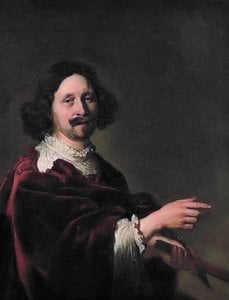
Autoriaus biografija
Pradiniai metai ir formavimasis
Istorija apie Bartholomeus Breenbergh, vieną iš svarbiausių人物 Olandijos aukso amžiaus, prasideda skaidriai apimta misterijos. Gimęs dar prieš 1598 m. lapdalio 13 d., tikriausiai Nyderlanduose, Deventer mieste, jis savo ankstyvųjų metų dokumentaciją palieka labai retą. Didelis lūžis jauniojo Breenbergh gyvenime įvyko 1ng 1607 m., kai mirė jo tėvas, dėl ko šeima persikelbė į Hoorn. Būtent čia, triukšmingame uostas mieste, jis pirmą kartą susipažino su meno pasauliu, tapdamas Jacques Waben samties, ir gavo pirmąsias mokymus – nors ir nuo vieno iš daugybės mažiau žinomų kraštlandžių paveikslų kūrijų, veikusių Amsterdamas tais metais. Vėliau sekė oficialus mokymasis Pieter Lastman ir Jacob Symonsz Pynas priežiūroje, kas padėjo pagrindus jo būsimoms meninei paieškoms. Šie ankstyvieji įtakiai subtiliai įsiliesins į jo brandų stilių, ypač dramatiškas Lastman naratyvines savybes.
Romos viešnešys ir italikinį stilius
1619 m. Breenbergh išvyko į transformatyvią kelionę Romai – miestui, kuris negrįžtamai suformuotų jo meninę viziją. Maždaug vienuolika metų jis pasinerė į gyvybingą Romos meno aplinką, bendradarbiavo su flamų paveiksluotoju Frans van de Kaciele ir pagaudė šviesių Paul Bril kraštlandžių magią. Būtent šiuo laikotarpiu Breenbergh pradėjo kurti savo charakterišką italikinį stilių – idealizuotus Romos Campagna vaizdus, skystai pamirkytus šiltame, auksinėje šviesoje. Jis jautriai stebėjo kaimo vietose išbarstytas klasikos griūklas, įtraukdamas jas į kompozicijas, kurios sukvietė nieko nematytą grožį ir melancholišką didybę. Jo darbai vis labiau susipynė su Cornelis van Poelenburgh kūryba, taip stipriai, kad kartais juos buvo sunku atskirti. Breenbergh šio stiliaus priėmimas nebuvo tik estetinės tendencijos; jis atspindėjo platesnę Europos susižavėjimą antikvariniu periodu ir italikiškų kraštlandžių žavesiu. Jis tapo vienu iš „Bentvueghels“ bendruomenės nariai, Romos olandų ir flamų paveiksluotojų grupės, garsios savo linksma draugyste ir dažnai satyriškais pravardžiais – Breenbergh gavo pravardę „het fret“ (pusė).
Grįžimas į Amsterdamą ir meninė branda
Apie 1630 m. Breenbergh grįžo į Amsterdamą, su savo Romos metų metais išnesdamas išugdytus meninius pojūčius. Jis greitai tapo geidžiamas paveiksluotojas, 1633 m. susiženiavo ir net gavo metinę stipendiją iš Didžiosios Britanijos karaliaus Karolio I – tai buvo liudijimas apie jo augančią reputaciją. Tačiau jo kūryba pradėjo evoliucionuoti užsigaubiant gryną kraštlandžių tapimą. Vėl įkvėstas tokių menininkų kaip Pieter Lastman, jis pradėjo integruoti mitologines ir biblijines figūjas į savo italikines aplinkybes, kurdamas scenas, kurios buvo tiek vizualiai įtraukiančios, tiek turinčios gilią naratyvinę prasmę. Šis šiaurės Europos pasakojimo stiliaus ir pietų Europos kraštlandžių sujungimas sukūrė monumentalų stilių, pasižymintį išraiškmingomis figūromis ir dramatiškais apšvietimo efektais. Nors Breenbergh priėmė tik vieną oficialų mokinį, Jan de Bisschop, kuris mokėsi jo prie niego 1640-aisiais, jo įtaka išsiplėtė į platesnę menininkų grupę, įtraukiančią Jan Linsen, Scipione Compagno, Laurens Barata, Charles Cornelisz. de Hooch ir kitus.
Palikimas ir istorinė reikšmė
Bartholomeus Breenbergh įnašas į Olandijos aukso amžiaus tapybą slypi jo pionieriškėje vaidmenėje nustatant italikinį kraštlandžių stilių šiaurės Europos meninėje tradicijoje. Jis meistriškai sujungė Pieter Lastman, Nicolaes Moeyaert, Paul Bril ir Cornelis van Poelenburgh įtargas, suformuodamas unikalą ir atpažįstamą meninį balsą. Jo gebėjimas vientisai derinti klasikos griūklas, idealizuotus kraštlandžius ir įtraukiančius naratyvus užburė auditoriją ir įkvėpė būsimas kraštlandžių paveiksluotojų kartas. Jis padėjo tiltą tarp ankstyvųjų olandų meistrų ir vėlesnių, labiau patirsusių praktikuojantųjų, tokių kaip Claude Lorrain, atversdamas kelią naujam italikiškų vaizdų vertinimui šiaurės Europos mene. Breenbergh kūryba padėjo išpopuliarinti antikvarinius vaizdus ir idealizuotus kraštlandžius, formuojant jo laikmečio estetinį skonį ir palikdama nepaisytą žymą kraštlandžių tapybos istorijoje. Jo paveikslai ir šiandien kelia emocijas, suteikdami žiūrėtojams pažvalgą į pasaulį, kuriame mitas, religija ir gamta susilieja harmoningo grožio.



 Peržiūrėti realaus dydžio版
 Perjungti į spausdinimą
 Siųsti
 Dalintis
 Išsamiau
 Vadovas

 Atsisiųsti
 Panašūs eksponatai
 Rentgeno spindulių nuotrauka
 Diaporama
 Statistika


 Rodyti daugiau






































 Stiklo variantas prieinamas tik pasirinkus dydį iki 110 cm