


Šiame puslapyje rodomas meno kūrinys yra saugomas autorių teisių įstatymais, todėl neturime teisės legaliai kurti ar parduoti jo identiškos reprodukcijos. Ši apsauga užtikrinama remiantis tokiais tarptautiniais susitarimais kaip Bernės konvencija ir pagal nacionalines įstatymų nuostatas, įskaitant tas, kurias nurodo JAV autoriškos teisės įstatymas – 17-asis skyrius.
Šis metodas visiškai atitinka autorių teises, nes jame nėra saugomo kūrinio kopijavimo ar dubliavimo. Tai yra kūrybinė reinterpretacija – naujas paveikslas, kurį įkvėpė originalas, tačiau kuris nėra jo identiškas.
Muziejų lygio „giclée“ arba drobos spausdinimas: greita gamyba ir lankstios apdailos parinktys. ( Pirkti rankų darbo tapybą Perejti prie skaitmeninių vaizdų)





























Pasirinkite iš mūsų nustatytų dydžių, atitinkančių originalaus meno kūrinio proporcijas.

Įveskite jums reikiamą plotį ir aukštį, kad atvaizdas derėtų prie jūsų rėmo ar sienos. Spausdiną galima tik sumažinti, bet nepadidinti virš originalaus paveikslėlio dydžio, todėl keičiant proporcijas, dalis vaizdo prarandama. Prieš spausdinimą atsiųsime jums skaitmeninį maketą patvirtinimui. Šioje puslapio nuotraukoje matomas pjūvis nėra tikslus – jį rodo tik maketas.
Pristatymas visame pasaulyje () per 2 weeks, o ne įprastas 4/5 savaičių laikotarpis. (10 lapkritis)
The white skirt
Reprodukcijos matmenys
In the hushed atmosphere of Balthus’s 1937 masterpiece, The White Skirt, we are invited into a moment of profound stillness. The painting presents a solitary young woman seated within the embrace of an armchair, her presence commanding yet deeply introspective. There is an undeniable gravity to the composition; the figure does not merely sit, she exists in a state of quiet contemplation that seems to suspend time itself. As one gazes upon this portrait, the viewer is drawn into a private world where the boundaries between the subject and the observer blur, creating an intimate connection that is both haunting and deeply dignified.
The artist’s mastery of light and shadow serves as the heartbeat of the work. Emerging from a soft illumination directed from above and slightly to the left, the light dances across the textures of the scene, carving out the delicate curves of the woman's form and the heavy folds of her attire. This interplay of light creates a sense of three-dimensional depth, pulling the subject forward from the muted, somber background. The palette, a sophisticated arrangement of whites, beiges, and earthy browns, avoids the distraction of vibrant color to focus instead on the subtle nuances of tone, evoking a mood that is at once melancholic and serene.
Balthus, a painter deeply reverent of the Old Masters, utilizes an oil on canvas technique that bridges the gap between classical realism and a modern, almost impressionistic, sensibility. Upon closer inspection, the surface of the painting reveals a rich tapestry of brushstrokes. These are not merely marks of pigment but are deliberate gestures that suggest the tactile reality of the world: the smoothness of porcelain-like skin, the coarse grain of wooden furniture, and the heavy, flowing drapery of the white fabric. This meticulous attention to texture lends the piece an organic vitality, making the stillness of the subject feel even more palpable.
The composition is a masterclass in balance and organic form. The rounded contours of the chair and the fluid, sweeping lines of the woman's clothing create a rhythmic harmony that guides the eye throughout the frame. There is no jarring movement here; instead, the viewer’s gaze wanders softly through the layers of fabric and shadow, mirroring the slow, meditative pace of the subject herself. For the collector or interior designer, this piece offers a sophisticated anchor for a room, providing a focal point that commands respect without overwhelming its surroundings.
Beyond its technical brilliance, The White Skirt is a vessel for profound symbolic meaning. The heavy, draped fabric that dominates the lower portion of the composition can be interpreted as a symbol of modesty, concealment, or perhaps the protective layers we wrap around our inner selves. The subject’s gaze, while not directly meeting the viewer's, suggests a deep interiority—a vulnerability shielded by a stoic exterior. This tension between what is revealed and what is hidden is what gives the painting its enduring psychological power.
For those seeking to bring a sense of history and intellectual depth into their living spaces, this reproduction offers more than just aesthetic beauty; it offers an emotional journey. It is a piece that invites conversation, prompting reflections on solitude, identity, and the quiet strength found in moments of introspection. Whether placed in a contemporary gallery-style setting or a classic study, The White Skirt serves as a timeless window into the enigmatic vision of one of the 20th century's most captivating artists.
Skaitmeninį „The white skirt“ – Baltusas vaizdą galima įsigyti šio kūrinio Skaitmeninis vaizdas puslapio skiltyje: aukštos raiškos skaitmeninio vaizdo atsisiuntimas.
Kūrinio „The white skirt“ – Baltusas stilius – Contemporary Realism. Ši klasifikacija leidžia šį darbą įtraukti į bendrą susijusių menininkų ir kūrinių kontekstą.
Baltusas kūrybos enceklopedijoje kūrinys „The white skirt“ priskiriamas Mature Period laikotarpiui. Šis etapas leidžia palyginti jį su kitais šio autoriaus kūriniais.


1908 - 2001 , Prancūzija

Journey through Neo-Classicism's finest! Explore 10 iconic masterpieces by David, Ingres & Canova. Discover art history, techniques & timeless beauty – perfect for inspiring your home decor. Find museum-quality reproductions at

Explore the captivating world of 19th-century Realism! Discover key artists like Courbet & Millet, masterpieces, and the powerful social commentary behind this influential art movement. Expert insights at WahooArt.

Explore 10 defining masterpieces of Romantic Realism! Discover Courbet, Millet & Daumier's powerful paintings—capturing emotion and social realities. Find museum-quality reproductions for your home at WahooArt.com.
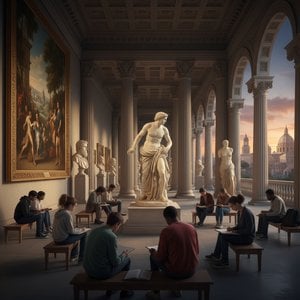
Explore the enduring legacy of Classicism in Western art! Discover its historical context, key principles, iconic masterpieces & lasting influence. Learn about Renaissance and Neoclassical movements with WahooArt.
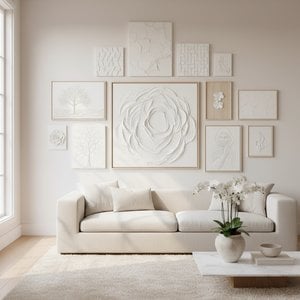
Explore 10 iconic white paintings by Monet, Whistler & Rothko! Discover the stories behind these serene masterpieces and their impact on art history. Find museum-quality reproductions for your home decor at .
 Peržiūrėti realaus dydžio版
 Pasidalinti
 Dalintis
 Išsamiau
 Vadovas

 Atsisiųsti
 Panašūs eksponatai
 Rentgeno spindulių nuotrauka
 Automatinė diorama
 问答
问答
 Statistika

 Skaityti daugiau









 Stiklo variantas prieinamas tik pasirinkus dydį iki 110 cm


