NEMOKAMA MENO KONSULTACIJA

x
Pirkti atspaudą Pirkti atspaudąUžsisakyti kopiją Užsisakyti kopiją PasidalintiPasidalinti
IšsamiauIšsamiau Pridėti į mėgstamiausius Pridėti į mėgstamiausius AtsisiųstiAtsisiųsti Panašūs eksponataiPanašūs eksponatai RentgenogramąRentgenogramą Automatinė dioramaAutomatinė diorama

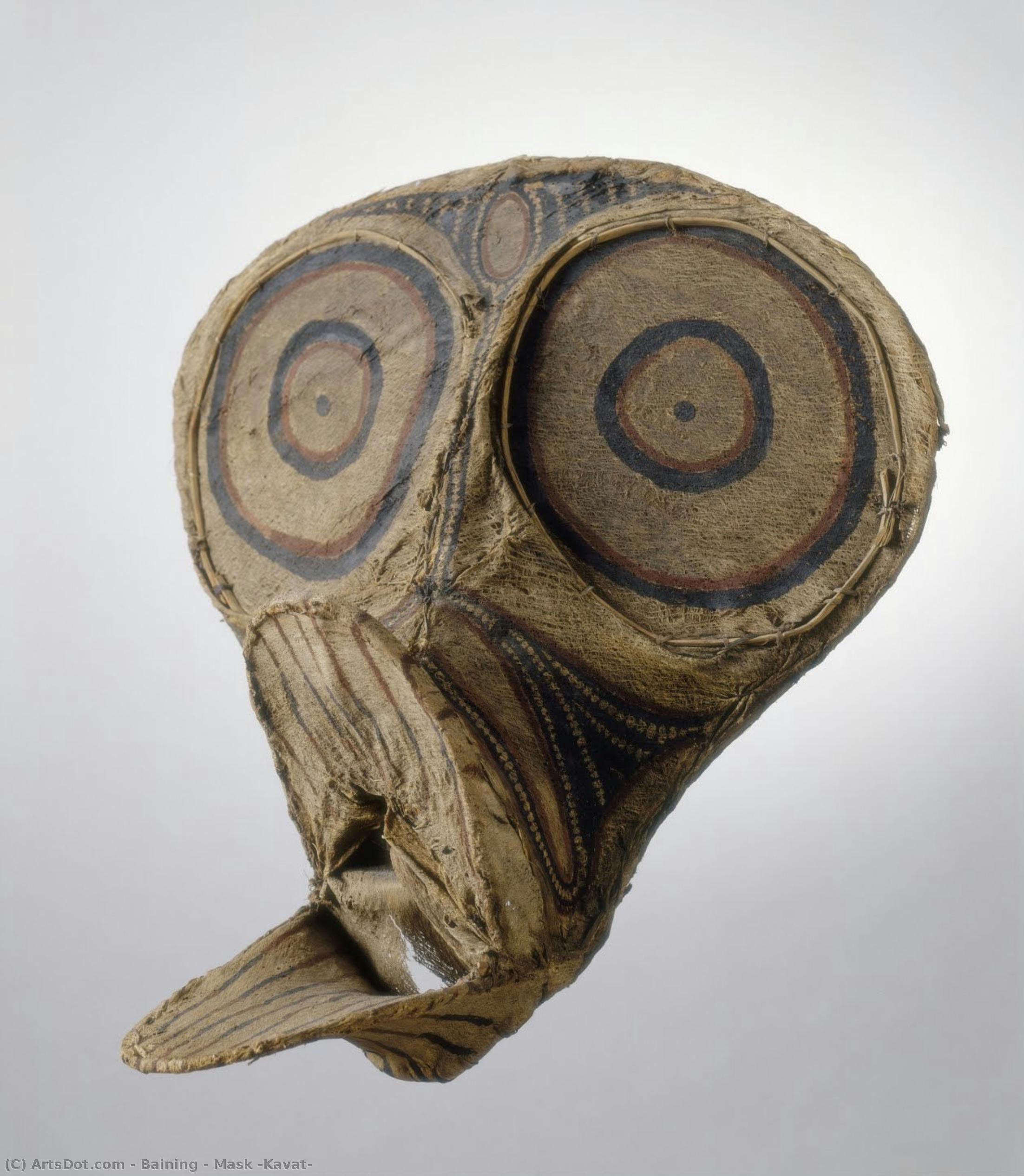
Mask (Kavat)

Explore the evocative art of Baining, a Papua New Guinean artist renowned for documenting his people's traditions & history through intricate storytelling.

Įsigykite aukštos skiriamosios raiškos, patobulintą skaitmeninį vaizdą, gerokai pranašesnį už internetinę peržiūrą.

Kiekvieną failą mūsų specialistai kruopščiai paruošia naudojant pažangias technologijas ir profesionalų rankinį retušavimą. Užtikriname, kad kiekvienas vaizdas pasižymėtų išskirtiniu aiškumu, tikslia spalvų atspalviu ir smulkiomis detalėmis.

Baigiamas failas el. paštu pristatomas per 72 valandas; jis optimizuotas nedelsiant naudojimui profesionalioje, redakcinėje ir spausdinimo aplinkoje. Tai ta pati kokybė, kuria pasitiki aukščiausios klasės dizaino studijos, leidyklos ir galerijos.

Skaitmeninis vaizdas

Atsisiųskite didelės raiškos failą asmeniniam naudojimui, spausdinimui ir kūrybiniams projektams.

Visų sumos kaina

$9.99

Kiekvieną skaitinio vaizdo užsakymą papildė

Profesionalus skaitmeninis pristatymas, garantuotas

Pasirinkę WahooArt.com, jūs ne tik gaunate paveikslėlį – jūs gaunate profesionaliai patobudintą skaitmeninį kūrinį, sukurtą itin tikniai ir užtikrinantį pasitenkinimą. Štai viską, kas automatiškai pritékia jūsų užsakymui:

shipping_icon
Greitas siuntimas el. paštu

Jūsų aukštos raiškos skaitmeninis vaizdo failas bus išsiųstas jums el. paštu per 72 valaudas nuo užsakymo – paruoštas naudojimui be jokių papildomų veiksmų.

canvas_icon
Skaitmeninis failas su dirbtiniu intelektu

Jūsų meno kūrinys profesionaliai optimizuojamas naudojant pažangius dirbtinio intelekto įrankius ir rankinį redagavimą, užtikrinant maksimalią detalę, aiškumą ir spalvų tikslumą.

insurance_icon
Nemokamas visam laikui pakartotinis siuntimas

Atsitiktinai ištrytikote ar praradote savo failą? Nebijokite – bet kuriuo metu atsiųsime jį jums vėl nemokamai.

tax_icon
Jokio importo mokesčio – niekada

Mėgaukitės savo meno kūriniu akimirka – skaitiniai failai visada yra neapmokestinami, todėl nereikės mokėti muitinės, mokesčių ar pristatymo mokesčių.

color_icon
Spalvų tikslumo garantija

Naudodami profesionalią įrangą ir spalvų valdymo sistemas, užtikriname, kad jūsų skaitmeninis vaizdas kuo tiksliau atspindėtų originalias spalvas.

return_icon
60 dienų pasitenkinimo garantija

Jei nebuvate patenkinti savo skaitinio vaizdo, per 60 dienų jį pertaisysime arba grąkinsime 100% sumą – be jokių klausimų.

guarantee_icon
100% pinigų grąžinimo garantija

Nepat 만족inti? Gaukite visą sumokėtą sumą per 60 dienų nuo skaitmeninio failo gavimo – be jokių papildomų klausimų.

discount_icon
Nuolaidos dideliems užsakymams

Pirkti 3 nuotraukas – pasiūla 10% - Pirkti 5 – pasiūla 15% - Pirkti 10 ir daugiau – pasiūla 20%. Puikiai tinka kūrybiniams projektams, galerijoms bei agentūroms.


Autoriaus biografija

The Echoes of the Baining Mountains

The art of Baining, a name that resonates with both mystery and profound cultural significance, is inextricably linked to the rugged landscapes of the Baining Mountains on the Gazelle Peninsula of East New Britain, Papua New Guinea. More than simply a collection of visual representations, Baining artistry—manifesting in elaborate masks, intricate barkcloth designs, dynamic fire dances, and even the rhythmic patterns of their daily lives—is a complex system of storytelling, social control, and spiritual connection. It’s a tradition born from centuries of interaction with the environment, shaped by internal clan dynamics, and profoundly influenced by the ebb and flow of external pressures – most notably, the arrival of neighboring tribes and the subsequent imposition of colonial rule.

The Baining people themselves are thought to have been driven into these mountains in comparatively recent times, a consequence of migrations and conflicts with the Tolai tribes who dominated the coastal regions. This displacement fostered a unique identity—one deeply rooted in resilience, a pragmatic approach to survival, and an unwavering commitment to preserving their cultural heritage within a geographically isolated space. Early ethnographic accounts often painted a picture of a ‘primitive’ culture, largely due to the difficulty of establishing genuine communication with the Baining people – a challenge compounded by the fact that they actively resisted attempts at imposing Western frameworks of understanding.

The Language of Masks and Dance

At the heart of Baining artistic expression lies the mask. These aren’t merely decorative objects; they are conduits to the spirit world, embodiments of ancestral figures, and powerful symbols of social status and authority. Crafted primarily from cane and adorned with white barkcloth, each mask is meticulously painted using natural pigments derived from plants and berries – a process that reflects a deep understanding of the local flora and its symbolic potential. The intricate designs—often depicting mythical creatures, spirits, or clan leaders—are not simply aesthetically pleasing; they carry specific narratives and convey complex meanings understood only by initiates and elders.

The fire dances, perhaps the most iconic aspect of Baining culture, are a spectacular display of athleticism, ritualism, and community cohesion. Performed during elaborate ceremonies, these dances involve young men leaping through blazing bonfires – a symbolic act of purification and initiation into manhood. The rhythmic drumming, chanting, and swirling movements create an immersive experience that transcends the purely physical, connecting participants to their ancestors and reinforcing social bonds. The Baining believe that fire possesses transformative power, capable of cleansing negativity and ushering in new beginnings.

A Culture Shaped by Constraint

Despite the romanticized notions of a ‘primitive’ culture, the Baining way of life is characterized by a remarkable degree of constraint. Unlike many other Melanesian societies, they actively discourage play and leisure activities, viewing them as frivolous distractions from the essential task of working to sustain their community. This emphasis on work—on mastering the land and securing resources—is not simply a matter of economic necessity; it’s deeply intertwined with their spiritual beliefs and social structure. As anthropologist Alexandra Edwards has argued, the Baining see themselves as distinct from the ‘animalistic’ world through their labor, effectively defining what it means to be human.

This aversion to play is not simply a matter of repression; it's a fundamental aspect of their worldview. The Baining believe that excessive indulgence leads to chaos and disruption, while disciplined work fosters harmony and stability. The very act of creating—whether through crafting masks, weaving barkcloth, or cultivating crops—is imbued with spiritual significance, transforming everyday tasks into sacred rituals.

Legacy and Interpretation

Contemporary interpretations of Baining art and culture often challenge the reductive portrayals of the past. Recent scholarship has moved beyond simplistic notions of ‘primitiveness,’ recognizing the sophisticated mytho-poetic systems that underpin Baining social organization, artistic expression, and spiritual beliefs. The Baining’s resistance to external influences—their deliberate rejection of Western concepts of play and leisure—has been reinterpreted as a form of cultural preservation, a conscious effort to maintain their unique identity in the face of overwhelming pressures.

The art of Baining continues to evolve, adapting to changing circumstances while retaining its core values. Despite facing challenges such as environmental degradation and economic hardship, the Baining people remain committed to preserving their traditions—a testament to the enduring power of a culture forged in the heart of the Baining Mountains.

baining

baining

Papua New Guinea

Trumpai apie šį kūrėją

  • Artistic Movement Or Style: Indigenous Art
  • Artists Or Movements Influenced By This Artist: ['None known']
  • Artists Who Influenced This Artist:
    • Thomas Baines
    • George Grantham Bain
  • Full Name: Baining
  • Nationality: Papua New Guinean
  • Notable Artworks:
    • Baining People
    • Night Dance Ceremonies
  • Place Of Birth: WahooArt, Papua New Guinea