


Gaukite spausdinimui paruoštą failą, kurio kokybė gerokai viršija internetinę peržiūrą. Kiekvienas mūsų parduodamas skaitmeninis vaizdas yra ištrauktas iš aukštos raiškos pagrindinio failo mūsų duomenų bazėje — paprastai jis siekia nuo 5 000 iki 15 000 pikselių plotio — todėl galite drąsiai spausdinti didelius formatus, apkirpti vaizdą ar reprodukcija užtikrins visas smulkias detales.
Mūsų studijoje nė viena kopija nelieka neapdorota. Skaitmeninio vaizdo ekspertas, lygiu su originaliu paveikslu, patikrina spalvas ir, jei reikia, jas koreguoja, o tada profesionaliais retušavimo įrankiais padidina aiškumą bei detales — visada išlaikydamas ištikimybę autoriaus teptuko traukoms ir stiliui. Rezultatas – vaizdas, kuris atrodo kaip tikras paveikslas, o ne kaip su filtrais apdorotas skenavimas.
Patvirtinate prieš užsakymo pabaigą: mūsų ekspertas per 72 valandas el. laišku atsiųsta vaizdą jūsų peržiūrai. Nepasitenkinate rezultatu? Paprašykite patobulinimų ar pataisymų arba prašykite pinigų grąžinimo, jei kokybė neatitinka jūsų lūkesčių.
Ši kokybė yra patikima leidybos įstaigoms, dizaino studijoms, galerijoms ir spaudos įmonėms.
Atsisiųskite didelės raiškos failą asmeniniam naudojimui, spausdinimui ir kūrybiniams projektams. ( Perjungti į spausdinamus版作品 Pirkti rankų darbo tapybą)
Pasirinkę WahooArt.com, jūs ne tik gaunate paveikslėlį – jūs gaunate profesionaliai patobudintą skaitmeninį kūrinį, sukurtą itin tikniai ir užtikrinantį pasitenkinimą. Štai viską, kas automatiškai pritékia jūsų užsakymui:
Jūsų aukštos raiškos skaitmeninis vaizdo failas bus išsiųstas el. paštu per 72 valandas nuo užsakymo – jis bus paruoštas naudoti be jokių papildomų veiksmų.
Jūsų meno kūrinys profesionaliai optimizuojamas naudojant pažangius dirbtinio intelekto įrankius ir rankinį redagavimą, užtikrinant maksimalią detalę, aiškumą ir spalvų tikslumą.
Atsitiktinai ištrytikote ar praradote savo failą? Nebijokite – bet kuriuo metu atsiųsime jį jums vėl nemokamai.
Mėgaukitės savo meno kūrynu be jokių muitinės mokesčių, įkainų ar pristatymo išlaidų – skaitiniai failai visada yra neapmokestinami.
Naudodami profesionalią įrangą ir spalvų valdymo sistemas, užtikriname, kad jūsų skaitmeninis vaizdas kuo tiksliau atspindėtų originalias spalvas.
Jei nebuvosite patenkinti įsigyto skaitmeninio vaizdo, mes jį tališkai koreguosime arba grąžinsime 100% sumą per 100 dienų – be jokių klausimų.
Nesitenkinate? Gaukite visą sumokėtą sumą per 100 dienų nuo skaitmeninio failo gavimo – be jokių papildomų klausimų.
Pirkti 3 nuotraukas – 10% nuolaida – Pirkti 5 – 15% nuolaida – Pirkti 10 ir daugiau – 20% nuolaida. Puikiai tinka kūrybiniams projektams, galerijoms bei agentūroms.
Augustus Edwin John’s “Olives in Spain,” painted in 1922, isn't merely a landscape; it’s a distillation of memory and feeling, a poignant evocation of the artist’s profound connection to Provence. This captivating work, rendered in oil on canvas measuring 33 x 41 cm, transports us to a sun-drenched hillside bathed in the golden light of southern France – a place that held an almost mythical significance for John throughout his life.
The scene unfolds with remarkable simplicity and depth. A modest olive grove dominates the composition, its gnarled trees clustered together against a backdrop of rolling hills and distant mountains. The palette is deliberately restrained, dominated by earthy greens, ochres, and muted blues – colors that speak to the region’s geological character and the fading light of dusk. John masterfully employs broken brushstrokes and subtle variations in tone to create an atmosphere of hazy warmth and quiet contemplation. Notice how he doesn't attempt to capture every detail; instead, he focuses on conveying a sense of mood and atmosphere, prioritizing feeling over precise representation.
Augustus Edwin John was a figure of considerable eccentricity and artistic restlessness, a quintessential “Bohemian.” Born in Wales but deeply rooted in the Parisian art scene, he spent decades flitting between London, Paris, and Provence. This period in Provence – from 1910 to 1928 – proved particularly transformative for him. He established an artist’s colony at Alderney Manor, a rambling estate near Martigues, where he gathered a circle of fellow artists, including his brother Gwen John. The landscape itself became a constant source of inspiration, and “Olives in Spain” is arguably one of the most evocative expressions of this enduring fascination.
The painting’s creation coincided with a time of personal reflection for John. Following a serious diving accident that left him partially blinded, he sought solace and renewal in the Provençal countryside. It was here, amidst the olive groves and vineyards, that he rediscovered his artistic voice and found a sense of peace. The work reflects this journey – a yearning for simplicity, beauty, and connection to nature after a period of personal turmoil.
Beyond its purely visual appeal, “Olives in Spain” is rich in symbolic meaning. Olives themselves have long been associated with peace, prosperity, and longevity – qualities that John clearly sought to capture in this painting. The muted colors contribute to a sense of melancholy and nostalgia, hinting at the passage of time and the bittersweet beauty of memory. The solitary figure of a bird perched on a rock in the foreground adds an element of quiet observation, suggesting a moment of contemplation within the vastness of the landscape.
John’s distinctive style—characterized by loose brushwork, flattened perspective, and a focus on capturing fleeting moments of light and atmosphere—is fully evident here. He wasn't interested in creating a photographic likeness; instead, he aimed to translate his emotional experience onto the canvas. “Olives in Spain” is not just a depiction of a landscape; it’s an intimate portrait of a man grappling with his own identity and seeking solace in the beauty of the natural world.
Reproductions of “Olives in Spain” offer a remarkable opportunity to bring this evocative artwork into your home. The painting’s serene composition and rich color palette make it an ideal addition to any living room, bedroom, or study – spaces where you can relax, reflect, and connect with the beauty of nature. Its timeless appeal ensures that it will remain a cherished piece for generations to come.
„Olives in Spain“ dvelkia Calm atmosfera.
„Olives in Spain“ – Augustas Edvinas Džonas priskiriamas Recognized kategorijai ir priklauso Post-Impressionism stiliui.
„Olives in Spain“ – Augustas Edvinas Džonas spalvos于demonstruoja Unified Palette harmoniją. Harmonija apibūdina, kaip spalvos dera viena su kita.

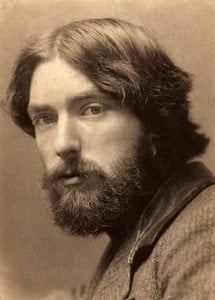
1878 - 1961 , Jungtinės Amerikos Valstijos
 Peržiūrėti realaus dydžio版
 Pasidalinti
 Dalintis
 Išsamiau
 Vadovas

 Atsisiųsti
 Panašūs eksponatai
 Rentgeno spindulių nuotrauka
 Automatinė diorama
 问答
问答
 Statistika


 Skaityti daugiau


