


Muziejų lygio „giclée“ arba drobos spausdinimas: greita gamyba ir lankstios apdailos parinktys. ( Pirkti rankų darbo tapybą Perejti prie skaitmeninių vaizdų)





























Pasirinkite iš mūsų nustatytų dydžių, atitinkančių originalaus meno kūrinio proporcijas.

Įveskite jums reikiamą plotį ir aukštį, kad atvaizdas derėtų prie jūsų rėmo ar sienos. Spausdiną galima tik sumažinti, bet nepadidinti virš originalaus paveikslėlio dydžio, todėl keičiant proporcijas, dalis vaizdo prarandama. Prieš spausdinimą atsiųsime jums skaitmeninį maketą patvirtinimui. Šioje puslapio nuotraukoje matomas pjūvis nėra tikslus – jį rodo tik maketas.
Pristatymas visame pasaulyje () per 2 weeks, o ne įprastas 4/5 savaičių laikotarpis. (16 lapkritis)
Veritas
Reprodukcijos matmenys
In this somber monochrome portrait, the figure of Veritas emerges from a deep, undifferentiated void. Painted by Arnold Böcklin about 1881, the work presents a female personification of Truth. She holds a long, slender sword upright in her right hand, a gesture that feels both steady and unyielding. Her gaze is direct, meeting the viewer with a stoic expression that suggests a quiet, piercing revelation. There is a sense of stillness here, as if she exists in a space removed from the passage of time.
The subject possesses a statuesque quality, her form rendered with a luminous skin texture that contrasts against the dark background. Fine, translucent folds of draped fabric fall from her head, adding a layer of soft, organic detail to her classical silhouette. The sharp, vertical line of the blade cuts through the composition, providing a rigid counterpoint to the curves of her anatomy. She does not merely exist within the frame; she commands the space with a presence that feels both ancient and immediate.
Through this allegorical lens, Arnold Böcklin explores themes of purity and strength. The grayscale palette strips away the distraction of color, forcing a confrontation with the subject's intense, singular purpose. Every shadow and highlight works to define her form, creating a sense of shallow depth that keeps the focus entirely on her unwavering stare and the metallic sheen of her weapon. Truth stands before us, stripped of ornament, defined only by her essence and her steel.
The composition centers on a vertical portrait, drawing the eye immediately to the upper torso and head of the woman. She holds a long, slender sword upright in her right hand, a sharp verticality that cuts through the space. This straight, rigid line of the blade provides a striking contrast to the soft, organic curves of her anatomy. The subject gazes directly toward the viewer with a stoic expression, her eyes meeting the observer in a moment of unyielding presence. Everything about her posture suggests a stillness that is both heavy and resolute.
Light and shadow perform a dramatic dance across the figure, creating a strong chiaroscuro effect. This interplay of light pulls her form out of a dark, undifferentiated void, giving the portrait a sense of shallow depth. The color palette remains strictly grayscale, stripping away the distraction of hue to focus entirely on the interplay of tone. One can almost feel the textures through the visual shifts: the smooth, luminous quality of the skin contrasts against the metallic sheen of the blade and the fine, translucent folds of the draped fabric falling from her head.
The work emerges from a style of academic realism infused with heavy allegorical symbolism. Every brushstroke seeks to ground the ethereal subject in a tangible, physical reality. This sense of presence is heightened by the medium, as the piece appears to be executed in oil on a small panel or canvas. The intimate scale of 27.4 x 21.8cm forces a close encounter with the subject, demanding a quiet, focused gaze to fully register the subtle shifts in light and form. It is a work that feels contained, as if the energy of the figure is being held within its modest boundaries.
A profound darkness defines the environment, with a background of deep black void that offers no sense of horizon or distance. This lack of setting pushes the figure forward, creating a sharp, dramatic contrast between the luminous skin and the surrounding nothingness. The light seems to strike the subject from an unseen source, carving out the anatomy with precision. This technique creates a sense of weight and volume, making the figure feel as though she is stepping out from the shadows into the viewer's immediate space. The composition remains fixed and steady, anchored by the verticality of the sword and the stillness of the pose.
Created about 1881, the painting relies on the interplay of light and shadow to define its narrative. The textures of the draped fabric and the metallic edge of the blade emerge from the darkness through careful application of pigment. There is a tension between the soft, organic lines of the human form and the rigid, unyielding geometry of the weapon. This visual dialogue between the living and the inanimate reinforces the allegorical weight of the scene, leaving the viewer to wonder at the silent strength held within this monochrome realm.
Ne – kūrinys saugomas užsienyje. kūrinys „Veritas“ saugomas Vokietija, o Arnold Böcklin gimė Šveicarija.
„Veritas“ atspindi Arnold Böcklin kūrybinį laikotarpį Mature Period.
„Veritas“, kurį sukūrė Arnold Böcklin, yra yra viešosios erdvės dalis – jo autorinė teisė pasibaigusi. Autorinės teisės apsaugos terminai skaičiuojami nuo autoriaus mirties, o Arnold Böcklin mirė 1901 m.

Šveicarijos Bazelis tampa gyvenimo pradžia, apibrėžta įtampu tarp to, kas materialu, ir to, kas spektralu. Gimęs 1827 m. spalio 16 d. šeimoje, kurioje tėvas Christian Frederick Böcklin buvo šilko verslininkas, jaunas žmogus, Arnoldas Böcklinas, vėliau paliko šeimos verslą ir pasirinko griežtą Düsseldorfio akademijos mokslą. Dirbdamas su Schirmeriu, jis pradėjo įsisiuglinti kraštovardžių kalbą – įsidėvinėdamas įgūdį, kuris vėliau padės jam žemėlapius piešti žmogaus sielos geografiją. Jis ne tik tapo kraštovardžių pieštoju; jis kūrė karalystes, kuriose susiduria klasika ir makabra.
Kelionė iš akademinės Düsseldorfio disciplinos į Paryžiaus šviesą ir senovės Romos svorį žymi esminį jo vizijos perkirtojimą. Louvre muziejuje jis įsisavino meistrų istoriją, tačiau būtent Italijos atmosfera tikroji suformavo jo ranką. Grįžęs į Romą tarp 1862 ir 1866 metų, jis pradėjo rinktis rytesnius, išraiškiskesnius spalvos – tai ne buvo šviesi, saulėta Renesanso Italija, o vieta, kupinta gilių šešėlių ir mitologinio svorio. Jo kūryba pradėjo linkti į alegoriją, naudojant antikvarinius figūras, kad išnaudotų sunkų, neišvengiamą mirties buvimą.
XIX a. pabaigoje jo reputaciją įtvirtė specifinis, šiurpus užsiėmimas. Mežiu 1880–1886 m. jis sukūrė penkis Mirusiosios salos variantus. Šis darbas, įkvėptas Florencijos angliško kapelių, kuriame buvo laidota jo dukra, tapo simbolizmo judėjimo centru. Tai gilaus ramybės scena: uolinkas salpų, tamsios kiparės ir malkas artinantis stanglė prie tylios kranto. Paveikslas ne tik vaizduoja vietą; jis vaizduoja būtimo būdą. Gebėjimas perteikti nepalaužiamą – sapnų šūbius ir afterlife svorį – įdiegė jį į naujos Europos jautrumo širdį.
Techniškai jis dažnai taikė storą, ekspresyvų impasto sluoksnių naudojimą, ypač tokiuose darbuose kaip La Guerre (1896). Šiame paveiksyje drobė treptea nuo konflikto chaoso. Jis vengia tradicinis linijų gryžtumo, rinkdamasis tankią, sluoksniuotą kompoziciją, kur figūros susiduria griauva užsięmusi architektūroje. Tai yra vizcerališkas destrukcijos manifestas, kuriame sluoksnis tarp mito ir realybės ištirpsta į šešėlių audrą. Jo stilius persivienė su pre-Rafaelitais, tačiau jis išliko išskirtinis, orientuotas į mistizmą, kuris atrodo kartu senovinis ir neišvengiamai modernus.
Jo vaizdinio poveikis išsipletė gerai už drobės ribų, pasiekdamas vėlyvo romantizmo muzikos auditinį sferą. Jo paveikslai suteikė vizualią stimulus kompozitoriams, ypač paveikdami Gustavas Mahlerio kūrybos atmosferą. Gebėjimas užbryžti atsaką tarp vizualinio ir psichologinio reikšmė tai, kad jo įtampa buvo pajauta tiems, kurie siekė reprezentuoti nežinomąją podvėdį. Jo įtaka pasiekė kelias menininkų kartas:
Jis mirė Fiesole, Italijoje, palikdamas kūrybos veiklą, kurios nebuvo lengva kategorizuoti. Jis buvo Šveicarijos kraštovardžių, romų užeidų ir mitologinių girų paveikslų meistras, tačiau jo tikroji tema išliko tylus, amžinas nežinomo būvimas. Jo darbai išlieka svarbių kolekcijų lapai, įskaitant Kunstmuseum Bazelį ir Kunsthaus Zürich, tarnuodami kaip kertinės stulpų tiems, kurie tyrinėja mito ir mirties sankryžmą.

1827 - 1901 , Šveicarija
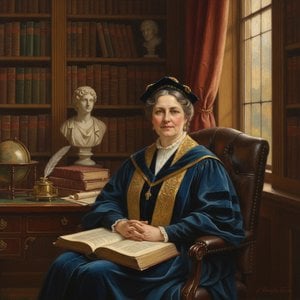
Discover the profound beauty of Academic Portraiture. Explore how classical realism captures prestige through meticulous technique, anatomical truth, and timeless elegance—perfect for discerning collectors seeking museum-quality mastery and historical grandeur.

Explore the clinical precision of German New Objectivity through masters like Otto Dix. Discover the truth behind the Weimar era's raw realism.

Discover the profound beauty of Classical Realism. Explore a curated guide to academic mastery, from technical precision to timeless elegance, perfect for discerning collectors seeking museum-quality excellence and bespoke artistry.

Master the art of decoding hidden symbols and visual allegories in historical masterpieces. Elevate your collection with expert insights.

Decode the profound symbolism of hands in masterworks from Van Gogh to Hindu mudras. Explore the silent language of art with our expert guide.
 Peržiūrėti realaus dydžio版

 Pasidalinti
 Dalintis
 Išsamiau
 Vadovas


 Atsisiųsti
 Panašūs eksponatai
 Rentgeno spindulių nuotrauka
 Automatinė diorama
 问答

 Statistika


 Skaityti daugiau









 Stiklo variantas prieinamas tik pasirinkus dydį iki 110 cm


