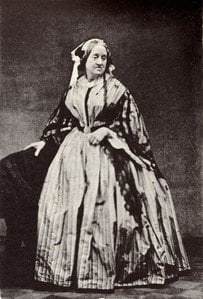
Autoriaus biografija
Fotografinės botanikos pionierė: Annos Atkins gyvenimas ir palikimas
Anna Atkins, gimusi 1799 metais Tonbridže, Kentতে, buvo asmenybė, kurios indėlis į botanikos ir fotografijos mokslą buvo neįtikėtinai iš ahead savo laiko. Jos gyvenimas vyko augančios mokslinės pažangos ir meninės inovacijos fone, tačiau ji kietai navigavo pasaulyje, kuriame moterų galimybės buvo griežtai ribotos. Ankstyva motinos praradimas suformavo itin artimą ryšį su jos tėvu, Johnu George'u Children, gerbiamu chemiku, mineralogu ir zoologu – ši ryšys tapo lemiamu jos intelektualios plėtros krypties nustatymui. Jis suteikė neįtikėtinai išsamią mokslinę edukaciją tam laikui būtai moteriai, puoselėdamas smalsumą, kuris vėliau išaugo į revoliucinius darbus. Šis pagrindas nebuvo tik akademinis; jis buvo giliai praktiškas, tiesiog įtraukiant ją į tėvo tyrimus, ypač per detalius čiršių graviravimus, naudojamus iliustruoti jo Lamarcko *Genera of Shells* vertimą. Šie ankstyvieji meniniai bandymai nebuvo tik paprasti iliustracijos; jie aštrino kruopštumą ir stebėjimo įgūdžius, kurie tapo esminiu jos vėlesnių fotografinių tyrimų pagrindu.
Cianotipio įspūdiai: Revoliucija moksliniame dokumentavime
1839 metai tapo lūžio tašku ne tik Atkins, bet ir pačios pradinės fotografijos srities plėtrai. Ji buvo išrinkta Londonos botanikos draugijos nare – tai buvo reta garbė, pabrėžianti augančią jos reputaciją mokslinėje bendruomenėje. Tuo pačiu metu ją sužavėjo revoliujinis fotografijos procesas – cianotipis, išradęs Sir John Herschel. Skirtingai nei ankstesnės metodai, cianotipis pasi offered relatively simple and accessible means of creating photographic images—a blueprint-like process using light-sensitive iron salts to produce striking blue prints. Atkins ne tik įtvėrinė šį metodą; ji jį przekūrtė į mokslinio dokumentavimo įrankį, kokio prieš tai niekada nebūvo matyta. Ji pradėjo ambicingą britiškų algų katalogizavimo projektą, supratusi, kad tradicinės rankų piešiniai dažnai nepajėgia atvaizduoti šių delikatų mėginių sudėtingų detalių. Jos sukurtas darbas, *Photographs of British Algae: Cyanotype Impressions* (1842–1853), nebuvo tik gražių vaizdų rinkinys; tai buvo istorinis pasiekimas – pirmasis knyga, iliustruota fotografijomis.
Meninė vizija ir mokslinis griežtumas
Atkins kūrybos reikšmė kertina daug daugiau nei jos istorinį „pirmaukystės“ statusą. Ji ne tiesiog *atrodė* botaninius mėginius; ji pristatė juos kaip estetinio grožio objektus, kruopščiai išdėstydama algas cianotipio popieriuje, kad sukurtų kompozicijų, kurios buvo kartu ir moksliniais tikslių, ir vizualiai įtraukiančios. Eteminiai mėlytieji tonai ir subtilūs formos sukelia stebėsenos jausmą, transformuodami mokslinį dokumentavimą į meno formą. Šis meninės vizijos ir mokslinio griežtumo derinys buvo ypatingai išskirtinis savo laikmečiu, iššūkį tekdamas įprastoms įsivaizdomėms apie ryšį tarp meno ir mokslo. Vėlesni jos darbai išsiplėtė už algų ribas, apimdamas paprotė ir kitus augalus, kaip liudija *Cyanotypes of British and Foreign Plants and Ferns* (1854), dar kartą įrodant cianotipio proceso meistriškę ir atsidavimą botanikai. Bendradarbiavimas su tokiomis figūromis kaip Anne Dixon išplėtė jos menines paieškas, į vis aukštesnio sudėtingumo kompozicijas įtraukiant tokius elementus kaip gėlės, plunksnos ir nėtriniai audiniai.
Atradytas palikimas
Nepaisant savo pionieriškų indėlių, Anna Atkins kūryba XIX amžiaus pabaigoje beveik pradingo iš akirašio. Jos albumai buvo vėl atrasti Britijos muziejuje 1889 m. istorinio tyrimo paveikimu, tačiau net ir tada jos vaidmuo kaip kūrėjos liko kiek užgožtas. Tik vėlesnės mokslinės analizės leido pilnai įvertinti jos svarbę. Šiandien Atkins yra šlojama kaip vizionierė menininkė ir mokslininkė – tikra inovatore, numatžiusi daugelį būsimų fotografijos ir botaninės iliustracijos pokyčių. Jos darbai toliau įkvepia tiek menininkus, tiek mokslininkus, primindami mums stebėjimo, eksperimentavimo ir neblėstančio gamtos grožio jėgą. Tokios institucijos kaip J. Paul Getty muziejus saugo jos cianotipio pavyzdžius – *Cyanotypes of British and Foreign Ferns*, *Convalaria multiflora* ir *Adiantum tenerum, Jamaica* – kurie yra tiesioginiai jos meistriškės ir atsidavimo įrodymai. Jos palikimas yra stiprus priminimas apie tai, kad inovacijos dažnai gimsta netikėtose sankryvose – šiuo atveju, meno, mokslo ir moters nekliudomos smalsybės susilinkime.



 Peržiūrėti realybėje
 Perejti prie spausdinimo
 Pasidalinti
 Dalintis
 Išsamiau

 Atsisiųsti
 Panašūs eksponatai
 Rentgeno nuotrauka
 Automatinė diorama
 Statistika


 Skaityti daugiau






































 Stiklo variantas prieinamas tik pasirinkus dydį iki 110 cm