Andrėja Mantenja: Ankstyvojo Renesanso Skulptūriškumas ir Perspektyvos Magija
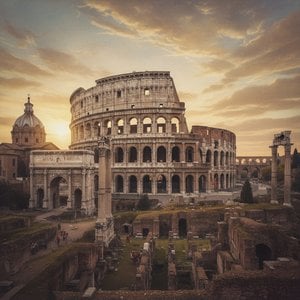
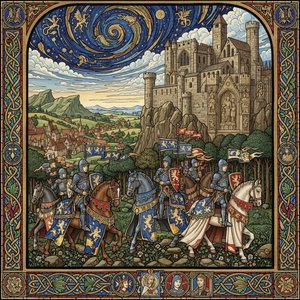
Andrėja Mantenja, gimęs 1431 metais netoli Padujos, Italijoje, yra viena iškiliausių figūrų jungiančių ankstyvąjį ir aukštąjį Renesansą. Jo meninis kelias nebuvo tik klasicinių formų įsisavinimas; tai buvo gilūs senovės tyrimai, aistringas bandymas atgaivinti Romos dvasios esmę besidriekiančiame Italijos Renesanse. Skirtingai nuo daugelio to laikmečio menininkų, kurie semiasi įkvėpimo iš klasicinių modelių, Mantenja pasižymėjo unikaliu pomėgiu archeologiniu tikslumu. Šis užsispyrimas kildavo iš jo ankstyvosios formavimo aplinkos Francesco Squarcione dirbtuvėje – dailininko ir kolekcionieriaus, kurio dirbtuvės veikė ne kaip tradicinė studija, o kaip akademija, skirta Romos griuvėsių, skulptūrų ir įrašų tyrimui. Būtent ten, apsuptas nykstančios imperijos fragmentų, Mantenjos meninis vizijas ėmė formuotis – viziją pasižymėtį skulptūrinėmis formomis, dramatiška perspektyva ir beveik priekaištingu dėmesiu detalėms.
Ištakos Padujoje ir Gonzaga Dvare: Iluzijos Simfonija
Mantenjos karjera išaugo, kai jis įstojo į Gonzagos šeimos tarnybą Mantujoje 1488 metais tapęs jų dvaro dailininku. Šis mecenatizmas suteikė jam precedento neturėjusi laisvę ir platformą realizuoti savo ambicingiausius projektus. Gonzaga nebuvo tik globėjai; jie buvo bendradarbiai, užsakantys kūrinius, kurie stūmė meno inovacijų ribas. Būtent šiuo laikotarpiu Mantenja sukūrė tai, kas turbūt yra jo meistrinis darbas: *Camera degli Sposi* (Vestuvių Kameros) freskos Palazzo Ducale rūmuose. Šis revoliucinis kūrinys pranoksta paprastą dekoraciją; tai yra visiškai iliuzinė aplinka, sklandžiai integruojanti architektūrą ir tapybą sukuriant išplėstinės erdvės pojūtį. Freskos vaizduoja Gonzaga šeimos gyvenimo scenas, nuostabiai realistiškus portretus ir kvapą atimančią *di sotto in sù* (iš apačios į viršų) lubų panelę, kuri sukuria atviro dangaus iliuziją. Šis meistriškas perspektyvos manipuliavimas nebuvo tik technikos klausimas; tai buvo bandymas sukurti pasaulį patalpoje, neryškinti ribos tarp realybės ir reprezentacijos. Be *Camera degli Sposi*, Mantenja toliau kūrė išskirtinės kokybės darbus Gonzaga dvarui, įskaitant monumentalųjį seriją *Triumphs of Caesar*. Šie paveikslai, įkvėpti Romos triumfo procesijų, nėra tik istorinis vaizdavimas; tai yra sudėtingi alegorijos, šlovinančios Gonzaga šeimos galią ir prestižą, su didybe, kuri pranoksta senovės Romos imperinių ambicijų dydį.
Perspektyvos Virtuoziškumas ir Anatomijos Tikslumas
Mantenjos meninės inovacijos driekiasi toliau nei iliuziniai aplinka. Jis buvo perspektyvos pradininkas, dažnai taikydamas tokias technikas, kurios prieštarbojo įprastiems metodams, kad pasiektų dramatišką efektą. Dažnai jis koreguodavo horizonto liniją, sukurdamas monumentalią ir įspūdingą skalę pojūtį. Šis metodas, kartu su jo kruopščiu dėmesiu anatomijos detalėms, suteikė figūroms neprilygstamą svorio ir buvimo jausmą. Jis nesistengė tik pavaizduoti žmogaus formos; jis ją ištyrinėjo, studijavo jos raumenis ir atvaizdavo su revoliuciniu to meto tikslumu. Jo *trompe-l'oeil* meistriškumas – sukuriant iliuzijas, tokį įtikinamą, kad jos apgauna akį – dar labiau sustiprino šį efektą, neryškindamas tapybos ir realybės ribų. Šis atsidavimas anatomijos tikslumui nebuvo tik technikos pratimasis; tai atspindėjo jo gilų įsitraukimą į klasikinę skulptūrą ir norą imituoti senovės idealizuotas formas. Jis siekė ne tik pavaizduoti žmogaus kūną, bet ir sugauti jo vidinį orumą ir galią. Jo įtaka vėlesnėms kartoms menininkų, įskaitant Rafaelį ir Mikelandželą, yra neatsiejama, nes jie grindė savo darbą Mantenjos perspektyvos, anatomijos ir kompozicijos pagrindais.
Palikimas ir Nuolatinis Įtaka
Andrėja Mantenja mirė Mantujoje 1506 metais palikęs palikimą, kuris iki šiol sužadina meno istorikų ir entuziastų susidomėjimą. Jo darbas atspindi esminį posūkį Renesanso meno istorijoje, jungiantis ankstyvojo ir aukštojo Renesanso stilius. Jis nebuvo tik klasicinių formų imituotojas; jis buvo interpretatorius, pritaikęs senovės motyvus ir technikas sukurti ką nors visiškai naujo ir unikalaus.
Jo kruopštus dėmesys detalėms, perspektyvos meistriškumas ir gilus įsitraukimas į senovės pasaulį padėjo jam tapti pagrindiniu savo amžiaus veikėju. Mantenjos tyrinėjimas klasicinių temų padėjo atgaivinti susidomėjimą senovės menu ir kultūra, atverdamas kelią Aukštojo Renesanso meniniams pasiekimams. Jo įtaka galima pamatyti begalėje menininkų, kurie sekė jo pavyzdžiu, nuo Rafaelio gražių kompozicijų iki Mikelandželio galingų figūrų. Šiandien jo paveikslai yra eksponuojami didžiausiuose muziejuose visame pasaulyje, įskaitant Londono Nacionalinę galeriją ir Breros Pinacoteca Milane, kur jie toliau sukelia nuostabą ir gerbėjus.
- Jo inovatyvus perspektyvos naudojimas iki šiol studijuojamas menininkų ir meno istorikų.
- Jo anatomijos tikslumas išlieka realistiškos reprezentacijos etalonu.
- Jo atsidavimas klasiciniams motyvams padėjo formauti Renesanso meno eigą.
Mantenjos nuolatinis palikimas slypi ne tik jo techninėje šlovėje, bet ir jo gebėjime įkvėpti intelektualinę gilumą ir emocinį galią savo darbams, todėl jis tapo vienu svarbiausių ir įtakingiausių Italijos Renesanso menininkų.



 Peržiūrėti realybėje
 Perejti prie spausdinimo
 Pasidalinti
 Dalintis
 Išsamiau

 Atsisiųsti
 Panašūs eksponatai
 Rentgeno nuotrauka
 Automatinė diorama
 Statistika
 Skaityti daugiau






































 Stiklo variantas prieinamas tik pasirinkus dydį iki 110 cm