Peržiūrėti realybėjePeržiūrėti realybėje Peržiūrėti ARPeržiūrėti AR Perejti prie spausdinimo Perejti prie spausdinimoPirkti rankomis tapytą paveikslą Pirkti rankomis tapytą paveikslą PasidalintiPasidalinti
IšsamiauIšsamiau Pridėti į mėgstamiausius Pridėti į mėgstamiausius AtsisiųstiAtsisiųsti Panašūs eksponataiPanašūs eksponatai Rentgeno nuotraukaRentgeno nuotrauka Automatinė dioramaAutomatinė diorama StatistikaStatistika

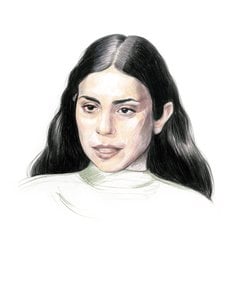
Untitled (Amategram)

Experience Ana Mendieta's evocative charcoal drawing, Untitled (Amategram), featuring stylized human forms that whisper of ritual and earth connection.

Ana Mendieta (1948-1985) was a Cuban-American artist renowned for her 'earth-body' art, powerfully exploring themes of identity, feminism, displacement & nature through performance and sculpture.

Įsigykite aukštos skiriamosios raiškos, patobulintą skaitmeninį vaizdą, gerokai pranašesnį už internetinę peržiūrą.

Kiekvieną failą mūsų specialistai kruopščiai paruošia naudojant pažangias technologijas ir profesionalų rankinį retušavimą. Užtikriname, kad kiekvienas vaizdas pasižymėtų išskirtiniu aiškumu, tikslia spalvų atspalviu ir smulkiomis detalėmis.

Baigiamas failas el. paštu pristatomas per 72 valandas; jis optimizuotas nedelsiant naudojimui profesionalioje, redakcinėje ir spausdinimo aplinkoje. Tai ta pati kokybė, kuria pasitiki aukščiausios klasės dizaino studijos, leidyklos ir galerijos.

Skaitmeninis vaizdas

Atsisiųskite didelės raiškos failą asmeniniam naudojimui, spausdinimui ir kūrybiniams projektams. (Perejti prie spausdinimo Perejti prie spausdinimoPirkti rankomis tapytą paveikslą Pirkti rankomis tapytą paveikslą)

Visų sumos kaina

$ 24,90

Kiekvieną skaitinio vaizdo užsakymą papildė

Profesionalus skaitmeninis pristatymas, garantuotas

Pasirinkę WahooArt.com, jūs ne tik gaunate paveikslėlį – jūs gaunate profesionaliai patobudintą skaitmeninį kūrinį, sukurtą itin tikniai ir užtikrinantį pasitenkinimą. Štai viską, kas automatiškai pritékia jūsų užsakymui:

shipping_icon
Greitas siuntimas el. paštu

Jūsų aukštos raiškos skaitmeninis vaizdo failas bus išsiųstas jums el. paštu per 72 valaudas nuo užsakymo – paruoštas naudojimui be jokių papildomų veiksmų.

canvas_icon
Skaitmeninis failas su dirbtiniu intelektu

Jūsų meno kūrinys profesionaliai optimizuojamas naudojant pažangius dirbtinio intelekto įrankius ir rankinį redagavimą, užtikrinant maksimalią detalę, aiškumą ir spalvų tikslumą.

insurance_icon
Nemokamas visam laikui pakartotinis siuntimas

Atsitiktinai ištrytikote ar praradote savo failą? Nebijokite – bet kuriuo metu atsiųsime jį jums vėl nemokamai.

tax_icon
Jokio importo mokesčio – niekada

Mėgaukitės savo meno kūriniu akimirka – skaitiniai failai visada yra neapmokestinami, todėl nereikės mokėti muitinės, mokesčių ar pristatymo mokesčių.

color_icon
Spalvų tikslumo garantija

Naudodami profesionalią įrangą ir spalvų valdymo sistemas, užtikriname, kad jūsų skaitmeninis vaizdas kuo tiksliau atspindėtų originalias spalvas.

return_icon
100 dienų patikimumo garantija

Jei nebuvosite patenkinti savo skaitmeniniu vaizdu, mes jį peržiūrėsime arba grąžinsime 100% sumą per 100 dienų – be jokių klausimų.

guarantee_icon
100% pinigų grąžinimo garantija

Nesitenkinate? Gaukite visą sumokėtą sumą per 100 dienų nuo skaitmeninio failo gavimo – be jokių papildomų klausimų.

discount_icon
Nuolaidos dideliems užsakymams

Pirkti 3 nuotraukas – pasiūla 10% - Pirkti 5 – pasiūla 15% - Pirkti 10 ir daugiau – pasiūla 20%. Puikiai tinka kūrybiniams projektams, galerijoms bei agentūroms.

Trumpos informacija

  • Medium: Charcoal on paper
  • Title: Untitled (Amategram)
  • Artist: Ana Mendieta
  • Year: 1983
  • Influences: Earth body performances
  • Artistic style: Expressive figuration

Karo viktorina

Kiekviename klausime yra tik vienas teisingas atsakymas.

Klausimas 1:
What is the primary artistic technique employed by Ana Mendieta in creating "Untitled (Amategram)"?
Klausimas 2:
The photograph depicts a charcoal drawing on paper titled 'Untitled (Amategram)' by Ana Mendieta. What is the dominant color palette used in the image?
Klausimas 3:
Considering Ana Mendieta's artistic practice, what themes are commonly associated with her work?
Klausimas 4:
The composition of "Untitled (Amategram)" features eight stylized human figures arranged in a grid-like format. What is the overall impression conveyed by this arrangement?
Klausimas 5:
What material was used to create the background of "Untitled (Amategram)"?

Echoes of Earth and Spirit: Exploring Ana Mendieta's Untitled (Amategram)

To stand before an image like Untitled (Amategram) is to encounter not merely charcoal on paper, but a profound dialogue between the self, the earth, and memory. Ana Mendieta’s work possesses an undeniable resonance, drawing the viewer into a space that feels both deeply personal and universally ancestral. This piece, executed in 1983, transcends simple representation; it is a ritualistic gathering of forms, rendered with the delicate yet powerful touch of charcoal. The monochromatic palette—a whisper of black against the warm, aged tan of the paper—immediately sets a tone of introspection, inviting contemplation into the quiet corners of the soul.

The Language of Form and Line

Mendieta’s technique here is masterful in its restraint. She employs loose, gestural charcoal lines that do not seek to define with photographic precision but rather suggest existence. The figures are simplified, almost primal silhouettes, arranged across the surface in a composition that feels both accidental and meticulously planned, like an unearthed pattern or a ceremonial grouping. There is a palpable sense of texture; one can almost feel the grit of the charcoal dust against the rough grain of the paper. This interplay between soft smudging and visible texture gives the work its haunting vitality. The forms themselves evoke femininity, fertility, and the enduring connection to origins—themes central to Mendieta’s lifelong artistic inquiry.

A Tapestry Woven by Exile and Return

Understanding Ana Mendieta requires acknowledging the weight of her life journey. Born in Havana, Cuba, her early life was irrevocably shaped by political upheaval and subsequent exile. This displacement—the forced separation from homeland and culture—did not break her spirit; instead, it channeled itself into an art that sought to reconnect with elemental truths: the earth, the body, the bloodline. Untitled (Amategram) speaks volumes about this journey. The 'Amategram' title hints at materials and traditions far removed from the gallery wall, grounding the ethereal figures in a tangible, cultural memory. It is an art born of necessity, a visual testament to survival.

Symbolism and Emotional Resonance for Your Space

For those considering bringing this powerful aesthetic into a curated interior or collection, the emotional impact is paramount. This piece does not shout; it murmurs secrets. Its mystery lends itself beautifully to spaces that value depth over flash—a sophisticated study, an intimate lounge, or a gallery wall requiring intellectual weight. The composition’s grid-like yet organic arrangement suggests community and collective identity, offering a focal point that encourages conversation. Reproducing this work allows one to harness its quiet power, transforming a mere decorative element into a profound meditation piece.

Acquiring the Echo: Reproduction Details

This reproduction captures the essence of Mendieta’s original charcoal drawing on paper, scaled here to 30 x 40 cm. By choosing this high-quality print, you are acquiring more than just an image; you are curating a piece of art history that speaks eloquently of resilience. The soft, diffused lighting captured in the reproduction maintains the work's atmospheric quality, ensuring that even when viewed from a distance, the subtle interplay between charcoal and tan background remains captivating.


Autoriaus biografija

A Life Intertwined with Earth and Spirit

Ana Mendieta, born in Havana, Cuba, in 1948, was an artist whose work remains profoundly resonant decades after her untimely death. Her story is one of exile, displacement, and a fierce determination to reconnect with ancestral roots through art. The daughter of a prominent Cuban family – her father an attorney linked to former president Carlos Mendieta, her mother a chemist – young Ana’s life was irrevocably altered by the political upheaval following Castro's revolution. At just twelve years old, she was sent unaccompanied to Dubuque, Iowa, as part of Operation Peter Pan, a mass exodus of children fleeing the new regime. This separation from family and homeland became a defining trauma, deeply influencing her artistic trajectory. The initial years in America were marked by hardship: navigating language barriers, adjusting to foster homes, and grappling with a sense of profound cultural alienation. It wasn’t until 1966 that she was reunited with her mother and brother, followed later by her father after his release from a Cuban prison in 1979. This experience of being uprooted and searching for belonging would become central to the themes explored throughout her oeuvre.

Forging an Earth-Body Dialogue

Mendieta’s artistic education began at the University of Iowa, where she earned both a Bachelor's and Master's degree in painting. However, it was within the progressive Intermedia program that her unique vision truly blossomed. Influenced by contemporaries like Vito Acconci and Lynda Benglis, she moved beyond traditional mediums to embrace performance, sculpture, film, and photography – all unified by a radical concept: an intimate dialogue between the human body and the natural world. This led to the development of what became known as her “earth-body” works, a series of ephemeral interventions where she imprinted her form onto landscapes, using earth, water, fire, and even her own blood as artistic materials. The *Silueta Series*, begun in 1973 and comprising over 200 works, is perhaps her most iconic achievement. These weren’t simply self-portraits; they were acts of spiritual communion, attempts to reclaim a lost connection to the earth and to ancestral feminine forces. She wasn't merely *in* the landscape, she sought to *become* part of it, dissolving boundaries between self and environment. The silhouettes, often created through casting her body in clay or creating voids in the earth, evoke ancient rituals and primal energies.

Themes of Feminism, Identity, and Displacement

Mendieta’s art is deeply imbued with feminist concerns, addressing issues of violence against women and exploring the female experience from a uniquely personal and political perspective. Her work often alludes to the historical silencing and erasure of women, particularly within patriarchal structures. The use of her own body as both subject and medium was a powerful act of reclaiming agency and challenging conventional representations of femininity. Beyond feminism, Mendieta’s art grapples with the complexities of cultural identity and displacement. As a Cuban-American artist navigating two worlds, she explored themes of exile, longing, and the search for belonging. Her connection to Afro-Cuban Santería traditions also played a significant role, informing her use of natural symbols and ritualistic gestures. The earth itself became a repository of memory, a space where she could reconnect with her heritage and heal from the trauma of displacement. She wasn’t simply documenting landscapes; she was enacting a form of spiritual archaeology, excavating layers of personal and collective history.

Recognition and a Tragic Legacy

Throughout her career, Ana Mendieta received numerous accolades, including National Endowment for the Arts grants, a John Simon Guggenheim Fellowship, and a Rome Prize. Her work was exhibited internationally, gaining recognition at prestigious institutions like the New Museum of Contemporary Art and the Hirshhorn Museum. Posthumously, she received the Visual Arts Lifetime Achievement Award from The Cintas Foundation in 2009, solidifying her place as a pivotal figure in post-World War II art. Her influence on contemporary artists is undeniable, inspiring generations to explore the body, nature, and identity in innovative ways. However, Mendieta’s life was tragically cut short in 1985 when she fell from her apartment window in New York City. The circumstances surrounding her death remain deeply controversial, with accusations leveled against her husband, minimalist sculptor Carl Andre. The ensuing legal proceedings and ongoing debate have cast a long shadow over her legacy, raising complex questions about artistic relationships, domestic violence, and accountability. Despite the pain and controversy surrounding her passing, Ana Mendieta’s art continues to resonate powerfully, reminding us of the enduring human need for connection – to ourselves, to our ancestors, and to the earth that sustains us. Her work stands as a testament to the transformative power of art and its ability to heal, empower, and challenge the status quo.

Enduring Influence

  • Pioneering Performance Art: Mendieta’s use of her body as both subject and medium broke new ground in performance art, influencing subsequent generations of artists.
  • Feminist Iconography: Her exploration of female identity, violence against women, and the reclamation of the feminine form remains profoundly relevant today.
  • Environmental Consciousness: Mendieta’s deep connection to nature and her emphasis on ecological themes anticipate contemporary concerns about environmental sustainability.
  • Cultural Hybridity: As a Cuban-American artist, she challenged conventional notions of identity and belonging, paving the way for greater inclusivity in the art world.
  • A Lasting Symbolism: The *Silueta Series* continues to captivate audiences with its haunting beauty and powerful symbolism, serving as a reminder of our interconnectedness with the natural world.

Ana Mendieta

Ana Mendieta

1948 - 1985