A Pioneer of Orientalist Visions: The Life and Art of Alexandre Gabriel Decamps
Alexandre Gabriel Decamps, vardas skambantis ryškiomis egzotiškų kraštovaizdžių spalvomis ir dramatišku romantizmo dvelksmu, iškilo kaip svarbiausia XIX amžiaus prancūzų tapybos figūra. Gimęs Paryžiuje 1803 metų kovo 3 dieną, jo artistinė kelionė buvo drąsi inovacija, paneigusi akademinius kanonus ir nubrėžusi kelią į tai, kas vėliau žinoma kaip Orientalizmas. Nors jo bendraamžiai Delacroix ir Ingres taip pat užėmė reikšmingas pozicijas prancūzų meno pasaulyje, Decamps išsiskyrė intensyviu asmeniniu stiliumi – kruopštaus stebėjimo, dramatiškos kompozicijos ir įtraukiančios naratyvinės kokybės derinys, kuris žiūrėtojus patraukdavo į pažįstamus ir visiškai svetimus pasaulius. Ankstyvas pripažinimas kaip talentingam menininkui pranašavo karjerą, paženklintą kritikos pagyrimais, kulminuojančią didžiuoju tarybos medaliu 1855 metų Paryžiaus parodoje – tai liudijimas apie jo išskirtinį įgūdį ir unikalų vizionierystę. Be drobės, Decamps buvo žmogus, giliai susijęs su gamta, radęs ramybę ir įkvėpimą kaimo vietovėje aplink Paryžių, kur mėgavosi gyvūnais ir lauko sportu – pomėgiu, kuris subtiliai persiskyrė daugelyje jo meno darbų.
From Scripture to the Sahara: The Evolution of an Artistic Style
Decamps’ artistinė plėtra pasižymėjo noru tyrinėti įvairius objektus ir technikas. Pradžioje patrauktas istorinių ir bibliškų scenų, jis greitai išsiskyrė vaizduodamas šias naratyvus precedento neturintiu realizmu – pagrindęs jas autentiškose vietinėse aplinkose, o ne remdamasis idealizuotomis ar konvencionaliais atvaizdais. Šis įsipareigojimas tikroviškumui kilo iš jo kelionių į Rytus, patirties, kuri turėjo gilų poveikį jo artistinei jautrumui. Jis ne tik vaizdavo tai, ką matė; jis perteikė atmosferos jausmą, šviesą ir tolimų žemių esmę. Pavyzdžiui,
Joseph Sold by His Brethren nėra tiesiog bibliškos istorijos iliustracija, o gyvas tam tikro laiko ir vietos portretas, kupinas emocinio gilumo ir psichologinės įžvalgos. Šis požiūris išplėtėsi iki jo didesnių istorinių darbų, tokių kaip
The Defeat of the Cimbri, kur jis meistriškai užfiksavo mūšio chaosą ir brutalumą, pademonstruodamas savo gebėjimą valdyti didelio masto kompozicijas su dinamiška energija. Tačiau būtent jo rytietiško gyvenimo vaizdai išties jį atskyrė. Jis atskleidė kasdienines scenas – rinkas, mokyklas, namų interjerus – ištikimai, o tai iš pradžių glūdino kritikus, įpratusius prie romantiškesnių ar stereotipinių vaizdų.
The Father of Orientalism and His Lasting Influence
Decamps teisėtai laikomas prancūzų tapybos Orientalizmo tėvu. Prieš jį rytietiško gyvenimo vaizdai dažnai buvo filtruojami per fantazijos ir egzotikos prizmę. Jis pristatė kitokią viziją – įsišaknijusią tiesioginėje stebėjime ir nuoširdžiame smalsume. Jo 1831 metų Salono paroda buvo lūžio taškas, pristatydamas Paryžiaus publikai neapdorotą žvilgsnį į Šiaurės Afrikos ir Artimųjų Rytų gyvenimą. Šis novatoriškas požiūris rezonavo su menininkais ir rašytojais, įkvėpdamas Orientalistinių darbų bangą, kuri dominavo didžiojoje XIX amžiaus meno dalyje. Jo stilius – pasižymintis drąsiais potepiais, ryškiais šviesos ir šešėlio kontrastais bei apčiuopiamu atmosferos jausmu – tapo etalonu kartoms ištikimų dailininkų, fotografų ir autorių.
Maxime du Camp garsiai pavadino jį „Rytų Kristoforu Kolumbu“, pripažindamas jo pradininką atveriant naują artistinę teritoriją.
The Albanian Dancer, su savo ryškiomis spalvomis ir energinga kompozicija, pavyzdžioja jo gebėjimą užfiksuoti kultūros dvasią, išlaikant aiškų prancūzišką estetinį jautrumą. Net satyriniai darbai, tokie kaip
The Monkey Connoisseurs, žaismingas pasityčiojimas iš konservatyvaus Académie des Beaux-Arts žiuri, demonstruoja jo norą mesti iššūkį įsitvirtinusioms normoms ir priimti nepriklausomesnę artistinę viziją.
A Tragic End and an Enduring Legacy
Tragiškai Decamps’ gyvenimas buvo nutrauktas rugpjūčio 22 dieną, 1860 metais, jam sulaukus 57 metų, po medžioklės nelaimingo atsitikimo netoli Fontenblo. Jo ankstyva mirtis apirobė meno pasaulį tikrai novatoriškam talentui, tačiau jo palikimas tebevyksta per jo įtraukiančius paveikslus ir jų ilgalaikį patrauklumą. Šiandien tokie šedevrai kaip
Incendie d'un village italien, su savo dramatišku konflikto vaizdavimu ir meistrišku impasto naudojimu, ir
A Bedouin and a Camel Resting in a Desert, demonstruojantys tekstūras ir dykumos gyvenimo ramybę, yra švenčiami dėl savo artistinės vertės ir istorinės reikšmės. Jo darbai galima rasti prestižinėse institucijose, tokiose kaip Musée du Louvre Paryžiuje, užtikrinant, kad jo vizija toliau įkvėptų ir stebintų publiką visame pasaulyje. Tokios platformos kaip WahooArt.com atlieka gyvybiškai svarbų vaidmenį saugant ir platinant jo meną, siūlant aukštos kokybės reprodukcijas, leidžiančias gerbėjams patirti Decamps’ paveikslų grožį ir galią iš pirmų rankų. Jo įtaka apima tapybos sritį, formuoja rytietiškų vaizdų suvokimą ir palieka neištrinamą pėdsaką XIX amžiaus Europos kultūriniame kraštovaizdyje.
Exploring Decamps' World: Notable Works
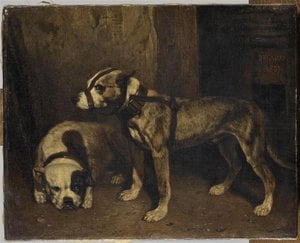
- CHIENS BRIFAUTS: Žavinga Orientalistinė scena, vaizduojanti šunis ryškioje aplinkoje.
- LA COUR DE FERME: Įtraukus XIX amžiaus paveikslas, apjungiantis prancūzišką romantizmą su istoriniais duomenimis.
- L’ÉCOLE TURQUE: Gyvybingas turkų mokyklos vaizdavimas, užfiksuojantis kasdienio gyvenimo energiją ir atmosferą.
- PAYSAGE TURC: Ramus kraštovaizdis, tyrinėjantis realizmą ir romantizmą prancūziškoje aplinkoje.



 Peržiūrėti realybėje
 Perejti prie spausdinimo
 Pasidalinti
 Dalintis
 Išsamiau

 Atsisiųsti
 Panašūs eksponatai
 Rentgeno nuotrauka
 Automatinė diorama
 Statistika

 Skaityti daugiau