NEMOKAMA MENO KONSULTACIJA

x
Pirkti atspaudą Pirkti atspaudąPirkti skaitmeninį paveikslą Pirkti skaitmeninį paveikslą PasidalintiPasidalinti
IšsamiauIšsamiau Pridėti į mėgstamiausius Pridėti į mėgstamiausius AtsisiųstiAtsisiųsti Panašūs eksponataiPanašūs eksponatai RentgenogramąRentgenogramą Automatinė dioramaAutomatinė diorama

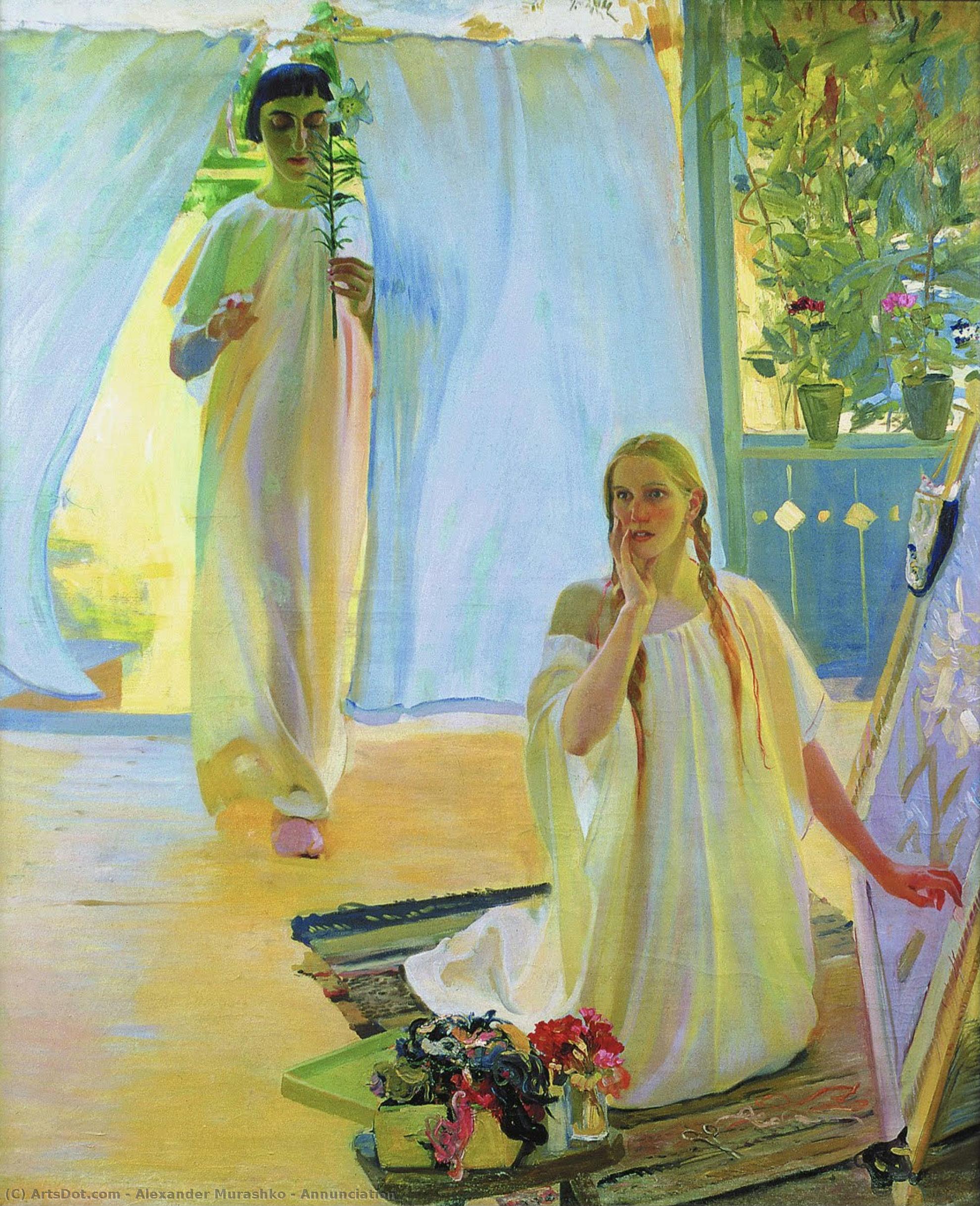
Annunciation

Discover Alexander Murashko, a Ukrainian painter famed for his expressive portraits & impactful artwork. Explore his legacy at the Lugansk Regional Art Museum.

Rankų darbo aliejinės reprodukcijos

Rankiniu būdu tapytas aliejus ant droblio jūsų pageidaujamame dydį ir rėmuose – mūsų menininkų darbas pagal užsakymą.

Standard
custom
CM
INCH

Pasirinkite iš mūsų nustatytų dydžių, atitinkančių originalaus meno kūrinio proporcijas.

plotis
aukštis

Galite įvesti savo matmenis, kad jie atitiktų konkretų rėmą ar erdvę. Jei pasirinktas dydis neatitinka originalaus paveikslėlio proporcijų, mes arba apkropsime meno kūrinį, arba papildysime tapybą rankomis dažytい elementais. Prieš pradėdami gamybą, jūsų patvirtinimui atsiųsime skaitmeninį maketą.
Atkreipkite dėmesį, kad ekrane rodomas vaizdas neatspindi tikrojo apkarpymo ar papildymo. Tik maketas tiksliai parodys galutinę kompoziciją.
Nors galima rinktis ir individualius dydžius, rekomenduojame pasirinkti matmenis iš nustatytos sąrašo, kad būtų išlaikytos originalios proporcijos.

Ką galima pakeisti (pavyzdžiai): Pakeisti veidą į kliento nuotrauką; Pridėti augintinį (pvz., pakeisti katę šunimi); Įtraukti paslėptą žinutę fone; Pakeisti fono kraštovaizdį ar elementus.
Gavus užsakymą, WahooArt.com komanda susisieks su klientu el. paštu dėl instrukcijų ir pateiks maketo pavyzdį.

Pristatymas visame pasaulyje () per 3–4 savaites, o ne įprastai – per 5 savaites. (2 liepa). Kokybė lieka nepakeičiama.

why_choose_icon
Nemokamas greitasis pristatymas visame pasaulyje
why_choose_icon
Aukštos kokybės lininis drobė
why_choose_icon
Pilnas siuntimo draudimas
why_choose_icon
Muitinės mokesčių grąžinimo garantija
why_choose_icon
Tikro spalvų atitikimo garantija
why_choose_icon
60 dienų grąžinimo politika (tik esant gamyklinėms defektams)
why_choose_icon
100% pinigų grąžinimo garantija
why_choose_icon
Nuolaida už kelias reprodukcijas

Visų darbų kaina

-

reproduction

Annunciation

Reprodukcijos technika

Reprodukcijos matmenys

-

Galutinė kaina

-


Autoriaus biografija

Jean-Baptiste-Camille Corot: Bridging Realism and Impressionism

Jean-Baptiste-Camille Corot, born in Paris on July 16, 1796, stands as a pivotal figure in the transition between Neoclassicism and the burgeoning world of Impressionism. More than simply a landscape painter, Corot was a master of atmosphere, light, and color—a revolutionary who subtly yet profoundly shaped the course of modern art. His life, marked by both privilege and hardship, provided him with unique opportunities to observe and capture the essence of the French countryside, ultimately forging a style that remains deeply admired for its quiet beauty and evocative power.

Corot’s early years were remarkably comfortable. Born into a bourgeois family—his father a wig maker and his mother a milliner—he received a solid education, including a scholarship to Lycée Pierre-Corneille in Rouen. However, he eschewed the traditional path of formal training, finding it restrictive. Instead, he apprenticed briefly with Achille Etna Michallon, a landscape painter known for his meticulous detail, and later with Jean-Victor Bertin, a student of Pierre-Henri de Valenciennes, both established figures in the Parisian art scene. These early influences provided him with foundational skills but it was Corot’s independent exploration that truly defined his artistic vision.

A significant turning point came in 1825 when he embarked on a transformative journey to Italy. This sojourn wasn't merely a vacation; it was a deliberate immersion into the landscapes and techniques of the Old Masters, particularly those of the Venetian School. He spent years studying the effects of light and color in the Italian countryside, absorbing the atmospheric perspective and tonal harmonies that would later become hallmarks of his work. Returning to Paris in 1827, he began exhibiting his Italian sketches, characterized by their loose brushwork and vibrant colors—a departure from the polished surfaces favored by many of his contemporaries. These early works demonstrated a nascent interest in capturing fleeting moments and atmospheric effects, foreshadowing the Impressionist movement.

The Pursuit of Light and Atmosphere

Corot’s artistic philosophy centered on the observation and representation of nature—not as static subjects to be meticulously rendered, but as dynamic forces constantly shifting with light and weather. He famously declared that he “painted what I saw, not what I thought I should see.” This commitment to direct observation led him to embrace the *plein-air* method – painting outdoors directly from nature. Unlike many of his contemporaries who worked primarily in the studio, Corot sought to capture the immediacy and spontaneity of the natural world.

His technique evolved over time. Initially, his paintings were characterized by crisp outlines and bright colors, reminiscent of his Italian studies. However, as he matured, he gradually softened his brushstrokes, diluted his pigments, and employed a wider range of tones to create atmospheric depth and subtle gradations of light. He was particularly adept at depicting the effects of mist, fog, and twilight, imbuing his landscapes with an ethereal quality. His use of color became increasingly muted and harmonious, reflecting his belief that beauty lies not in dramatic contrasts but in delicate nuances.

Subjects and Influences

While primarily a landscape painter, Corot’s subject matter was remarkably diverse. He painted scenes of rural life—peasants working the land, shepherds tending their flocks, and families gathering for meals—often imbued with a sense of melancholy or quiet dignity. These figures were rarely depicted in grand narratives but rather as integral parts of the landscape, reflecting his belief that humans are ultimately part of nature.

Corot’s work was profoundly influenced by several sources. The Barbizon School, a group of artists who sought to paint directly from nature in the forests surrounding Paris, exerted a significant impact on him. He admired the Barbizon painters' commitment to capturing the textures and colors of the French countryside. Furthermore, he drew inspiration from the works of earlier masters such as Claude Lorrain and Gaspard Poussin, whose use of light and color he studied with great care. However, Corot ultimately forged his own unique style—a synthesis of observation, technique, and personal vision.

Legacy and Impact

Despite facing periods of financial hardship and struggling to gain recognition during his lifetime, Jean-Baptiste-Camille Corot’s influence on subsequent generations of artists is undeniable. His pioneering use of *plein-air* painting and his emphasis on atmospheric effects paved the way for the Impressionists—artists such as Monet, Renoir, and Pissarro—who built upon his innovations to create a new language of light and color.

Corot’s legacy extends beyond his direct influence on Impressionism. His paintings continue to be admired for their quiet beauty, evocative power, and profound understanding of the natural world. He demonstrated that landscape painting could be more than mere decoration—it could be a vehicle for exploring fundamental questions about human existence and our relationship with nature. He died in Paris on February 22, 1875, leaving behind a vast body of work that remains a testament to his artistic vision and enduring contribution to the history of art.

alexander murashko

alexander murashko

1875 - 1919 , Ukraine

Trumpa informacija

  • Artistic Movement Or Style: Realism, Landscape
  • Artists Or Movements Influenced By This Artist: ['Impressionism']
  • Artists Who Influenced This Artist:
    • Michallon
    • Bertin
  • Date Of Birth: 1796-07-16
  • Date Of Death: 1875-02-22
  • Full Name: Jean-Baptiste-Camille Corot
  • Nationality: French
  • Notable Artworks:
    • Views at Narni
    • Roman Campagna
  • Place Of Birth: Paris, France