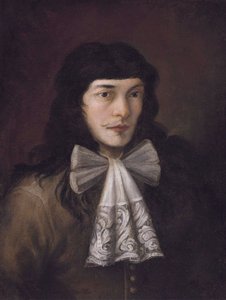
Autoriaus biografija
Gyvenamas gyvenimas: Alessandro Magnasco misterinis pasaulis
Alessandro Magnasco, vardas, galbūt mažiau žinomas nei jo baroko bendraštakos, vis tiek užima unikalią ir įkvepiančią vietą itališkos meno istorijoje. Gimęs Genoje 1667 m., jis didelę dalį savo darbo gyvenimo išsantė Milane, grįždamas į gimtinę miestą tik per savo karjeros pabaigą, 1735 m. Šis geografinis pokyčio atspindi subtilų, tačiau reikšmingą jo meninio vizijos evoliaciją – kelionę nuo bendradarbiavimo projektų ir įprastų tradicijų towards itin asmenišku ir dažnai neapšvietimu stiliumi. Magnasco neįkrodė tik to, ką matė; jis perveržė tam tikrą nuojžnaudės jausmą, melankoliją ir sapmėjimą ant kanavės su drąsza, kuri išskirtino jį. Periodas tarp 1703 ir 1709 metų buvo Milane, dirbdamas didžiulio herturgo Cosimo III namuose – patirtis, kuri neabejotinai išplėjo jo meninį akimirkį, nors jos tiesioginis poveikis jo paaugitusiam stiliui vis dar yra interpretacijoms atviras. Karjeros pradžioje jis dažnai dirbo kartu su kitais menininkais, įgalią pagrindė figūras Giovanni Battista Tavella pejzažuose ir naudojdamasis Clemente Spera išdėstytomis architektūros niuardomis – bendradarbiavimai, kurie pašvietė jo techninius įgūdžius, tačiau paminėjo augančią nepriklausomybę.
Neįprastas vizorius: stilius ir tema
Magnasco meninis ženlas yra jo išskirtinis požiūris tiek į dydį, tiek į spalvų paletę. Jis mėgė mažosios matos kanavės, dažnai naudojant hipokromatinio subtilių spalvų diapazoną – pilkelius, audregius, oḥro spalvas – kurie prisidėję prie jo darbo apgaubos atmosferos. Tai nėra vaizdai, kurie skelpianti dėmesį; jie šūpšcia paslaptis iš silviu apšviestų kampų. Jo scenos dažnai sukuria niuardas, miškiningi pejzažai, uždengti malona, ar tvarkingai užsiekti interjeras, populiuojami išpatvinti figūromis, įsvaikuotais nervingos, šviesklingos dirba. Tai yra šios figūros – dažnai išpaukštė begardžiai, vienišie monšėliai ar šešėlio grupės, užsiėmusi misteriais veiksmais – kurios tikrai apibrėžia jo kūrinį. Magnasco temų pasirinkimas buvo ypač nekonvencionalus savo laikotarpiui. Jis nesikautos pavaizduoti scenų, laikomų marginalių ar net tabu: sinagogos ceremonijos, kvakerių susitikimai, grobių rinkiminiai, Inkvizicijos apklausos ir katastrofų pavaizdavimas. Menininko ketinimai išlieka neapibrėžti; ar tai buvo socialinio komentaro išraiškos, religinės tolerancijos (arba net intolerancijos) tyrimai, ar tiesiog pratimai užfiksuoti tam tikrą nuojžnaudės jausmą? Šis neapibrėžumas yra tiksliai tai, kas daro jo darbą taip įkvepiančiu. Vėliau savo karjéroje, po 1710 m., jis pasipožino dėl gotikos bažnyčių, vienišų eremitų ir monšėlių, neapšvietimu miestelių aikštėse subėgusių pažeidžių ir soldatų karakučioje – scenos, kurios dar labiau patvirtino jo reputaciją kaip menininko, pritraukiamojo dėmesį į bendrovės kraštus.
Influencijos ir meninis vystymasis
Nurodyti tikslias influencijas Magnasco meninio vystymui yra sudėtinga užduotis. Jis aiškiai įsižvilpavo elementus iš įvairių šaltinių, tačiau juos sintezavo į visiškai originalią sąjungą. Jo venetiškojo bendraštakos Sebastiano Ricci laisvas povaizdinis stilius neabejotinai pasigravo, nors Ricci darbas tendenciuoja prie didesnių matų ir labiau atvirai mitologinių temų. Žemėjeji menininkai Domenico Piola ir Gregorio de Ferrari pasiūlė stilių precedentas, tačiau Magnasco vizija buvo daug tamsesnė ir introspektyvesnė. Milaniečio menininko Il Morazzone emocinė intensyvumas taip pat atspindėjo joje, ypač dėl jo gebėjimo išreiksviu dirbiniu įvaizdžiu передаti psichologinę gylę. Jo jūros pejzažai rodo afinitetą prie romantinių aprašymų apie smaglius jūras ir banditus, mėgstamų Salvatore Rosa, o jo figūrų mažas dydis santūryje su dideliais pejzažais atspindi Claude Lorraine šviesūs kompozicijos. Atlikė comparažonai su Giuseppe Maria Crespi genre scenomis, kuriose aptikiami begardžiai, nors Crespi figūros paprastai yra išsamesnės ir individualizuotos. Kai kurie akademikai net siūlo, kad Magnasco galėjo įvaizdinti patį Crespi. Be to, menininkas tikėtinai buvo paveiktas vėlesnio baroko itališkais genre menininkais, romuvių Bamboccianti ir Jacques Callot išsamiais graviriuose.
Palėjimas ir istorinė reikšmė
Alessandro Magnasco stilius žavėjo didelį kontrastą su pagrindinėmis meno normomis Genoje, kurios pabrėžė poliruotas paviršius ir harmoninį spalvų maišymą. Jo drąsus požiūris ir unikali vizija nebuvo iškart įvertinti jo gimtinėje miesto, bet pasipožino gerbę kituose vietose, ypač Milano aristokratiškose apilacjach. Rudolf Wittkower garsiai apibūdino jį kaip „vienišą, įtanoją, strangų“ menininką, atskirtą nuo didelės venetiško szkoły. Neskyrimo iš pradžių, Magnasco darbas pasikėrė subtiliu, tačiau reikšmingu poveikiu ateities kartoms menininkams, įskaitant Marco Ricci, Giuseppe Bazzani, Francesco Maffei ir garsius venetiškus menininkus Gianantonio ir Francesco Guardi. Nors šie vėlesni Rokoko menininkai priima jo laisvą dirbinius įvaizdžį dekoratyvims tikslams, pats Magnasco jį naudojo, kad užfiksuotų nuojžnaudės jausmą, realumą ir psichologinį neapšvietimą. Jo pavaizdavimai apie tortūras ir žmogaus kitus tamsius aspektus buvo palyginti net su socialiniu komentaru, pasirodžiusiu Francisco Goya XIX amžiaus graviuose – tai patvirtinimas jo neapšvietimo vizijos ilgalaikio galios ir aktualumo. Magnasco išlieka misterinis figūras, nuojžnaudės jausmo ir atmosferos meistras, kurio vaizdai toliau įkvepia ir skatina apmąstyti šią laiką po jų kūrimo. Jo menas priminimas, kad grožis gali būti rasitus net šešėlyse, o kad tikras meninis išraiška dažnai yra už konvencijų ribų.



 Peržiūrėti realybėje
 Perejti prie spausdinimo
 Pasidalinti
 Dalintis
 Išsamiau

 Atsisiųsti
 Panašūs eksponatai
 Rentgeno nuotrauka
 Automatinė diorama
 Statistika


 Skaityti daugiau