


Muziejų lygio „giclée“ arba drobos spausdinimas: greita gamyba ir lankstios apdailos parinktys. ( Pirkti rankomis tapytą paveikslą Pirkti vaizdą)





























Pasirinkite iš mūsų nustatytų dydžių, atitinkančių originalaus meno kūrinio proporcijas.

Galite nurodyti savo matmenis, kad vaizdas atitiktų konkretų rėmą ar erdvę. Jei pasirinktas dydis nesutaps su originalaus paveikslėlio proporcijomis, mes arba apkirpsime kūrinį, arba išplėsime vaizdą naudojant veideliu atspindėtą arba vientisą šoną. Skaitmeninis maketas bus išsiųstas jums patvirtinti prieš pradedant gamybą.
Atkreipkite dėmesį, kad ekrane matomas vaizdinys neatspindi tikrojo apkirpimo ar išplėtimo. Tik maketas tiksliai parodytų galutinę kompoziciją.
Nors galima rinktis ir individualius dydžius, rekomenduojame pasirinkti vieną iš išanksti nustatytų matmenų, kad būtų išlaikytos originalios proporcijos.
Pristatymas visame pasaulyje () per 2 weeks, o ne įprastas 4/5 savaičių laikotarpis. (7 rugsėjis)


Christ
Reprodukcijos matmenys
Albrecht Dürer’s “Christ,” a monochrome woodcut or engraving, isn’t merely a depiction of a biblical event; it’s a profound meditation on sacrifice, grief, and the enduring power of faith. Executed around 1508, this artwork, born from the heart of the Northern Renaissance in Nuremberg, possesses an arresting immediacy that draws the viewer into the solemn scene of Christ's entombment. The sheer technical mastery evident in every meticulously carved line speaks to Dürer’s unparalleled skill and his deep understanding of both artistic principles and the emotional weight of the subject matter.
Dürer's work firmly places him within the context of the Northern Renaissance, a movement characterized by its emphasis on meticulous detail, realistic representation, and a fascination with storytelling. Unlike the Italian Renaissance, which focused heavily on classical ideals and vibrant color palettes, the Northern Renaissance prioritized observation and precise execution. Dürer’s “Christ” exemplifies this approach, showcasing his profound understanding of human anatomy, perspective, and the expressive potential of line.
The scene itself is deeply rooted in Christian iconography. The entombment of Christ represents a pivotal moment in the faith – the culmination of his suffering and sacrifice. It’s a visual representation of hope amidst despair, offering a poignant reminder of humanity's capacity for compassion and redemption. Dürer’s ability to translate this complex theological narrative into a visually compelling image is a testament to his artistic genius.
Beyond its technical brilliance, “Christ” is laden with symbolic meaning. The downward movement of Christ's body – the very act of being lowered into the tomb – symbolizes his descent into death, but also foreshadows his resurrection. The surrounding figures, rendered in varying states of grief and reverence, amplify this emotional weight. Their expressions convey a profound sense of sorrow, highlighting the universal human experience of loss and mourning.
The stark monochrome palette further enhances the artwork’s emotional impact. It strips away any distractions, forcing the viewer to confront the raw reality of the scene. The shadows cast by the figures create a dramatic atmosphere, intensifying the feeling of solemnity and reverence.
Dürer's “Christ” remains a powerful testament to his artistic vision and technical skill. Its enduring appeal lies not only in its meticulous detail but also in its profound emotional resonance. A hand-painted reproduction offers an unparalleled opportunity to experience the full impact of this masterpiece, bringing its beauty and symbolism into your home or studio. This artwork is more than just an image; it’s a window into the soul of the Northern Renaissance – a period defined by innovation, artistry, and a deep engagement with the human condition.


1471 - 1528 , Italija

Master the nuances of Giclée printing with our expert guide. Discover how pigment-based inks and museum-grade substrates create fade-resistant, high-fidelity art reproductions designed for discerning collectors seeking unparalleled quality and longevity.
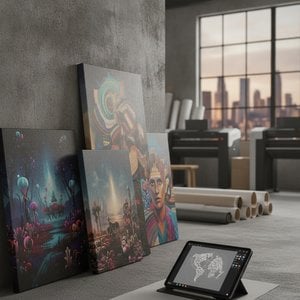
Atraskite aukščiausios kokybės giclée spaudimo meną. WahooArt siūlo profesionalią pigmentinę spaudą, užtikrinančią archivalinį ilgaamžiškumą ir nepriekaištingą spalvų tikslybę visame pasaulyje. Transformuokite savo kūrybą į aukščiausios klasės meno paveldą jau šiandien.

 Peržiūrėti realybėje
 Pasidalinti
 Dalintis
 Išsamiau

 Atsisiųsti
 Panašūs eksponatai
 Rentgeno nuotrauka
 Automatinė diorama

 Skaityti daugiau







 Stiklo variantas prieinamas tik pasirinkus dydį iki 110 cm


