


 EngravingWallArtNorthern Renaissance
 1526
1526 288.0 x 211.0 cm
 Condé muziejus
Muziejų lygio „giclée“ arba drobos spausdinimas: greita gamyba ir lankstios apdailos parinktys. ( Pirkti rankomis tapytą paveikslą Pirkti vaizdą)





























Pasirinkite iš mūsų nustatytų dydžių, atitinkančių originalaus meno kūrinio proporcijas.

Galite nurodyti savo matmenis, kad vaizdas atitiktų konkretų rėmą ar erdvę. Jei pasirinktas dydis nesutaps su originalaus paveikslėlio proporcijomis, mes arba apkirpsime kūrinį, arba išplėsime vaizdą naudojant veideliu atspindėtą arba vientisą šoną. Skaitmeninis maketas bus išsiųstas jums patvirtinti prieš pradedant gamybą.
Atkreipkite dėmesį, kad ekrane matomas vaizdinys neatspindi tikrojo apkirpimo ar išplėtimo. Tik maketas tiksliai parodytų galutinę kompoziciją.
Nors galima rinktis ir individualius dydžius, rekomenduojame pasirinkti vieną iš išanksti nustatytų matmenų, kad būtų išlaikytos originalios proporcijos.
Pristatymas visame pasaulyje () per 2 weeks, o ne įprastas 4/5 savaičių laikotarpis. (6 rugsėjis)


Annunciation
Reprodukcijos matmenys
Albrecht Dürer’s “Annunciation,” completed in 1526, is more than just a depiction of a pivotal biblical moment; it's a profound meditation on faith, humility, and the divine unfolding within the human realm. This engraving, rendered with meticulous detail and imbued with the characteristic qualities of Northern Renaissance art, offers a glimpse into Dürer’s artistic genius and his deep understanding of both religious symbolism and technical mastery. The work transcends its subject matter to become a testament to the power of observation, precision, and the artist's ability to capture not just likeness but also emotion and spiritual depth.
Dürer’s choice to portray the Annunciation within a richly appointed chamber immediately establishes a sense of importance and reverence. The setting isn’t a simple rustic scene; it’s a carefully constructed space, hinting at Mary's elevated status and the gravity of the announcement she receives. Architectural elements – windows framing distant landscapes, arches suggesting stability and permanence, and even a clock on the wall—ground the narrative in a recognizable, yet idealized, reality. This deliberate setting elevates the scene beyond a mere story; it’s presented as a significant event within a structured world.
The engraving itself is a marvel of technical execution. Dürer's mastery of cross-hatching—a technique involving closely spaced parallel lines to create tonal variations—is particularly evident. He uses this method with astonishing control, building up layers of shadow and depth to simulate the textures of fabric, stone, and even Mary’s skin. The fine, almost microscopic lines contribute not only to the visual richness but also to a remarkable sense of realism – one rarely achieved in earlier printmaking techniques.
Beyond its technical prowess, “Annunciation” is rich in symbolic meaning. The angel Gabriel’s gesture—a formal announcement delivered with reverence—conveys both divine authority and a sense of profound humility. Mary's expression, caught between surprise and acceptance, captures the emotional complexity of receiving such momentous news. Her posture, seated and contemplative, suggests a willingness to embrace her destiny.
The inclusion of the clock within the scene is particularly noteworthy. It serves as a reminder of the passage of time and the significance of this single moment in history—the beginning of a new era for humanity. The overall composition speaks to themes of grace, obedience, and the miraculous nature of faith.
“Annunciation” stands as a quintessential example of Northern Renaissance art, embodying the period’s emphasis on meticulous detail, realism, and intellectual rigor. Dürer's work reflects his deep engagement with classical ideals while simultaneously grounding them in the traditions of German craftsmanship. His exploration of human anatomy, perspective, and symbolism profoundly influenced generations of artists to come.
Reproductions of this iconic engraving offer a unique opportunity to experience the artistry and intellectual depth of Albrecht Dürer’s vision. WahooArt's hand-painted reproductions capture the essence of the original, allowing you to bring this masterpiece into your home or office with unparalleled fidelity and beauty.


1471 - 1528 , Italija
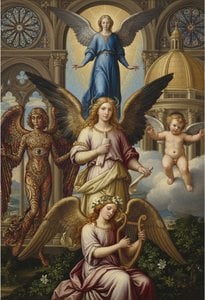
Explore the profound beauty of angelic figures in art history. From Renaissance masterpieces to celestial symbolism, our expert guide offers a sophisticated journey through the divine imagery of the Old Masters for discerning collectors and art enthusiasts.

Explore the profound mastery of engraving and intaglio printmaking. Delve into the rich history, technical precision of the burin, and the enduring legacy of fine art techniques that shaped the world's most iconic masterpieces.
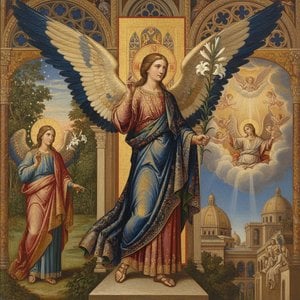
Explore the profound beauty of Angel Gabriel in art history. From Renaissance masterpieces to Baroque splendor, our expert guide delves into the sacred iconography and timeless techniques of these divine messengers for the discerning art enthusiast.

 Peržiūrėti realybėje
 Pasidalinti
 Dalintis
 Išsamiau

 Atsisiųsti
 Panašūs eksponatai
 Rentgeno nuotrauka
 Automatinė diorama
 Skaityti daugiau







 Stiklo variantas prieinamas tik pasirinkus dydį iki 110 cm


