Gaukite spausdinimui paruoštą failą, kurio kokybė gerokai viršija internetinę peržiūrą. Kiekvienas mūsų parduodamas skaitmeninis vaizdas yra ištrauktas iš aukštos raiškos pagrindinio failo mūsų duomenų bazėje — paprastai jis siekia nuo 5 000 iki 15 000 pikselių plotio — todėl galite drąsiai spausdinti didelius formatus, apkirpti vaizdą ar reprodukcija užtikrins visas smulkias detales.
Mūsų studijoje nė viena kopija nelieka neapdorota. Skaitmeninio vaizdo ekspertas, lygiu su originaliu paveikslu, patikrina spalvas ir, jei reikia, jas koreguoja, o tada profesionaliais retušavimo įrankiais padidina aiškumą bei detales — visada išlaikydamas ištikimybę autoriaus teptuko traukoms ir stiliui. Rezultatas – vaizdas, kuris atrodo kaip tikras paveikslas, o ne kaip su filtrais apdorotas skenavimas.
Patvirtinate prieš užsakymo pabaigą: mūsų ekspertas per 72 valandas el. laišku atsiųsta vaizdą jūsų peržiūrai. Nepasitenkinate rezultatu? Paprašykite patobulinimų ar pataisymų arba prašykite pinigų grąžinimo, jei kokybė neatitinka jūsų lūkesčių.
Ši kokybė yra patikima leidybos įstaigoms, dizaino studijoms, galerijoms ir spaudos įmonėms.
Atsisiųskite didelės raiškos failą asmeniniam naudojimui, spausdinimui ir kūrybiniams projektams. ( Perjungti į spausdinamus版作品 Pirkti rankų darbo tapybą)
Pasirinkę WahooArt.com, jūs ne tik gaunate paveikslėlį – jūs gaunate profesionaliai patobudintą skaitmeninį kūrinį, sukurtą itin tikniai ir užtikrinantį pasitenkinimą. Štai viską, kas automatiškai pritékia jūsų užsakymui:
Jūsų aukštos raiškos skaitmeninis vaizdo failas bus išsiųstas el. paštu per 72 valandas nuo užsakymo – jis bus paruoštas naudoti be jokių papildomų veiksmų.
Jūsų meno kūrinys profesionaliai optimizuojamas naudojant pažangius dirbtinio intelekto įrankius ir rankinį redagavimą, užtikrinant maksimalią detalę, aiškumą ir spalvų tikslumą.
Atsitiktinai ištrytikote ar praradote savo failą? Nebijokite – bet kuriuo metu atsiųsime jį jums vėl nemokamai.
Mėgaukitės savo meno kūrynu be jokių muitinės mokesčių, įkainų ar pristatymo išlaidų – skaitiniai failai visada yra neapmokestinami.
Naudodami profesionalią įrangą ir spalvų valdymo sistemas, užtikriname, kad jūsų skaitmeninis vaizdas kuo tiksliau atspindėtų originalias spalvas.
Jei nebuvosite patenkinti įsigyto skaitmeninio vaizdo, mes jį tališkai koreguosime arba grąžinsime 100% sumą per 100 dienų – be jokių klausimų.
Nesitenkinate? Gaukite visą sumokėtą sumą per 100 dienų nuo skaitmeninio failo gavimo – be jokių papildomų klausimų.
Pirkti 3 nuotraukas – 10% nuolaida – Pirkti 5 – 15% nuolaida – Pirkti 10 ir daugiau – 20% nuolaida. Puikiai tinka kūrybiniams projektams, galerijoms bei agentūroms.
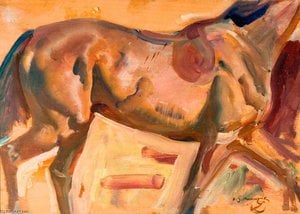
„The Soarer“ – Adrian Jones užfiksuotas kaip balanced, pasižymintis Gentle Luminance šviesos intensyvumu.
Kūrinį „The Soarer“ – Adrian Jones galima peržiūrėti kaip slaidų rulio formatą puslapyje Slaydšou.
„The Soarer“ priklauso Academic Realism krypčiai, o jo kūrėjas dirbo 19th Century laikotarpiu.

Born in the quiet landscape of Ludlow, Shropshire, on February 9, 1845, Adrian Jones possessed a spirit that was as much defined by scientific precision as it was by artistic passion. The son of James Brookholding Jones and Jane Marshall, his early years were steeped in an intense fascination with the animal kingdom, particularly the noble horse. While his father harbored reservations about a life dedicated to the arts, Jones pursued a path that would uniquely bridge the gap between science and aesthetics. By enrolling in the Royal Veterinary College in London in 1866, he secured his qualification as a veterinary surgeon, a decision that would later provide him with an unparalleled advantage in the studio. This deep, foundational knowledge of equine anatomy allowed him to perceive the subtle musculature, the tension of a tendon, and the rhythmic grace of a gallop with a clarity that few of his contemporaries could replicate.
His journey was not merely confined to the lecture halls of London; it was forged in the heat of global service. Joining the British Army as a veterinary officer in 1867, Jones’s life became an odyssey through Ireland, India, Abyssinia, Egypt, and South Africa. These years of military service instilled in him a profound sense of movement and a rugged, adventurous spirit. The diverse landscapes and cultures he encountered subtly permeated his artistic vision, lending a worldly depth to his later works. It was during this period of transition that he began to cultivate his sculptural talents, encouraged by the sculptor Charles Bell Birch. This mentorship helped transform a skilled surgeon into a rising star of the British art scene, leading to his triumphant debut at the Royal Academy in 1884 with A Hunter, one of the right sort.
As Jones transitioned from the battlefield to the studio, his reputation as a master of equestrian subjects grew with remarkable speed. His ability to capture the majesty and vitality of horses became his hallmark. In 1887, his bronze group Gone Away earned him first prize in the prestigious Goldsmiths’ Company competition, a milestone that solidified his standing among Britain's elite sculptors. His work was characterized by an extraordinary attention to detail and an ability to convey energy and motion within the stillness of bronze or the fluid strokes of oil on canvas. Whether depicting the spirited The Soarer or the joyful Merry Gal, Jones possessed a rare gift for imbuing his subjects with a sense of individual character and unbridled freedom.
His artistic repertoire extended beyond the sculptural medium into captivating paintings that are still celebrated today. In works such as Coronet, Merryman and Dewdrop, one can observe his mastery over light, shadow, and color. His paintings often feature:
The later years of Adrian Jones's life were marked by significant public contributions that moved beyond the purely aesthetic into the realm of national memory. Following the profound losses of the Boer War and World War I, Jones undertook several monumental commissions, creating war memorials that served as poignant tributes to fallen soldiers and their equine companions. These works, including his notable involvement with the Royal Marines Memorial, showcased his ability to use sculpture as a medium for collective mourning and historical preservation. His work became a permanent fixture in the British landscape, bridging the gap between private emotion and public commemoration.
By the time of his passing in 1938, Adrian Jones had left an indelible mark on the history of British art. He remains a singular figure—a man who could dissect the physical form with the precision of a surgeon and reimagine it with the soul of a poet. His legacy lives on through the countless admirers of his equine masterpieces, which continue to evoke the timeless beauty, strength, and spirit of the horse.

1845 - 1938
 Peržiūrėti realaus dydžio版
 Pasidalinti
 Dalintis
 Išsamiau
 Vadovas

 Atsisiųsti
 Panašūs eksponatai
 Rentgeno spindulių nuotrauka
 Automatinė diorama
 问答
问答
 Statistika


 Skaityti daugiau