Peržiūrėti realybėjePeržiūrėti realybėje Peržiūrėti ARPeržiūrėti AR Switch to Print Switch to PrintPirkti rankomis tapytą paveikslą Pirkti rankomis tapytą paveikslą PasidalintiPasidalinti
IšsamiauIšsamiau Pridėti į mėgstamiausius Pridėti į mėgstamiausius AtsisiųstiAtsisiųsti Panašūs eksponataiPanašūs eksponatai Rentgeno nuotraukaRentgeno nuotrauka Automatinė dioramaAutomatinė diorama StatsStats

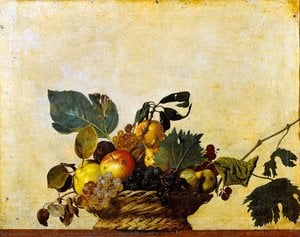
Fruit Still-Life

Experience Baroque elegance with Abraham Brueghel's vibrant fruit still life, showcasing masterful chiaroscuro and abundance; discover this timeless piece today.

Abraham Brueghel (1631-c.1690) was a Flemish Baroque painter from a renowned art family. Known for vibrant floral still lifes, fruit compositions & decorative Italianate style. Key role in Naples' still life development.

Įsigykite aukštos skiriamosios raiškos, patobulintą skaitmeninį vaizdą, gerokai pranašesnį už internetinę peržiūrą.

Kiekvieną failą mūsų specialistai kruopščiai paruošia naudojant pažangias technologijas ir profesionalų rankinį retušavimą. Užtikriname, kad kiekvienas vaizdas pasižymėtų išskirtiniu aiškumu, tikslia spalvų atspalviu ir smulkiomis detalėmis.

Baigiamas failas el. paštu pristatomas per 72 valandas; jis optimizuotas nedelsiant naudojimui profesionalioje, redakcinėje ir spausdinimo aplinkoje. Tai ta pati kokybė, kuria pasitiki aukščiausios klasės dizaino studijos, leidyklos ir galerijos.

Skaitmeninis vaizdas

Atsisiųskite didelės raiškos failą asmeniniam naudojimui, spausdinimui ir kūrybiniams projektams. (Switch to Print Switch to PrintPirkti rankomis tapytą paveikslą Pirkti rankomis tapytą paveikslą)

Visų sumos kaina

$ 24,90

Kiekvieną skaitinio vaizdo užsakymą papildė

Profesionalus skaitmeninis pristatymas, garantuotas

Pasirinkę WahooArt.com, jūs ne tik gaunate paveikslėlį – jūs gaunate profesionaliai patobudintą skaitmeninį kūrinį, sukurtą itin tikniai ir užtikrinantį pasitenkinimą. Štai viską, kas automatiškai pritékia jūsų užsakymui:

shipping_icon
Greitas siuntimas el. paštu

Jūsų aukštos raiškos skaitmeninis vaizdo failas bus išsiųstas jums el. paštu per 72 valaudas nuo užsakymo – paruoštas naudojimui be jokių papildomų veiksmų.

canvas_icon
Skaitmeninis failas su dirbtiniu intelektu

Jūsų meno kūrinys profesionaliai optimizuojamas naudojant pažangius dirbtinio intelekto įrankius ir rankinį redagavimą, užtikrinant maksimalią detalę, aiškumą ir spalvų tikslumą.

insurance_icon
Nemokamas visam laikui pakartotinis siuntimas

Atsitiktinai ištrytikote ar praradote savo failą? Nebijokite – bet kuriuo metu atsiųsime jį jums vėl nemokamai.

tax_icon
Jokio importo mokesčio – niekada

Mėgaukitės savo meno kūriniu akimirka – skaitiniai failai visada yra neapmokestinami, todėl nereikės mokėti muitinės, mokesčių ar pristatymo mokesčių.

color_icon
Spalvų tikslumo garantija

Naudodami profesionalią įrangą ir spalvų valdymo sistemas, užtikriname, kad jūsų skaitmeninis vaizdas kuo tiksliau atspindėtų originalias spalvas.

return_icon
100 dienų patikimumo garantija

Jei nebuvosite patenkinti savo skaitmeniniu vaizdu, mes jį peržiūrėsime arba grąžinsime 100% sumą per 100 dienų – be jokių klausimų.

guarantee_icon
100% pinigų grąžinimo garantija

Nesitenkinate? Gaukite visą sumokėtą sumą per 100 dienų nuo skaitmeninio failo gavimo – be jokių papildomų klausimų.

discount_icon
Nuolaidos dideliems užsakymams

Pirkti 3 nuotraukas – pasiūla 10% - Pirkti 5 – pasiūla 15% - Pirkti 10 ir daugiau – pasiūla 20%. Puikiai tinka kūrybiniams projektams, galerijoms bei agentūroms.

Trumpos informacija

  • Year: 1670
  • Artist: Abraham Brueghel
  • Notable elements or techniques: Dramatic lighting; Detailed fruit rendering
  • Movement: Baroque
  • Subject or theme: Abundance; Fruit Composition
  • Influences: Caravaggio
  • Dimensions: 60 x 73 cm

Karo viktorina

Kiekviename klausime yra tik vienas teisingas atsakymas.

Klausimas 1:
Abraham Brueghel is known for his contributions to which artistic movement?
Klausimas 2:
What prominent artist did Abraham Brueghel collaborate with frequently during his career?
Klausimas 3:
The painting depicts a scene featuring various fruits, including apples, oranges, grapes and plums. What is the overall impression created by the vibrant colors of these fruits?
Klausimas 4:
The image shows a knife alongside the fruit. What is its likely purpose within the composition?
Klausimas 5:
Abraham Brueghel’s style is characterized by a focus on landscapes and depictions of peasant life. How does this influence his artistic vision?

Abraham Brueghel’s Fruit Still Life: A Symphony of Color and Baroque Elegance

Abraham Brueghel, born in Antwerp in 1631, represents a fascinating crossroads within Flemish Baroque art. While his father, Jan Brueghel the Younger, established himself as a masterful landscape painter alongside Peter Paul Rubens—a partnership that cemented Antwerp’s reputation as an artistic powerhouse—Abraham charted a slightly different course, immersing himself in the burgeoning Italian Renaissance and subsequently finding considerable success in Naples. This journey instilled within him not only stylistic influences but also a profound understanding of how to capture fleeting beauty and convey complex emotions through meticulously crafted compositions. His ‘Fruit Still Life,’ painted circa 1670, exemplifies this artistic sensibility perfectly.

A Masterpiece Born from Observation

The painting’s subject matter—a bountiful assemblage of fruit—is deceptively simple. Apples, oranges, grapes, and plums are arranged with deliberate care within a bowl at the bottom left corner, alongside a gleaming knife resting on the right side. However, beneath this apparent tranquility lies a sophisticated artistic technique rooted in the principles of Baroque painting. Brueghel’s meticulous attention to detail—evident in the subtle variations of color and texture—demonstrates his commitment to realism while simultaneously elevating the scene beyond mere depiction. He skillfully employs chiaroscuro, utilizing dramatic contrasts between light and shadow to sculpt the forms of the fruit and create a palpable sense of depth.

The Influence of Giuseppe Ruoppolo and Caravaggio

Brueghel’s artistic development was significantly shaped by collaborations with artists like Giuseppe Ruoppolo, who embraced the darker aesthetic championed by Caravaggio. Ruoppolo's influence is particularly noticeable in Brueghel’s masterful use of tenebrismo—a technique characterized by extreme darkness punctuated by intense highlights—creating a theatrical atmosphere that draws the viewer into the scene. This stylistic approach wasn’t merely fashionable; it reflected a broader artistic trend aimed at conveying spiritual contemplation and eliciting emotional responses from the audience.

Symbolism Within Abundance

Beyond its technical prowess, ‘Fruit Still Life’ is laden with symbolic meaning. Fruit has long been associated with fertility, prosperity, and divine grace in Western art tradition. The careful placement of each fruit—the apples symbolizing knowledge and temptation, the oranges representing warmth and vitality—suggests a deliberate intention to communicate ideas beyond the visual surface. Furthermore, the knife serves as a reminder of mortality and the transient nature of earthly pleasures – a poignant counterpoint to the opulent display before us.

Decorative Potential and Emotional Resonance

Today, reproductions of Brueghel’s ‘Fruit Still Life’ offer an exceptional opportunity to bring a touch of Baroque elegance into any interior space. Its vibrant colors—particularly the reds and yellows of the fruit—create a visually stimulating effect that complements diverse design styles. More importantly, however, is its ability to evoke feelings of serenity and contemplation. Like Hieronymus Bosch's surreal landscapes, Brueghel’s work invites viewers to pause and appreciate the beauty of the natural world while simultaneously prompting reflection on deeper existential themes. It remains a testament to the enduring power of art to inspire and captivate across centuries.

Autoriaus biografija

A Scion of a Painting Dynasty: The Life and Art of Abraham Brueghel

Abraham Brueghel, born in Antwerp in 1631, emerged from one of the most celebrated artistic lineages in Flemish history. A member of the prolific Brueghel family—descending from the renowned Pieter Bruegel the Elder—he inherited a legacy steeped in landscape painting, peasant life depictions, and an acute observation of the natural world. However, Abraham’s path diverged somewhat from his ancestors, leading him towards Italy where he became a pivotal figure in the development of decorative Baroque still lifes. His story is one of artistic migration, adaptation, and ultimately, establishing a distinct voice within the vibrant Roman and Neapolitan art scenes. From an early age, Abraham demonstrated considerable promise, nurtured by his father, Jan Brueghel the Younger, a skilled painter himself and frequent collaborator with Peter Paul Rubens. Even as a teenager, his talent was recognized; one of his floral still lifes was sold when he was just fifteen years old—a testament to his burgeoning skill.

From Antwerp to Italy: A Blossoming Career

The year 1649 marked a turning point in Abraham’s life and career. At the age of eighteen, he journeyed to Sicily to fulfill a commission for Prince Antonio Ruffo—the first of many that would define his artistic trajectory. This initial foray into Italian patronage proved fruitful; within a short time, Prince Ruffo's collection boasted nine flower paintings by the young artist. A decade later, in 1659, Brueghel settled in Rome, marrying Angela Buratti and quickly becoming integrated into the city’s thriving artistic community. His acceptance into the prestigious Accademia di San Luca in 1670 solidified his standing among Roman artists, recognizing his dedication to elevating the craft of painting. He also joined the *Bentvueghels*, a society of Dutch and Flemish painters known for their convivial gatherings and adoption of playful nicknames—Abraham was christened “Rijngraaf,” or Duke of the Rhine, an aristocratic title reflecting his heritage. This period in Rome saw Brueghel’s style begin to mature, influenced by the sweeping grandeur of Italian High Baroque while retaining a distinctly Flemish sensibility for detail and decorative profusion.

Naples and the Flourishing of Still Life

Around 1672-1675, Abraham relocated once more, this time to Naples. This move proved particularly significant as he introduced the Flemish-Roman style of elaborate still life painting to a city that had previously resisted it. Before Brueghel’s arrival, Neapolitan art favored different traditions; his vibrant compositions—overflowing with southern fruits, lush flowers, and often set against dramatic landscapes—were a novelty that gradually gained acceptance and influence. He remained in Naples until his death around 1690 (though some sources suggest as late as 1697), establishing himself as a leading figure in the city’s artistic landscape. His work during this period is characterized by brighter colors, bolder brushstrokes, and an increasing emphasis on opulent arrangements—reflecting the influence of Flemish masters like Frans Snyders, Jan Fyt, and Pieter Boel who had also worked within the Italian context.

A Synthesis of Styles: Brueghel’s Artistic Legacy

Abraham Brueghel's artistic achievement lies in his masterful synthesis of Flemish meticulousness and Italian Baroque dynamism. He didn’t merely replicate existing styles; he forged a unique aesthetic that combined the decorative abundance favored by his predecessors with the dramatic movement and theatricality characteristic of his Italian contemporaries, such as Michele Pace del Campidoglio and Michelangelo Cerquozzi. His still lifes are not simply representations of objects but carefully constructed compositions—often featuring precious vases, fragments of Roman sculpture, or antique monuments—that create a sense of luxurious abundance and refined taste. He frequently collaborated with other artists, often painting the landscapes within his still life arrangements while commissioning specialists to add *staffage* – figures or animals – enhancing the narrative depth of his works. These collaborations included prominent Italian painters like Carlo Maratta, Giovanni Battista Gaulli, and Giacinto Brandi, as well as French artist Guillaume Courtois. Brueghel’s legacy extends beyond his individual paintings; he played a crucial role in popularizing the decorative still life genre in Naples, influencing subsequent generations of artists and leaving an indelible mark on the city's artistic heritage. His work continues to captivate viewers with its vibrant colors, intricate details, and harmonious blend of Flemish precision and Italian grandeur.

Abraham Brueghel

Abraham Brueghel

1631 - 1690 , Belgium

Trumpai apie šį kūrėją

  • Artistic Movement Or Style: Baroque
  • Artists Or Movements Influenced By This Artist: ['Naples still life painting']
  • Artists Who Influenced This Artist:
    • Jan Brueghel the Younger
    • Frans Snyders
    • Jan Fyt
  • Date Of Birth: 1631
  • Date Of Death: c. 1690
  • Full Name: Abraham Brueghel
  • Nationality: Flemish
  • Notable Artworks:
    • Bunches of Grapes...
    • Landscape with Silenus...
    • Woman Grasping Fruit
  • Place Of Birth: Antwerp, Belgium