미리보기미리보기 AR 미리보기AR 미리보기 프린트 판매로 전환 프린트 판매로 전환손으로 그린 그림 구매 손으로 그린 그림 구매 공유하기공유하기
상세 정보상세 정보 즐겨찾기에 추가 즐겨찾기에 추가 다운로드다운로드 유사 작품유사 작품 X-레이X-레이 슬라이드 쇼슬라이드 쇼 통계 정보통계 정보

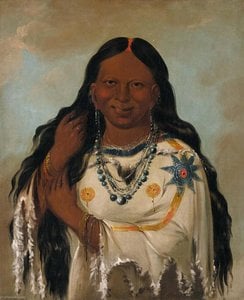
Kicking Bird

Explore William Stinson Soule's captivating black and white photograph of Kicking Bird, a Native American man embodying resilience and tradition during the Civil War era.

William Stinson Soule (1836-1908): American photographer of the Old West, famed for detailed portraits & Native American documentation. Explore his 19th-century legacy at WahooArt.

온라인 미리보기보다 훨씬 뛰어난 품질의 고해상도 디지털 이미지를 구매해 보세요.

각 파일은 사내 전문가가 고급 도구와 숙련된 수동 리터칭 기술을 사용하여 세심하게 준비합니다. 우리는 모든 이미지가 탁월한 선명도, 정확한 색상 재현력, 그리고 미세한 디테일까지 완벽하게 갖추도록 보장합니다.

최종 파일은 전문적인 편집 및 인쇄 환경에서 즉시 사용할 수 있도록 최적화되어 72시간 이내에 이메일로 발송됩니다. 이는 세계적인 디자인 스튜디오, 출판사 및 갤러리가 신뢰하는 것과 동일한 품질입니다.

디지털 이미지

개인 소장 및 전시, 인쇄, 창작 프로젝트를 위한 고해상도 파일을 다운로드하세요. (프린트 판매로 전환 프린트 판매로 전환손으로 그린 그림 구매 손으로 그린 그림 구매)

최종 결제 금액

$ 24.90

모든 디지털 이미지 주문에 포함된 혜택

전문적인 디지털 이미지 전송 보장

WahooArt.com를 선택하시면 단순히 이미지를 받는 것을 넘어, 정밀한 보정 과정을 거친 전문적인 디지털 예술 작품을 만나보실 수 있습니다. 모든 작품에는 만족 보장 서비스가 함께 제공되며, 주문 시 다음과 같은 사항들이 자동으로 포함됩니다:

shipping_icon
빠른 이메일 전송

주문 후 72시간 이내에 고해상도 디지털 이미지 파일이 이메일로 발송되며, 즉시 사용하실 수 있습니다.

canvas_icon
AI 기술로 향상된 디지털 파일

귀하의 작품은 고급 AI 도구와 수동 편집 과정을 거쳐 전문적으로 최적화되며, 이를 통해 디테일과 선명도, 색상의 정확도를 극대화합니다.

insurance_icon
평생 무료 재전송 서비스

파일을 실수로 삭제하거나 분실하셨나요? 걱정 마세요. 언제든 무료로 다시 보내드립니다.

tax_icon
추가 수입 비용 없음 - 언제나

관세나 부가세, 배송비 부담 없이 작품을 즉시 감상하세요 - 디지털 다운로드는 언제나 면세 혜택이 적용됩니다.

color_icon
정확한 색상 보장

전문적인 도구와 색상 관리 시스템을 통해 디지털 이미지가 원본의 색상을 최대한 정확하게 구현하도록 보장합니다.

return_icon
100일 안심 보장제

구매하신 디지털 이미지에 만족하지 못하실 경우, 100일 이내에 별도의 조건 없이 수정 또는 100% 환불을 진행해 드립니다.

guarantee_icon
100% 환불 보장

만족스럽지 않으신가요? 디지털 파일을 받으신 후 100일 이내에 어떠한 조건 없이 전액 환불해 드립니다.

discount_icon
대량 주문 할인

이미지 3매 구매 시 10% 할인 - 5매 구매 시 15% 할인 - 10매 이상 구매 시 20% 할인. 크리에이티브 프로젝트, 갤러리, 에이전시에 매우 유용합니다.

작품 정보 요약

  • Medium: Photography
  • Artistic style: Portraiture
  • Subject or theme: Native American Figure
  • Title: Kicking Bird
  • Artist: William Stinson Soule

예술 상식 퀴즈

각 질문의 정답은 하나뿐입니다.

질문 1:
What is the primary subject of this photograph?
질문 2:
In what year was this photograph taken?
질문 3:
What is William Stinson Soule known for?
질문 4:
The photograph depicts a Native American man holding what object?
질문 5:
What is the significance of the arrow in the image?

A Portrait of Resilience: William Stinson Soule’s “Kicking Bird”

The photograph "Kicking Bird," created by William Stinson Soule in 1870, stands as a testament to both the artistic prowess of its creator and the profound cultural significance embedded within Native American iconography. Captured in black and white, this image depicts Kicking Bird, a Cheyenne warrior, seated calmly beside a pipe – an emblem deeply rooted in Cheyenne spirituality and tradition. Soule’s meticulous attention to detail elevates “Kicking Bird” beyond mere documentation; it's a carefully considered portrayal that speaks volumes about the era’s fascination with ethnographic observation and the burgeoning field of photography as a tool for preserving cultural heritage.

The Artist’s Journey: From Civil War Soldier to Photographic Pioneer

William Stinson Soule’s life was shaped by pivotal experiences during the American Civil War. Enlisting with the 13th Massachusetts Volunteer Infantry, he bravely served on the Union side, sustaining injuries at Antietam – a battle that underscored the brutal realities of conflict and solidified his commitment to duty. Following the war, Soule pursued his passion for photography, establishing a studio in Chambersburg, Pennsylvania, before facing unforeseen hardship when a devastating fire consumed his business. Undeterred by setbacks, he relocated to Fort Dodge, Kansas, where he honed his skills as a clerk in the sutler’s store and ultimately secured the position of post photographer – an opportunity that allowed him to document the landscapes and people of the American West.

Technical Considerations: Soule's Photographic Approach

Soule employed albumen printing, a technique prevalent during the late 1860s and early 1870s. This process involved immersing paper in a solution containing egg whites and metallic salts – a laborious undertaking that demanded precision and patience. The resulting image possessed remarkable tonal range and sharpness, capturing subtle nuances of light and shadow with impressive accuracy. Soule’s skillful manipulation of exposure and dodging ensured that Kicking Bird's face was illuminated prominently, conveying both dignity and solemn contemplation. Furthermore, the photograph’s composition—the warrior positioned centrally against a muted backdrop—suggested an intention to convey respect for the subject and his cultural heritage.

Symbolism Within the Image: The Pipe as Spiritual Representation

The inclusion of the pipe is paramount to understanding “Kicking Bird.” For Cheyenne people, the pipe represents more than just a smoking instrument; it’s a conduit to the spirit world and a symbol of peace, healing, and connection with ancestors. Holding the pipe signifies Kicking Bird's adherence to Cheyenne traditions and his engagement in rituals intended to foster harmony and spiritual awareness. The posture itself—seated calmly—reflects a contemplative demeanor that embodies resilience and inner strength – qualities admired within Cheyenne culture during this period of westward expansion and increasing interaction with European settlers.

Emotional Resonance: Capturing the Essence of Cheyenne Identity

“Kicking Bird” transcends its technical merits to evoke a powerful emotional response. The photograph’s stark monochrome palette contributes to its solemn atmosphere, emphasizing the seriousness of the subject matter and conveying a sense of timelessness. Soule's portrayal captures not only Kicking Bird's physical appearance but also his inner spirit—a quiet dignity born from unwavering faith in tradition and a profound connection to Cheyenne heritage. It serves as an enduring reminder of the importance of preserving cultural narratives and honoring the experiences of indigenous communities during a transformative era in American history.

작가 소개

William Stinson Soule: A Life in Photography

Early Life and Military Service

William Stinson Soule, also known as Will Soule, was born on August 26, 1836, in Turner, Maine, the son of John Soule and Mary (née True). His early life took a dramatic turn with the outbreak of the American Civil War. He enlisted with the 13th Massachusetts Volunteer Infantry, serving the Union Army. Soule was wounded at the Battle of Antietam on September 17, 1862, and subsequently served out the remainder of the war with the Veteran Reserve Corps.

Photographic Career: From Pennsylvania to the West

Following his military service, Soule embarked on a career in photography. In 1865, he opened a studio and gallery in Chambersburg, Pennsylvania. However, this venture was short-lived; a fire destroyed his business in early 1867. Undeterred, Soule moved west to Fort Dodge, Kansas, where he worked as a clerk in the sutler's store.

A pivotal moment arrived in 1869 when Soule became the post photographer at Fort Sill, Indian Territory (present-day Oklahoma). For six years, he held this position, capturing high-quality portraits and photographs of Native American individuals and groups. This period represents the most significant contribution to his photographic legacy.

Work and Style

Soule’s work is characterized by its technical proficiency and attention to detail – hallmarks of late 19th-century photography. His portraits, particularly those of Native Americans, are notable for their dignity and respect. He wasn't simply documenting; he was creating lasting visual records of a changing era.

  • Portraiture: Soule excelled in portrait photography, capturing the likenesses of soldiers, settlers, and especially Native American leaders and families.
  • Documentation: His photographs served as important documentation of life on the frontier during a period of significant cultural contact and conflict.
  • Technical Skill: Soule’s work demonstrates mastery of photographic techniques available at the time, including wet plate collodion processes.

Later Life and Legacy

In 1875, Soule left Fort Sill and returned east. He married Ella Augusta Blackman that year and resided in Philadelphia before moving to Vermont and finally settling in Boston in 1882. There, he took over his older brother's business, the Soule Art Company, until his retirement in 1900.

William Stinson Soule passed away on August 12, 1908. While not a household name today, his photographs remain invaluable historical resources, offering insights into the American West and its diverse inhabitants during a crucial period of transformation.

Historical Significance

Soule’s contributions lie in his meticulous documentation of Native American life and culture at a time when these communities were undergoing profound changes. His photographs provide a visual record that complements written accounts, offering a more nuanced understanding of the era. His work continues to be studied by historians and art enthusiasts alike, ensuring his place as an important figure in the history of Western photography.

william stinson soule

william stinson soule

1836 - 1908 , United States of America

주요 정보

  • Birth Date: August 26, 1836
  • Birth Place: Turner, Maine, United States of America
  • Death Date: August 12, 1908
  • Movement: Photography
  • Name: William Stinson Soule
  • Nationality: American
  • Notable Works: Photographs of Native American subjects and the American West (specifically Kicking Bird)