Acrylic On CanvasWallArtRomanticism
 1870
1870 13.0 x 10.0 cm
 국립미술관
국립미술관원하는 크기와 액자로 주문 제작되는, 작가들이 직접 캔버스에 손으로 그린 유화 작품입니다. ( 프린트 판매로 전환 디지털 이미지로 전환)





























작품의 원본 비율을 유지하는 미리 설정된 크기 중에서 선택하세요.

특정 프레임이나 공간에 맞도록 직접 크기를 입력할 수 있습니다. 선택하신 크기가 원본 이미지의 비율과 일치하지 않는 경우, 작품을 자르거나 추가적인 손으로 그린 요소를 사용하여 그림을 확장합니다. 제작 시작 전 승인을 위해 디지털 목업을 보내드립니다.
화면 미리 보기는 실제 자르기 또는 확장을 반영하지 않습니다. 최종 구성은 목업을 통해서만 정확하게 확인하실 수 있습니다.
맞춤 크기 제작도 가능하지만, 원본 비율을 유지하기 위해 사전 정의된 목록에서 크기를 선택하시는 것을 권장합니다.

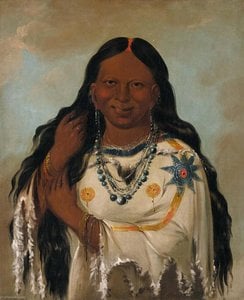
Kicking Bird
복제본 크기

William Stinson Soule, also known as Will Soule, was born on August 26, 1836, in Turner, Maine, the son of John Soule and Mary (née True). His early life took a dramatic turn with the outbreak of the American Civil War. He enlisted with the 13th Massachusetts Volunteer Infantry, serving the Union Army. Soule was wounded at the Battle of Antietam on September 17, 1862, and subsequently served out the remainder of the war with the Veteran Reserve Corps.
Following his military service, Soule embarked on a career in photography. In 1865, he opened a studio and gallery in Chambersburg, Pennsylvania. However, this venture was short-lived; a fire destroyed his business in early 1867. Undeterred, Soule moved west to Fort Dodge, Kansas, where he worked as a clerk in the sutler's store.
A pivotal moment arrived in 1869 when Soule became the post photographer at Fort Sill, Indian Territory (present-day Oklahoma). For six years, he held this position, capturing high-quality portraits and photographs of Native American individuals and groups. This period represents the most significant contribution to his photographic legacy.
Soule’s work is characterized by its technical proficiency and attention to detail – hallmarks of late 19th-century photography. His portraits, particularly those of Native Americans, are notable for their dignity and respect. He wasn't simply documenting; he was creating lasting visual records of a changing era.
In 1875, Soule left Fort Sill and returned east. He married Ella Augusta Blackman that year and resided in Philadelphia before moving to Vermont and finally settling in Boston in 1882. There, he took over his older brother's business, the Soule Art Company, until his retirement in 1900.
William Stinson Soule passed away on August 12, 1908. While not a household name today, his photographs remain invaluable historical resources, offering insights into the American West and its diverse inhabitants during a crucial period of transformation.
Soule’s contributions lie in his meticulous documentation of Native American life and culture at a time when these communities were undergoing profound changes. His photographs provide a visual record that complements written accounts, offering a more nuanced understanding of the era. His work continues to be studied by historians and art enthusiasts alike, ensuring his place as an important figure in the history of Western photography.

1836 - 1908 , United States of America

Explore the profound emotional depth of documentary photography art. Discover how collectors curate powerful historical narratives through museum-quality black and white prints and fine art reproductions that preserve humanity's most resilient moments.

Explore the profound artistry of black and white photography. From historical mastery to the interplay of light and shadow, discover how monochrome captures timeless emotion and form through a sophisticated lens of art history.


 미리보기
미리보기
 공유하기
공유하기 공유하기
공유하기
 상세 정보
상세 정보

 다운로드
다운로드
 유사 작품
유사 작품 X-레이
X-레이 슬라이드 쇼
 통계 정보
통계 정보 더 보기
더 보기









 유리 옵션은 110cm 미만 크기에서만 선택 가능합니다.