

이 페이지에 표시된 작품은 저작권법의 보호를 받으며, 이에 따라 동일한 복제품을 제작하거나 판매하는 것은 법으로 금지되어 있습니다. 이러한 권리 보호는 다음과 같은 국제 협약에 따라 시행됩니다. 베른 협약 또한 다음에서 명시하는 법률을 포함한 국내법에 의해 보호됩니다. 미국 저작권법 제17조.
이 방식은 저작권 보호를 받는 예술 작품을 복제하거나 그대로 재현하는 것이 아니기에 저작권 규정을 완벽히 준수합니다. 대신, 이는 창의적인 재해석의 과정을 거칩니다. 즉, 원작에서 영감을 받되 원작과 동일하지 않은 새로운 회화 작품을 의미합니다.
빠른 제작과 다양한 마감 옵션을 선택할 수 있는 박물관 수준의 지클레이 및 캔버스 프린트. ( 수작업 채색 복제본 주문하기 디지털 이미지 판매 채널로 전환)





























작품의 원본 비율을 그대로 유지하는 프리셋 사이즈 중에서 선택해 보세요.

특정 프레임이나 공간에 맞춰 직접 치수를 입력하실 수 있습니다. 선택하신 사이즈가 원본 이미지의 비율과 일치하지 않을 경우, 작품을 크롭(자르기)하거나 이미지를 대칭 또는 단색 채우기로 확장하여 제작합니다. 제작 시작 전, 최종 확인을 위해 디지털 목업이 전송됩니다.
화면상의 미리보기는 실제 크롭이나 확장 상태를 반영하지 않으므로, 최종 구도는 오직 목업을 통해서만 정확하게 확인하실 수 있습니다.
맞춤 사이즈 제작도 가능하지만, 원본 비율을 유지하기 위해서는 사전 정의된 목록에서 치수를 선택하시는 것을 권장합니다.
Galaxy
복제본 규격
Vija Celmins' "Galaxy," created in 1975, isn’t merely a depiction of the cosmos; it’s an invitation to contemplate our place within its vastness. This remarkable monochrome lithograph, part of a series exploring celestial phenomena, transcends simple representation and delves into the very essence of observation and memory. Celmins, born in Riga, Latvia, and deeply influenced by Giorgio Morandi's quiet still lifes, possessed a singular ability to distill complex subjects – here, the infinite expanse of space – into meticulously rendered, almost meditative forms. The work speaks volumes about her unique approach: an unwavering commitment to detail combined with a profound understanding of how light and shadow can evoke emotion.
The image itself presents a breathtakingly simplified galaxy. A dense field of tiny, uniformly sized graphite dots dominates the composition, representing countless stars scattered across an inky blackness. These aren’t vibrant bursts of color or swirling nebulae; instead, they are subtle gradations of grey, creating a sense of depth and texture that mimics the grainy surface of photographic paper – a deliberate nod to the medium's inherent qualities. A slightly elongated, hazy shape at the center suggests a galactic core, while faint, diffused lines hint at spiral arms, though these forms remain remarkably understated. The absence of sharp edges or dramatic contrasts contributes to an atmosphere of quiet contemplation, inviting the viewer to lose themselves in the subtle beauty of the scene.
Celmins’ technique is central to the work's power. She began by creating detailed pencil drawings from astronomical photographs, painstakingly capturing every nuance of light and shadow. These drawings served as the foundation for the lithograph, a process that demanded immense patience and precision. Lithography itself relies on transferring an image through a stone or resin plate using ink, resulting in incredibly smooth tonal variations – a perfect match for Celmins’ meticulous approach. The result is a surface that feels both tactile and ethereal, simultaneously grounded in observation and imbued with the artist's personal memory of the source material.
It’s important to note that Celmins largely abandoned painting in the 1970s, shifting her focus entirely to graphite drawings. This decision wasn’t a rejection of color but rather an exploration of a different set of possibilities – a way to capture the essence of subjects through their tonal relationships and subtle textures. The monochrome palette forces us to engage with the image on a purely visual level, stripping away distractions and allowing us to focus on the fundamental elements of form, light, and shadow.
“Galaxy” isn’t simply a representation of space; it's an exploration of scale and perspective. The sheer density of stars suggests the immensity of the universe, while their diminutive size reminds us of our own insignificance within that grand scheme. Celmins’ choice to render these celestial bodies as tiny dots creates a powerful metaphor for human perception – we can only ever grasp fragments of the whole, relying on memory and interpretation to construct a coherent understanding.
Furthermore, the work evokes a sense of timelessness. The stark monochrome palette and the meticulous detail suggest an almost archaeological quality, as if Celmins is excavating a record of the universe from the depths of her own memory. It’s a meditation on the enduring power of observation and the human desire to understand our place in the cosmos – a sentiment that resonates deeply with viewers across generations.
Vija Celmins is now recognized as one of the most significant contemporary artists working today. Her meticulous graphite drawings, often depicting seemingly mundane subjects like ocean waves, salt flats, and night skies, are celebrated for their extraordinary detail, quiet beauty, and profound emotional resonance. “Galaxy” stands as a testament to her unique vision – a silent universe rendered in graphite, inviting us to contemplate the mysteries of space and the enduring power of human observation. Reproductions of this piece offer a remarkable opportunity to bring this evocative artwork into any setting, fostering a sense of wonder and connection to the vastness beyond.
Vija Celmins의 "Galaxy"과(와) 유사한 작품들은 해당 작품의 유사한 작품 페이지에서 확인하실 수 있습니다.
Vija Celmins의 "Galaxy"은(는) 1975년에 제작되었습니다.
Vija Celmins의 "Galaxy"에 기록된 정서적 톤은 Mysterious입니다. 이는 작품이 표현하는 감정을 요약한 것입니다.
"Galaxy" 작품의 권장 인쇄 설정은 Medium 크기와 Landscape 방향입니다.
Vija Celmins은(는) 37세에 "Galaxy"을(를) 제작했습니다. 작가는 1938년에 태어났으며, 이 작품의 제작 연도는 1975년입니다.
"Galaxy"의 작가는 Vija Celmins입니다. 이 작품은 Vija Celmins의 이름으로 등록되어 있습니다.
Vija Celmins의 "Galaxy"은(는) Muted의 채도와 Monochromatic의 강도로 기록되어 있습니다.

1938 - , Latvia

좁은 공간도 예술적인 감각으로 채우는 방법! 추상 미술의 핵심 원리와 작품 선택 가이드, 실제 인테리어 사례 분석을 통해 시각적 확장 효과를 극대화하는 전략을 제시합니다. 전문가의 조언과 갤러리 수준의 그림으로 공간에 새로운 생명을 불어넣으세요.
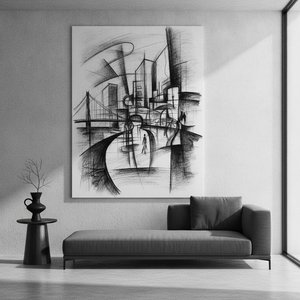
Level up your space with the raw, gritty edge of high-impact charcoal art. From dramatic chiaroscuro sketches to custom photo-to-charcoal transformations, discover bold monochrome pieces that make a visual power move. Elevate your aesthetic with premium, trend-driven art.

Master the monochrome aesthetic with high-impact Black & White art from WahooArt.com. From custom hand-painted oils to iconic pop culture remixes, discover the ultimate design flex for your urban space. Elevate your decor with bold, premium, and timeless monochrome masterpieces.

Explore 10 legendary lithographs by Toulouse-Lautrec, Munch & Picasso that redefined art! Discover the stories behind these iconic prints and find museum-quality reproductions for your home decor at WahooArt.com. Explore the full collection online.

Elevate your interiors with the profound elegance of monochrome art. Explore WahooArt.com’s curated collection of hand-painted oil reproductions and bespoke commissions, designed to bring sophisticated simplicity and timeless texture to every professional design project.

 실제 크기로 보기
 보내기
보내기 공유하기
공유하기
 상세 보기
상세 보기 가이드 보기

 이미지 다운로드
 유사 작품 더 보기
 X-레이
X-레이 슬라이드 쇼 보기
 통계 정보
통계 정보


 상세 보기
상세 보기









 유리 옵션은 110cm 미만 크기에서만 선택 가능합니다.


