빠른 제작과 다양한 마감 옵션을 제공하는 박물관 수준의 지클레이 및 캔버스 프린트. ( 수작업 채색 복제본 주문하기 디지털 이미지로 전환)





























작품의 원본 비율을 그대로 유지하는 프리셋 사이즈 중에서 선택해 보세요.

액자나 벽면 크기에 맞춰 필요한 가로와 세로 길이를 입력해 주세요. 프린트는 원본 이미지보다 크게 제작할 수 없으며 오직 자르는 것만 가능하므로, 비율이 다른 사이즈를 선택할 경우 이미지의 일부가 잘려 나갈 수 있습니다. 인쇄 작업에 들어가기 전, 최종 확인을 위해 디지털 목업을 보내드립니다. 이 페이지에 표시된 이미지는 실제 잘리는 영역을 나타내지 않으며, 오직 목업을 통해서만 정확한 확인이 가능합니다.
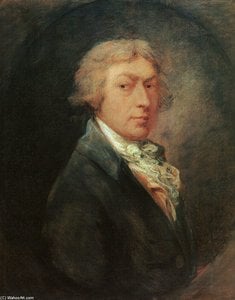
Self portrait
복제본 크기
The year is 1754. Thomas Gainsborough, a young artist hailing from the quiet Suffolk market town of Sudbury, stands before his easel, meticulously rendering himself in oil on canvas. This self-portrait isn’t merely a likeness; it's a carefully constructed statement – a glimpse into the mind and ambitions of a rising star within the burgeoning world of British art. Measuring 58 x 49 cm, the painting immediately draws the viewer in with its restrained elegance and the palpable sense of quiet confidence emanating from Gainsborough’s gaze. It is a quintessential example of his skill, reflecting the Rococo style's emphasis on beauty, grace, and refinement – qualities that would define much of his subsequent work.
Gainsborough’s self-portrait speaks volumes about the artistic conventions of his time. The portraiture genre was experiencing a golden age, particularly within the Royal Academy, where Gainsborough eventually gained recognition. However, this is not simply a formal representation; it's infused with a subtle introspection. Dressed in the fashionable attire of the period – a dark suit and tie – he presents himself as both a professional artist and a man of discerning taste. The serious expression, far from being stern, conveys an air of quiet self-assurance and intellectual curiosity, hallmarks of the Enlightenment era.
The painting’s composition is carefully balanced, drawing the eye to Gainsborough's face while subtly incorporating elements of his studio – a suggestion of landscape sketches hinting at his broader artistic interests. The use of light and shadow, a hallmark of the Rococo style, adds depth and volume, enhancing the subject’s features and creating a sense of three-dimensionality.
Gainsborough’s mastery is evident in his meticulous technique. The delicate brushstrokes create a smooth surface texture, while subtle variations in color and tone contribute to the painting’s overall luminosity. He skillfully employs glazing techniques – applying thin layers of translucent oil paint over dried underlayers – to build up depth and richness of color. The attention to detail, particularly in rendering the fabric of his clothing and the textures of his hair, demonstrates a profound understanding of materials and their effects.
The canvas itself, primed with a suitable ground for oil paints, provides an ideal surface for Gainsborough’s expressive strokes. The choice of dark colors – predominantly browns, blacks, and grays – contributes to the painting's somber yet dignified tone, reflecting the artist’s serious demeanor.
Beyond its technical brilliance, the self-portrait carries symbolic weight. It represents Gainsborough’s ambition, his dedication to his craft, and his desire to establish himself as a leading figure in British art. The painting is not just a portrait; it's an assertion of identity – a declaration that this was the man behind the brush, a man driven by passion and a commitment to artistic excellence. It stands as a testament to Gainsborough’s enduring legacy, influencing generations of artists who followed.
"Self portrait"은(는) 토마스 게인즈버러의 Rococo Style 시기 작품으로, 작가의 주요 주제로는 rococo elegance, societal norms, british art legacy, trends, portraiture’s valued genre”, “gainsborough’s professional demeanor”, self-portrait showcase, mastery 등이 있습니다.
토마스 게인즈버러의 "Self portrait"은(는) Balanced의 색채 강도를 보여줍니다.
원작 토마스 게인즈버러의 "Self portrait"은(는) 크기 58 x 49 cm의 Oil On Canvas 작품입니다. 기법과 크기는 원작의 정보를 나타냅니다.


1727 - 1788 , 영국

Unlock your creative potential with WahooArt. Learn how to scale your art business through our automated print and premium oil reproduction services, transforming your original works into a global, passive income stream without compromising academic excellence.

Discover the enduring allure of oil on canvas. Explore how master techniques like impasto and glazing create the depth, texture, and emotional resonance found in the world's greatest masterpieces. An essential guide for fine art enthusiasts and discerning collectors.

Discover the profound allure of oil on canvas. Explore the mastery of impasto textures, the science of pigment longevity, and expert guides to selecting museum-quality reproductions that elevate your collection with timeless elegance and tactile depth.
 미리보기
미리보기
 공유하기
공유하기 공유하기
공유하기
 상세 정보
상세 정보 가이드 보기

 다운로드
다운로드
 유사 작품 더 보기
 X-레이
X-레이 슬라이드 쇼 보기
 질의응답
질의응답
 통계 정보
통계 정보

 더 보기
더 보기









 유리 옵션은 110cm 미만 크기에서만 선택 가능합니다.