원하는 크기와 액자로 주문 제작되는, 작가들이 직접 캔버스에 손으로 그린 유화 작품입니다. ( 프린트 판매로 전환
디지털 이미지로 전환)
작품의 원본 비율을 유지하는 미리 설정된 크기 중에서 선택하세요.
특정 프레임이나 공간에 맞도록 직접 크기를 입력할 수 있습니다. 선택하신 크기가 원본 이미지의 비율과 일치하지 않는 경우, 작품을 자르거나 추가적인 손으로 그린 요소를 사용하여 그림을 확장합니다. 제작 시작 전 승인을 위해 디지털 목업을 보내드립니다.
화면 미리 보기는 실제 자르기 또는 확장을 반영하지 않습니다. 최종 구성은 목업을 통해서만 정확하게 확인하실 수 있습니다.
맞춤 크기 제작도 가능하지만, 원본 비율을 유지하기 위해 사전 정의된 목록에서 크기를 선택하시는 것을 권장합니다.
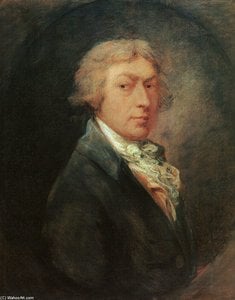
Self portrait
복제본 크기
The year is 1754. Thomas Gainsborough, a young artist hailing from the quiet Suffolk market town of Sudbury, stands before his easel, meticulously rendering himself in oil on canvas. This self-portrait isn’t merely a likeness; it's a carefully constructed statement – a glimpse into the mind and ambitions of a rising star within the burgeoning world of British art. Measuring 58 x 49 cm, the painting immediately draws the viewer in with its restrained elegance and the palpable sense of quiet confidence emanating from Gainsborough’s gaze. It is a quintessential example of his skill, reflecting the Rococo style's emphasis on beauty, grace, and refinement – qualities that would define much of his subsequent work.
Gainsborough’s self-portrait speaks volumes about the artistic conventions of his time. The portraiture genre was experiencing a golden age, particularly within the Royal Academy, where Gainsborough eventually gained recognition. However, this is not simply a formal representation; it's infused with a subtle introspection. Dressed in the fashionable attire of the period – a dark suit and tie – he presents himself as both a professional artist and a man of discerning taste. The serious expression, far from being stern, conveys an air of quiet self-assurance and intellectual curiosity, hallmarks of the Enlightenment era.
The painting’s composition is carefully balanced, drawing the eye to Gainsborough's face while subtly incorporating elements of his studio – a suggestion of landscape sketches hinting at his broader artistic interests. The use of light and shadow, a hallmark of the Rococo style, adds depth and volume, enhancing the subject’s features and creating a sense of three-dimensionality.
Gainsborough’s mastery is evident in his meticulous technique. The delicate brushstrokes create a smooth surface texture, while subtle variations in color and tone contribute to the painting’s overall luminosity. He skillfully employs glazing techniques – applying thin layers of translucent oil paint over dried underlayers – to build up depth and richness of color. The attention to detail, particularly in rendering the fabric of his clothing and the textures of his hair, demonstrates a profound understanding of materials and their effects.
The canvas itself, primed with a suitable ground for oil paints, provides an ideal surface for Gainsborough’s expressive strokes. The choice of dark colors – predominantly browns, blacks, and grays – contributes to the painting's somber yet dignified tone, reflecting the artist’s serious demeanor.
Beyond its technical brilliance, the self-portrait carries symbolic weight. It represents Gainsborough’s ambition, his dedication to his craft, and his desire to establish himself as a leading figure in British art. The painting is not just a portrait; it's an assertion of identity – a declaration that this was the man behind the brush, a man driven by passion and a commitment to artistic excellence. It stands as a testament to Gainsborough’s enduring legacy, influencing generations of artists who followed.
1727 - 1788 , 영국