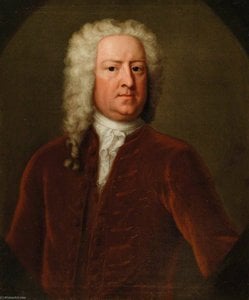
온라인 미리보기보다 훨씬 뛰어난 품질의 고해상도 디지털 이미지를 구매해 보세요.
각 파일은 사내 전문가가 고급 도구와 숙련된 수동 리터칭 기술을 사용하여 세심하게 준비합니다. 우리는 모든 이미지가 탁월한 선명도, 정확한 색상 재현력, 그리고 미세한 디테일까지 완벽하게 갖추도록 보장합니다.
최종 파일은 전문적인 편집 및 인쇄 환경에서 즉시 사용할 수 있도록 최적화되어 72시간 이내에 이메일로 발송됩니다. 이는 세계적인 디자인 스튜디오, 출판사 및 갤러리가 신뢰하는 것과 동일한 품질입니다.
개인 소장 및 전시, 인쇄, 창작 프로젝트를 위한 고해상도 파일을 다운로드하세요. ( 프린트 판매로 전환 손으로 그린 그림 구매)
WahooArt.com를 선택하시면 단순히 이미지를 받는 것을 넘어, 정밀한 보정 과정을 거친 전문적인 디지털 예술 작품을 만나보실 수 있습니다. 모든 작품에는 만족 보장 서비스가 함께 제공되며, 주문 시 다음과 같은 사항들이 자동으로 포함됩니다:

주문 후 72시간 이내에 고해상도 디지털 이미지 파일이 이메일로 발송되며, 즉시 사용하실 수 있습니다.

귀하의 작품은 고급 AI 도구와 수동 편집 과정을 거쳐 전문적으로 최적화되며, 이를 통해 디테일과 선명도, 색상의 정확도를 극대화합니다.

파일을 실수로 삭제하거나 분실하셨나요? 걱정 마세요. 언제든 무료로 다시 보내드립니다.

관세나 부가세, 배송비 부담 없이 작품을 즉시 감상하세요 - 디지털 다운로드는 언제나 면세 혜택이 적용됩니다.

전문적인 도구와 색상 관리 시스템을 통해 디지털 이미지가 원본의 색상을 최대한 정확하게 구현하도록 보장합니다.

구매하신 디지털 이미지에 만족하지 못하실 경우, 100일 이내에 별도의 조건 없이 수정 또는 100% 환불을 진행해 드립니다.

만족스럽지 않으신가요? 디지털 파일을 받으신 후 100일 이내에 어떠한 조건 없이 전액 환불해 드립니다.

이미지 3매 구매 시 10% 할인 - 5매 구매 시 15% 할인 - 10매 이상 구매 시 20% 할인. 크리에이티브 프로젝트, 갤러리, 에이전시에 매우 유용합니다.

Born in Antwerp during a period of artistic ferment, Simon Dubois (1632-1708) emerged as a significant figure in 17th-century European painting. His career spanned continents – from the bustling art scene of his native Flanders to the refined courts of England and Italy – and encompassed a remarkable range of styles, ultimately solidifying his reputation as a skilled portraitist and a master of dramatic biblical scenes. Dubois’s life was marked by both professional success and personal tragedy, shaping the trajectory of his artistic vision and leaving behind a legacy of evocative works that continue to captivate viewers today.
Dubois' early years were steeped in the traditions of Flemish painting. He received his initial training from Jan van Berchem and Philips Wouwermans in Haarlem, absorbing their techniques for rendering dynamic movement and capturing the essence of animal subjects – a skill that would later inform his depictions of cavalry charges and battle scenes. However, Dubois quickly distinguished himself by embracing the burgeoning Italianate style, characterized by dramatic lighting, theatrical compositions, and an emphasis on emotional intensity. This shift was partly influenced by his travels to Venice and Rome, where he encountered the works of Caravaggio and other masters who pioneered a new approach to painting – one that prioritized psychological realism and intense visual drama.
His arrival in England in 1680 proved pivotal. Dubois quickly gained favor with Lord-Chancellor Somers, securing a lucrative commission for a portrait that established his reputation among the English aristocracy. This patronage opened doors to further opportunities, allowing him to establish himself as a leading court painter and decorate several notable residences. His work during this period is characterized by its elegance, meticulous detail, and a subtle yet powerful sense of drama – qualities he honed through years of studying the works of Van Dyke and other masters.
Dubois’s most enduring contribution to art lies in his series of biblical paintings. These works, often commissioned by religious institutions or wealthy patrons, are not mere illustrations but rather dramatic interpretations of key stories from the Old and New Testaments. He eschewed the traditional, static depictions favored by many of his contemporaries, instead opting for dynamic compositions that capture the energy and emotion of the narratives. His scenes are filled with movement, gesture, and a keen awareness of human psychology – reflecting Caravaggio’s influence.
Notable examples include “The Conversion of Cornelius” and “The Raising of Lazarus,” both characterized by their dramatic lighting, intense expressions, and carefully rendered details. Dubois masterfully employed color to heighten the emotional impact of his scenes, using deep reds and blues to evoke feelings of passion and sorrow, while employing lighter tones to suggest hope and redemption. His depictions of biblical figures are remarkably humanistic, imbuing them with a sense of vulnerability and moral complexity – qualities that resonated deeply with audiences of his time.
It’s important to note the controversy surrounding these works. Dubois cleverly exploited the prevailing admiration for the paintings of Van Dyke, often signing his own pieces as those of the celebrated master, thereby elevating their perceived value and securing commissions. This practice, while ethically questionable, undoubtedly contributed to his success and allowed him to develop his distinctive style.
Alongside his biblical paintings, Dubois was a highly sought-after portraitist. His portraits of prominent figures – including Lord Somers, Archbishop Tenison, and various members of the English aristocracy – are renowned for their elegance, psychological insight, and technical skill. He possessed an uncanny ability to capture not only the physical likeness of his subjects but also their personalities and inner lives.
Dubois’s portraiture reflects the prevailing trends of the era, incorporating elements of both Flemish realism and Italianate drama. His compositions are often carefully arranged, with attention paid to detail in the rendering of clothing, jewelry, and other accessories. He skillfully used light and shadow to create a sense of depth and volume, while employing subtle gestures and expressions to convey his subjects’ emotions.
Simon Dubois died in London in 1708, leaving behind a substantial body of work that continues to be admired for its dramatic intensity, technical skill, and psychological insight. His influence can be seen in the works of later artists, including William Hogarth, who drew inspiration from his dynamic compositions and theatrical lighting.
Dubois’s paintings played a significant role in shaping the visual culture of 17th-century Europe, demonstrating the power of art to convey religious narratives and capture the complexities of human experience. His legacy endures today, as viewers continue to be captivated by his evocative biblical scenes and refined portraits – testaments to the enduring genius of this remarkable artist.

1632 - 1708


 미리보기
미리보기
 공유하기
공유하기 공유하기
공유하기
 상세 정보
상세 정보 가이드 보기

 다운로드
다운로드
 유사 작품
유사 작품 X-레이
X-레이 슬라이드 쇼
 통계 정보
통계 정보


 더 보기
더 보기