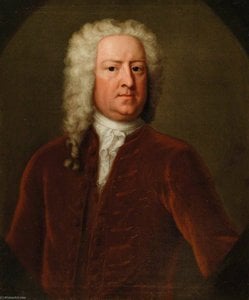
원하는 크기와 액자로 주문 제작되는, 작가들이 직접 캔버스에 손으로 그린 유화 작품입니다. ( 프린트 판매로 전환 디지털 이미지로 전환)
작품의 원본 비율을 유지하는 미리 설정된 크기 중에서 선택하세요.

특정 프레임이나 공간에 맞도록 직접 크기를 입력할 수 있습니다. 선택하신 크기가 원본 이미지의 비율과 일치하지 않는 경우, 작품을 자르거나 추가적인 손으로 그린 요소를 사용하여 그림을 확장합니다. 제작 시작 전 승인을 위해 디지털 목업을 보내드립니다.
화면 미리 보기는 실제 자르기 또는 확장을 반영하지 않습니다. 최종 구성은 목업을 통해서만 정확하게 확인하실 수 있습니다.
맞춤 크기 제작도 가능하지만, 원본 비율을 유지하기 위해 사전 정의된 목록에서 크기를 선택하시는 것을 권장합니다.

Sir William Jones Knight
복제본 크기

Born in Antwerp during a period of artistic ferment, Simon Dubois (1632-1708) emerged as a significant figure in 17th-century European painting. His career spanned continents – from the bustling art scene of his native Flanders to the refined courts of England and Italy – and encompassed a remarkable range of styles, ultimately solidifying his reputation as a skilled portraitist and a master of dramatic biblical scenes. Dubois’s life was marked by both professional success and personal tragedy, shaping the trajectory of his artistic vision and leaving behind a legacy of evocative works that continue to captivate viewers today.
Dubois' early years were steeped in the traditions of Flemish painting. He received his initial training from Jan van Berchem and Philips Wouwermans in Haarlem, absorbing their techniques for rendering dynamic movement and capturing the essence of animal subjects – a skill that would later inform his depictions of cavalry charges and battle scenes. However, Dubois quickly distinguished himself by embracing the burgeoning Italianate style, characterized by dramatic lighting, theatrical compositions, and an emphasis on emotional intensity. This shift was partly influenced by his travels to Venice and Rome, where he encountered the works of Caravaggio and other masters who pioneered a new approach to painting – one that prioritized psychological realism and intense visual drama.
His arrival in England in 1680 proved pivotal. Dubois quickly gained favor with Lord-Chancellor Somers, securing a lucrative commission for a portrait that established his reputation among the English aristocracy. This patronage opened doors to further opportunities, allowing him to establish himself as a leading court painter and decorate several notable residences. His work during this period is characterized by its elegance, meticulous detail, and a subtle yet powerful sense of drama – qualities he honed through years of studying the works of Van Dyke and other masters.
Dubois’s most enduring contribution to art lies in his series of biblical paintings. These works, often commissioned by religious institutions or wealthy patrons, are not mere illustrations but rather dramatic interpretations of key stories from the Old and New Testaments. He eschewed the traditional, static depictions favored by many of his contemporaries, instead opting for dynamic compositions that capture the energy and emotion of the narratives. His scenes are filled with movement, gesture, and a keen awareness of human psychology – reflecting Caravaggio’s influence.
Notable examples include “The Conversion of Cornelius” and “The Raising of Lazarus,” both characterized by their dramatic lighting, intense expressions, and carefully rendered details. Dubois masterfully employed color to heighten the emotional impact of his scenes, using deep reds and blues to evoke feelings of passion and sorrow, while employing lighter tones to suggest hope and redemption. His depictions of biblical figures are remarkably humanistic, imbuing them with a sense of vulnerability and moral complexity – qualities that resonated deeply with audiences of his time.
It’s important to note the controversy surrounding these works. Dubois cleverly exploited the prevailing admiration for the paintings of Van Dyke, often signing his own pieces as those of the celebrated master, thereby elevating their perceived value and securing commissions. This practice, while ethically questionable, undoubtedly contributed to his success and allowed him to develop his distinctive style.
Alongside his biblical paintings, Dubois was a highly sought-after portraitist. His portraits of prominent figures – including Lord Somers, Archbishop Tenison, and various members of the English aristocracy – are renowned for their elegance, psychological insight, and technical skill. He possessed an uncanny ability to capture not only the physical likeness of his subjects but also their personalities and inner lives.
Dubois’s portraiture reflects the prevailing trends of the era, incorporating elements of both Flemish realism and Italianate drama. His compositions are often carefully arranged, with attention paid to detail in the rendering of clothing, jewelry, and other accessories. He skillfully used light and shadow to create a sense of depth and volume, while employing subtle gestures and expressions to convey his subjects’ emotions.
Simon Dubois died in London in 1708, leaving behind a substantial body of work that continues to be admired for its dramatic intensity, technical skill, and psychological insight. His influence can be seen in the works of later artists, including William Hogarth, who drew inspiration from his dynamic compositions and theatrical lighting.
Dubois’s paintings played a significant role in shaping the visual culture of 17th-century Europe, demonstrating the power of art to convey religious narratives and capture the complexities of human experience. His legacy endures today, as viewers continue to be captivated by his evocative biblical scenes and refined portraits – testaments to the enduring genius of this remarkable artist.

1632 - 1708
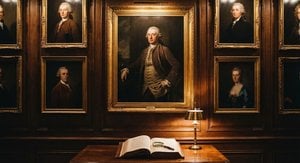
Explore 25 captivating portraits by Sir Joshua Reynolds, a master of British art. Discover stories behind his iconic paintings, elegant style & historical influence. Find museum-quality reproductions and elevate your home decor on WahooArt.com.
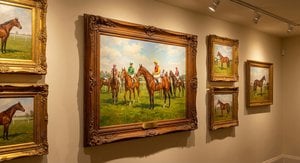
Explore 25 iconic Sir Alfred Munnings paintings! Discover the beauty of British Impressionism, equine art & rural England. Find museum-quality reproductions and elevate your home decor with WahooArt. Explore the full collection online.
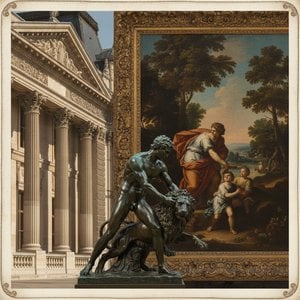
Explore the profound elegance of Baroque Classicism. Discover how 17th-century masters synthesized dramatic emotion with classical order through the lens of the Counter-Reformation and the works of legends like Carlo Maratta and Andrea Sacchi.
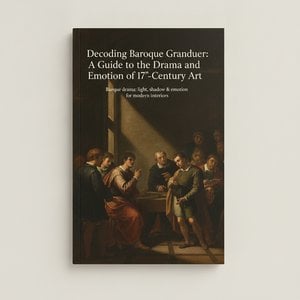
Explore the breathtaking drama of 17th-century Baroque art. Our expert guide decodes the use of chiaroscuro, emotional intensity, and historical grandeur to help you appreciate and curate timeless masterpieces for your collection.

Explore the captivating world of Baroque Classicism! Discover its history, key artists like Caravaggio & Rubens, and defining characteristics. Expert insights & high-quality reproductions at WahooArt.


 미리보기
미리보기
 공유하기
공유하기 공유하기
공유하기
 상세 정보
상세 정보 가이드 보기

 다운로드
다운로드
 유사 작품
유사 작품 X-레이
X-레이 슬라이드 쇼
 통계 정보
통계 정보


 더 보기
더 보기






































 유리 옵션은 110cm 미만 크기에서만 선택 가능합니다.