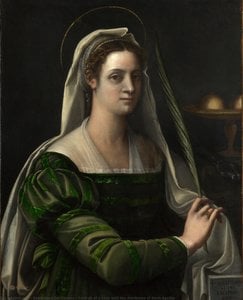
Acrylic On CanvasWallArtRenaissance
 1516
1516 270.0 x 225.0 cm
 Museo Civico
원하는 크기와 액자로 주문 제작되는, 작가들이 직접 캔버스에 손으로 그린 유화 작품입니다. ( 프린트 판매로 전환 디지털 이미지로 전환)





























작품의 원본 비율을 유지하는 미리 설정된 크기 중에서 선택하세요.

특정 프레임이나 공간에 맞도록 직접 크기를 입력할 수 있습니다. 선택하신 크기가 원본 이미지의 비율과 일치하지 않는 경우, 작품을 자르거나 추가적인 손으로 그린 요소를 사용하여 그림을 확장합니다. 제작 시작 전 승인을 위해 디지털 목업을 보내드립니다.
화면 미리 보기는 실제 자르기 또는 확장을 반영하지 않습니다. 최종 구성은 목업을 통해서만 정확하게 확인하실 수 있습니다.
맞춤 크기 제작도 가능하지만, 원본 비율을 유지하기 위해 사전 정의된 목록에서 크기를 선택하시는 것을 권장합니다.

Pietà
복제본 크기
The Pietà, executed in 1516 by Sebastiano del Piombo and housed at the Museo Civico in Viterbo, Italy, stands as a monumental testament to the artistic fervor of the High Renaissance. More than just a depiction of grief—the Virgin Mary cradling the lifeless body of Jesus Christ—it embodies profound theological contemplation and masterful execution, cementing its place among the most iconic images of Christian iconography.
Del Piombo’s genius lay in his ability to synthesize Venetian colorism with Roman grandeur. Trained under Giovanni Bellini and Giorgione, he absorbed the luminous palettes and atmospheric perspective characteristic of Venice while simultaneously embracing the monumental scale and sculptural dynamism favored by Rome’s artistic elite. This dual influence is immediately apparent in “Pietà,” where a rich tapestry of blues and whites dominates the composition—a deliberate nod to Venetian tradition—yet simultaneously conveys an overwhelming sense of solemnity.
The Pietà represents a pivotal collaboration between Del Piombo and Michelangelo Buonarroti, marking the zenith of Renaissance artistic innovation. Michelangelo provided the cartoon for the painting—a preparatory sketch that meticulously outlined the figures and their poses—demonstrating his unwavering commitment to capturing human emotion with unparalleled accuracy. This partnership underscores the interconnectedness of artistic circles during the period and exemplifies the shared pursuit of sublime beauty.
Furthermore, “Pietà” embodies the Venetian legacy of expressive colorism, a stylistic approach championed by Giorgione and Bellini that prioritized emotional resonance over strict realism. Del Piombo’s masterful use of pigment—particularly blues and whites—captures the essence of sorrow and reverence—a testament to his artistic vision and enduring influence on subsequent generations of painters.
The Pietà transcends mere visual representation; it speaks to fundamental theological concepts. Mary’s grief symbolizes divine compassion and maternal love—the embodiment of Christian virtues—while Jesus's lifeless body represents sacrifice and redemption. The painting invites contemplation on themes of mortality and immortality, prompting viewers to grapple with questions of faith and spirituality.
Its placement in the Museo Civico Viterbo ensures that this masterpiece continues to inspire awe and admiration, offering a timeless glimpse into the artistic brilliance of the Renaissance—a period defined by its profound engagement with human emotion and spiritual aspiration.


1485 - 1547 , 이탈리아

Discover the enduring legacy of oil on board painting. Explore how historical techniques, rich impasto textures, and structural durability create timeless masterpieces that bridge Renaissance grandeur with modern art collecting excellence.

Discover the enduring allure of hand-painted oil reproductions. WahooArt offers museum-quality, archival masterpieces designed for discerning collectors seeking timeless beauty and a lasting legacy. Invest in fine art that transcends generations with our expert craftsmanship.

Discover the enduring allure of oil on canvas. Explore how master techniques like impasto and glazing create the depth, texture, and emotional resonance found in the world's greatest masterpieces. An essential guide for fine art enthusiasts and discerning collectors.

Discover the profound allure of oil on canvas. Explore the mastery of impasto textures, the science of pigment longevity, and expert guides to selecting museum-quality reproductions that elevate your collection with timeless elegance and tactile depth.

Explore the profound secrets of classical oil painting. From the delicate mastery of glazing to the dramatic depth of chiaroscuro, discover the timeless techniques used by Old Masters to create enduring, museum-quality masterpieces that capture light and emotion.


 미리보기
미리보기
 공유하기
공유하기 공유하기
공유하기
 상세 정보
상세 정보 가이드 보기

 다운로드
다운로드
 유사 작품
유사 작품 X-레이
X-레이 슬라이드 쇼
 통계 정보
통계 정보 더 보기
더 보기









 유리 옵션은 110cm 미만 크기에서만 선택 가능합니다.