
x


 Oil On CanvasWallArtBaroque Splendor
 1558Renaissance
 340.0 x 455.0 cm
 Basilica dei Santi Giovanni e Paolo




























작품의 원본 비율을 유지하는 미리 설정된 크기 중에서 선택하세요.

특정 프레임이나 공간에 맞도록 직접 크기를 입력할 수 있습니다. 선택하신 크기가 원본 이미지의 비율과 일치하지 않는 경우, 작품을 자르거나 추가적인 손으로 그린 요소를 사용하여 그림을 확장합니다. 제작 시작 전 승인을 위해 디지털 목업을 보내드립니다.
화면 미리 보기는 실제 자르기 또는 확장을 반영하지 않습니다. 최종 구성은 목업을 통해서만 정확하게 확인하실 수 있습니다.
맞춤 크기 제작도 가능하지만, 원본 비율을 유지하기 위해 사전 정의된 목록에서 크기를 선택하시는 것을 권장합니다.

Annunciation
복제본 크기
In the grand tapestry of the Italian Renaissance, few moments capture the intersection of the divine and the earthly as breathtakingly as Paolo Veronese’s Annunciation. Completed in 1558, this monumental masterpiece serves as a window into the golden age of Venice, a period where art was not merely decoration but a profound expression of spiritual devotion and aristocratic prestige. The scene unfolds with a dramatic, theatrical grace, depicting the pivotal moment when the Angel Gabriel descends to deliver the message of salvation to the Virgin Mary. Veronese does not simply paint a religious event; he orchestrates a symphony of light and movement that draws the viewer into a sacred dialogue, making the celestial encounter feel both intimately human and cosmically significant.
The composition is a masterclass in balance and narrative depth. As the angel occupies the left flank of the canvas, Mary stands at the heart of the drama, her posture reflecting a delicate blend of humility and awe. Veronese surrounds this central duo with a carefully curated cast of figures—an older man and woman, a watchful child, and observers peering from the periphery—each contributing to the layered emotional landscape of the piece. The setting, characterized by the soaring arches of a grand cathedral or palace, provides a sense of architectural permanence that contrasts beautifully with the ephemeral, spiritual energy of the angelic visitation. For the discerning collector, this painting offers more than just a subject; it offers a profound sense of presence that anchors any space with historical weight and grace.
To behold Veronese’s work is to witness the pinnacle of colorito, the Venetian tradition of prioritizing color and brushwork to define form. The artist employs a sophisticated use of atmospheric perspective, layering pigments in graduated shades to create an illusionistic depth that seems to pull the viewer into the very architecture of the scene. His palette is nothing short of opulent, utilizing rich, saturated tones that reflect the wealth and vibrancy of 16th-century Venice. Through the meticulous application of light, Veronese achieves a trompe-l'œil effect, where the textures of heavy fabrics, the cold stone of the arches, and the soft glow of divine radiance feel tangibly real.
This technical brilliance is deeply intertwined with the Mannerist influences of his era. While maintaining the classical dignity required for a religious commission, Veronese introduces subtle stylizations—elongated limbs and dramatic contrasts of light and shadow—that imbue the figures with a rhythmic, almost musical quality. This interplay of light and shadow, or chiaroscuro, does more than define shape; it directs the eye through the complex narrative, ensuring that the viewer’s gaze lingers on the emotional nuances of Mary’s expression and the ethereal lightness of Gabriel’s presence. For interior designers seeking to create a focal point of unparalleled elegance, the luminous quality of this work provides an enduring source of inspiration and sophistication.
Beyond its technical merits, the Annunciation is a profound historical document. It reflects the ambitions of the Venetian elite, such as the Gonzaga family, who commissioned such works to bridge the gap between their earthly power and their spiritual aspirations. The painting embodies the humanist ideals of the time, celebrating human dignity within a divine framework. Every fold of drapery and every architectural detail serves to reinforce a sense of order, beauty, and eternal truth.
Owning a high-quality reproduction of this masterpiece allows one to invite this historical grandeur into a contemporary setting. Whether placed in a formal gallery, a stately library, or a curated living space, Veronese’s vision continues to resonate. It remains an evocative piece that speaks to the timeless human desire for connection with the sublime, offering a sense of peace, majesty, and intellectual depth that transcends the centuries.


1528 - 1588 , 이탈리아

Embark on a journey through the Venetian Renaissance. Discover how masters like Giorgione and Titian revolutionized art through luminous color and light. Explore the profound legacy of the Venetian School and its enduring influence on the world of fine art.
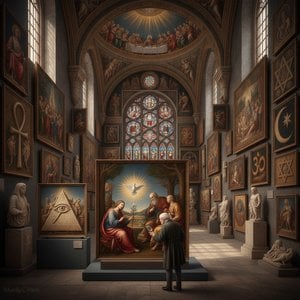
Explore the profound power of religious symbolism in art history. From Renaissance masterpieces to sacred iconography, uncover the hidden meanings behind divine details in a deep dive into classical art excellence.

Embark on a visual journey through Italy's most iconic landscapes and Renaissance masterpieces. Discover the profound beauty of classical art, from Venetian altarpieces to serene countryside vistas, curated for the discerning art enthusiast and collector.


최신 미술 뉴스, 특별 혜택 및 인테리어 아이디어를 가장 먼저 만나보세요.
프로젝트에 대해 알려주시면 저희 미술 전문가들이 맞춤형 아트 제안 3가지를 전달해 드립니다.
당신만을 위한 맞춤형 옵션 3가지를 무료로 추천해 드립니다!


 미리보기
미리보기
 프린트 구매
 공유하기
공유하기 공유하기
공유하기
 상세 정보
상세 정보

 다운로드
다운로드
 유사 작품
유사 작품 X-레이
X-레이 슬라이드 쇼
 더 보기
더 보기









 유리 옵션은 110cm 미만 크기에서만 선택 가능합니다.


