Oil On CanvasWallArtBaroque
 1557Renaissance
 280.0 x 21.0 cm
작가가 직접 캔버스에 손으로 그린 유화 작품으로, 원하는 크기와 액자로 맞춤 제작해 드립니다. ( 프린트 판매로 전환 디지털 이미지 판매 채널로 전환)





























작품의 원본 비율을 그대로 유지하는 프리셋 사이즈 중에서 선택해 보세요.

액자나 벽면 크기에 맞춰 필요한 가로와 세로 길이를 입력해 주세요. 본 작품은 수작업으로 제작되므로, 요청하신 비율에 따라 작가가 그림의 가장자리를 조금 더 넓게 그리거나 일부를 조정하여 작업할 수 있습니다. 작업 시작 전, 최종 확인을 위해 디지털 목업 이미지를 보내드립니다. 이 페이지에 표시된 이미지는 실제 결과물과 다를 수 있으며, 오직 목업 이미지만이 정확한 결과물을 보여줍니다.
The Annunciation
복제본 규격
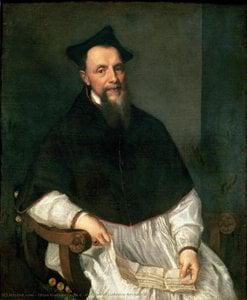
Titian Ramsay Peale II’s “The Annunciation,” painted in 1557, is more than just a depiction of a pivotal biblical moment; it's a carefully constructed tableau brimming with the emotional intensity and dramatic lighting characteristic of late Renaissance – specifically, Baroque – art. This masterful work transports us to a space both sacred and subtly unsettling, inviting contemplation on themes of divine grace, human humility, and the profound mystery at the heart of faith. Peale’s interpretation diverges from purely literal representation, opting instead for a heightened emotionalism that resonates powerfully with viewers centuries later.
The scene unfolds within an undefined, almost dreamlike space – a dark void punctuated by subtle architectural elements suggesting a modest dwelling. The focus immediately draws the eye to the kneeling woman, Mary, rendered in exquisite detail. Her posture conveys both vulnerability and profound absorption; her hands clasped together, her gaze fixed upward with an expression of awe and gentle surprise. This isn’t merely a passive recipient of divine news but a figure actively engaged in a momentous encounter. The artist skillfully uses light to sculpt her form, highlighting the delicate contours of her face and emphasizing the weight of this revelation.
Peale's palette is dominated by rich browns, deep golds, and muted reds – colors that evoke a sense of solemnity and reverence. These warm tones are juxtaposed with cooler blues and purples in the swirling clouds above, creating a dynamic interplay between earthly humility and celestial splendor. The drapery, particularly the voluminous robes of the angel, is rendered with meticulous attention to detail, utilizing layered impasto – thick applications of paint that create a tactile, almost sculptural effect. This technique not only adds depth and texture but also contributes to the overall sense of drama and movement within the composition.
The use of curved lines—particularly in the flowing drapery and the wings of the angel—is paramount to the painting’s dynamic feel. These lines guide the viewer's eye through the scene, creating a sense of continuous motion and upward aspiration. The positioning of the ascending cherubs further reinforces this feeling of ascension, symbolizing the divine presence reaching down to earth. The pyramidal composition, anchored by Mary’s kneeling form and culminating in the angel and celestial elements, provides stability while simultaneously directing the eye upwards towards the heavens.
“The Annunciation” is rich in symbolic meaning. The angel, rendered with powerful wings and a commanding presence, represents divine grace and the messenger of God’s will. Mary's posture embodies humility and receptivity – she is not demanding answers but humbly accepting the extraordinary news. The architectural details, though subtly suggested, hint at the familiar setting of Nazareth, grounding the miraculous event in a tangible reality. The painting draws heavily on the artistic traditions of the High Renaissance, particularly the works of Raphael and Leonardo da Vinci, yet Peale imbues it with a distinctly Baroque sensibility – a heightened emotionalism, dramatic lighting, and an emphasis on movement and dynamism.
Furthermore, it’s important to consider Peale's lineage. As the son of Charles Willson Peale, a pivotal figure in early American art and founder of the first museum, Titian Ramsay Peale II inherited a legacy of scientific observation and artistic exploration. This influence is evident in his meticulous detail and his commitment to capturing both the beauty and the complexity of the natural world – as seen in his extensive wildlife paintings. “The Annunciation” thus represents a fascinating synthesis of High Renaissance ideals with New World sensibilities, creating an artwork that is both timelessly beautiful and deeply rooted in its historical context. It’s a powerful testament to the enduring appeal of religious iconography and the artist's ability to translate profound spiritual themes into visually arresting form.
"The Annunciation"은(는) Baroque 사조에 속하며, 작가는 19세기 미술 시대에 활동했습니다.
티티안 램지 필 Ii의 "The Annunciation"은(는) Subtle Color의 채도와 Monochromatic의 강도로 기록되어 있습니다.
티티안 램지 필 Ii의 기록된 주제들인 titian's venetian mastery, divine grace and humility, counter-reformation piety, symbolic celestial vision, iconic annunciation depiction, key work in artist's output, emphasis on color & emotion 중에서도, "The Annunciation"은 annunciation, angel, virgin mary, divine revelation, religious art, baroque painting, spiritual encounter, celestial에 독자적인 초점을 맞추고 있습니다.
1799년 필라델피아에서 태어난 티티안 램지 필 II는 미국의 초기 미술계에 깊숙이 뿌리내린 예술적 혈통을 자랑했습니다. 그는 조부인 찰스 윌슨 필의 아들로서, 미국 최초의 박물관 설립자이자 뛰어난 초상화가였던 아버지의 그림자에 가려졌지만, 자신만의 독특한 길을 개척했습니다. 티티안은 고대 미술, 특히 베네치아 화파의 미학적 이상에 깊이 뿌리를 둔 예술가였습니다. 그는 단순히 스타일을 모방하는 것이 아니라, 깊은 예술적 감성을 불어넣으며 캔버스에 정교한 디테일과 생생한 색채를 담아냈습니다. 격동적인 미국 사회 속에서 그의 예술적 심장은 고전주의에 대한 존경심과 새로운 세계의 표현 사이의 긴장감을 만들어냈습니다.
필 II의 어린 시절은 예술과 자연 역사라는 이중적인 매력으로 가득했습니다. 그의 아버지는 다방면으로 활동하며 이러한 조합을 키워주었습니다. 그는 1819년~20년에 스티븐 해리먼 롱이 이끄는 로키산맥 탐험에 동행하며, 식물과 동물들을 점점 더 정교한 시각으로 기록했습니다. 이는 단순한 관찰 기록이 아니라 형태, 빛, 질감을 이해하는 과정이었으며, 이후 그림 작업에 전념할 때 큰 도움이 되었습니다. 자연주의자로서의 경험은 그의 예술에 과학적인 정확성을 부여했을 뿐만 아니라, 단순한 묘사를 넘어 감정적 울림을 더했습니다. 그는 단순히 보이는 대로 그리는 것이 아니라, 사물의 본질적인 아름다움과 영적인 의미를 드러냈습니다.
티티안(Titian)에게서 이름을 얻은 그는 베네치아 색채주의의 영향을 받았습니다. 이는 풍부하고 빛나는 색상과 대기 효과를 옹호하는 예술가들의 스타일입니다. 그는 이러한 거장들을 단순히 모방하는 것이 아니라, 그들의 원리를 내면화하여 자신의 예술적 비전에 적용했습니다. 특히 종교 작품에서 두드러지는데, “성스러운 네 명의 성인 제단”, "목자들의 경배"와 같은 그림들은 단순한 장면 묘사가 아닌, 정교하게 구성된 구도와 색채를 통해 감정을 불러일으키는 몰입적인 경험을 선사합니다. 이러한 작품에 나타난 세부 사항에 대한 세심한 주의는 그의 뛰어난 기술뿐만 아니라 주제에 대한 깊은 경외심을 보여줍니다. "미녀"는 인간의 형태와 개성을 우아함과 정교함으로 포착하는 그의 능력을 더욱 입증합니다.
20세기 대부분 동안 티티안 램지 필 II는 미술사적 서술에서 큰 주목을 받지 못했습니다. 그의 작품은 기존의 유행에 쉽게 들어맞지 않았고, 급변하는 예술계에서 고전주의에 대한 헌신이 시대에 뒤떨어진다고 여겨졌습니다. 그러나 최근 몇 년 동안 그의 공헌에 대한 재평가가 이루어지고 있습니다. 학자와 수집가들은 그의 그림을 특징짓는 미국적 감성과 유럽 전통의 독특한 조화에 주목하고 있습니다. 그의 작품의 재발견은 미술사의 빈틈을 메우는 것 이상으로, 19세기 미국의 복잡한 문화적 힘을 더 깊이 이해하는 데 도움이 됩니다. 필 II는 세계를 연결하는 다리이며, 고전적인 이상의 지속적인 힘에 대한 증거이자 예술적 혁신이 예상치 못한 영향력의 조합에서 자주 발생하는 것을 상기시켜 주는 존재입니다.

1799 - 1885 , 미국
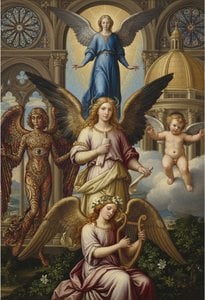
Explore the profound beauty of angelic figures in art history. From Renaissance masterpieces to celestial symbolism, our expert guide offers a sophisticated journey through the divine imagery of the Old Masters for discerning collectors and art enthusiasts.

Immerse yourself in the sacred grandeur of Baroque church interiors. Explore museum-quality, hand-painted oil reproductions and bespoke religious art commissions. From breathtaking frescoes to dramatic altarpieces, we bring historical majesty to your luxury space with unmatched expertise.
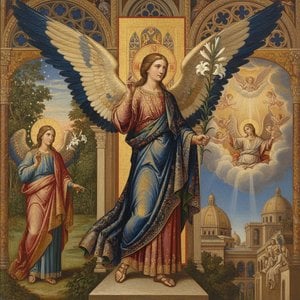
Explore the profound beauty of Angel Gabriel in art history. From Renaissance masterpieces to Baroque splendor, our expert guide delves into the sacred iconography and timeless techniques of these divine messengers for the discerning art enthusiast.

 실제 크기로 보기
 보내기
보내기 공유하기
공유하기
 상세 보기
상세 보기 가이드 보기

 이미지 다운로드
 유사 작품 더 보기
 X-레이
X-레이 슬라이드 쇼 보기
 통계 정보
통계 정보 상세 보기
상세 보기









 유리 옵션은 110cm 미만 크기에서만 선택 가능합니다.