미리보기미리보기 AR 미리보기AR 미리보기 손으로 그린 그림 구매 손으로 그린 그림 구매디지털 이미지로 전환 디지털 이미지로 전환 공유하기공유하기
상세 정보상세 정보 즐겨찾기에 추가 즐겨찾기에 추가 다운로드다운로드 유사 작품유사 작품 X-레이X-레이 슬라이드 쇼슬라이드 쇼 통계 정보통계 정보

The Akunda or Muda

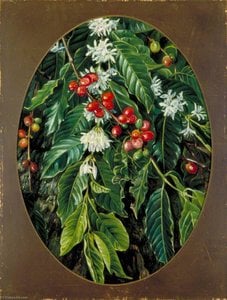
Admire Marianne North's stunning botanical painting 'The Akunda or Muda', showcasing vibrant purple flowers and lush green foliage. Explore Kew Gardens' gallery dedicated to her extraordinary legacy.

19세기 식물화가 마리안 노스! 빅토리아 시대의 용감한 여성 예술가로, 전 세계를 탐험하며 800여 점의 생생한 식물화를 남겼습니다. 런던 Kew Gardens에 있는 그녀만의 갤러리는 자연과 과학을 사랑하는 마음이 담긴 걸작들을 감상할 수 있는 특별한 공간입니다.

지클레 / 아트 프린트

빠른 제작과 다양한 마감 옵션을 제공하는 박물관 품질의 지클레이 또는 캔버스 프린트. (손으로 그린 그림 구매 손으로 그린 그림 구매디지털 이미지로 전환 디지털 이미지로 전환)

P118B $10
P118H $10
P118W $10
P438Z $10
P508JH $12
P508YH $12
P805H $10
P805Z $10
P919BZ $10
P919G $10
P919XJ $10
P959ZH $10
P968JZ $12
W106C $8
W218G $10
W218JH $8
W218Y $10
W307PJ $10
W316G $10
W316PJ $8
W316Y $10
W398PJ $8
W4111J $10
W500HY $15
W500JH $15
W692G $12
W849H $8
W940BG $15
W953PJ $8

표준 규격
맞춤형
CM
INCH

작품의 원본 비율을 유지하는 미리 설정된 크기 중에서 선택하세요.

가로 너비
세로 길이

특정 프레임이나 공간에 맞춰 직접 치수를 입력하실 수 있습니다. 선택하신 사이즈가 원본 이미지의 비율과 일치하지 않을 경우, 작품을 크롭(자르기)하거나 이미지를 대칭 또는 단색 채우기로 확장하여 제작합니다. 제작 시작 전, 최종 확인을 위해 디지털 목업이 전송됩니다.
화면상의 미리보기는 실제 크롭이나 확장 상태를 반영하지 않으므로, 최종 구도는 오직 목업을 통해서만 정확하게 확인하실 수 있습니다.
맞춤 사이즈 제작도 가능하지만, 원본 비율을 유지하기 위해서는 사전 정의된 목록에서 치수를 선택하시는 것을 권장합니다.

전 세계 배송()은 일반적인 4~5주의 소요 기간 대신 2주 이내에 완료됩니다. (11 9월)

why_choose_icon
전 세계 무료 특급 배송
why_choose_icon
프리미엄 린넨 캔버스
why_choose_icon
전체 배송 보험 보장
why_choose_icon
관세 환불 보장
why_choose_icon
실제 색상 일치 보장
why_choose_icon
100일 반품 정책 (결함 발생 시에만 적용)
why_choose_icon
100% 환불 보장
why_choose_icon
다량 구매 할인 혜택

총 합계 금액

$ 68

reproduction

The Akunda or Muda

지클레 / 아트 프린트

복제본 크기

-

최종 결제 금액

$ 68

작품 정보 요약

  • Movement: Botanical Art
  • Dimensions: 38 x 27.5 cm
  • Year: 1878
  • Notable elements or techniques: Detailed botanical illustration
  • Location: Royal Botanic Gardens, Kew
  • Title: The Akunda or Muda
  • Influences: Victorian Era

예술 상식 퀴즈

각 질문의 정답은 하나뿐입니다.

질문 1:
What is the artist of "The Akunda or Muda"?
질문 2:
In what year was "The Akunda or Muda" created?
질문 3:
What medium was used to create this painting?
질문 4:
Where is "The Akunda or Muda" currently housed?
질문 5:
What is a notable characteristic of Marianne North's artistic style?

The Akunda or Muda: A Botanical Symphony by Marianne North

Marianne North’s “The Akunda or Muda” isn't merely a painting; it’s a window into Victorian scientific curiosity blended seamlessly with artistic passion—a testament to a woman who defied societal expectations and dedicated her life to capturing the sublime beauty of the natural world. Completed around 1878, this oil on board masterpiece resides within the Marianne North Gallery in Richmond, Virginia, offering visitors an unparalleled opportunity to immerse themselves in the artist’s extraordinary vision.

Subject Matter & Composition

The painting depicts a vibrant plant specimen—likely a species endemic to Africa—characterized by striking purple flowers and lush green foliage. Its circular frame evokes the grandeur of a porthole or window, immediately establishing a connection between the viewer and the distant landscape depicted within. North’s meticulous attention to detail isn't simply decorative; it reflects her unwavering commitment to botanical accuracy – a cornerstone of Victorian scientific endeavor. The plant dominates the composition, its blossoms clustered at the apex, radiating outwards in an elegant spiral that draws the eye upwards. This deliberate arrangement underscores the artist’s fascination with patterns and forms found within nature.

Style & Technique: Realism Elevated

North's artistic style is firmly rooted in realism, yet transcends mere representation. She eschewed idealized depictions favored by many of her contemporaries, opting instead for a nuanced portrayal that captures the subtle textures and variations of color present in the plant itself. Her brushstrokes are confident and deliberate, conveying both precision and expressive energy. The artist skillfully employs chiaroscuro—the interplay of light and shadow—to sculpt the form of the plant and its surroundings, creating depth and dimensionality that invite contemplation. This technique elevates the painting beyond a simple botanical illustration, transforming it into an emotive experience for the observer.

Historical Context & Victorian Scientific Spirit

“The Akunda or Muda” emerged during the height of the Victorian era—a period marked by fervent exploration, scientific discovery, and a burgeoning appreciation for the natural world. Marianne North’s work embodies the spirit of this time, reflecting the influence of luminaries like Charles Darwin and Joseph Dalton Hooker who championed empirical observation as a path to understanding God's creation. The painting speaks to the Victorian fascination with exotic flora—species brought back from distant lands during expeditions—and serves as a visual record of scientific exploration. Furthermore, North’s decision to donate her extensive collection of paintings to Kew Gardens cemented her legacy as an advocate for botanical art and its role in furthering scientific knowledge.

Symbolism & Emotional Impact

Beyond its technical brilliance, “The Akunda or Muda” resonates with deeper symbolic meanings. The purple hue of the flowers—often associated with royalty, spirituality, and transformation—suggests a reverence for beauty and wonder. Simultaneously, the plant’s resilience—its ability to thrive in challenging environments—represents perseverance and adaptability. Viewing this artwork evokes feelings of tranquility, admiration, and connection to the natural world—a reminder that even within scientific precision lies an undeniable capacity for artistic expression and emotional resonance. It's a painting that invites us to pause, observe, and contemplate the extraordinary beauty hidden within the simplest forms of life.

작가 약력

빅토리아 시대의 개척자, 마리안느 노스: 식물과 예술로 세상을 탐험하다

마리안느 노스는 19세기 빅토리아 시대에 사회적 제약을 넘어 자연을 탐험하고 그 아름다움을 그림으로 기록한 놀라운 여성 예술가이자 과학자였습니다. 1830년 영국 헤이스팅스에서 태어난 그녀는 특권적인 환경 속에서 자랐지만, 음악 교육을 받던 중 목소리가 좋지 않다는 것을 깨닫고 꽃 그림에 몰두하게 됩니다. 어머니의 죽음 이후, 아버지와의 여행을 통해 풍부한 경험을 쌓았으며, 1869년 아버지의 서거 후에는 자신의 예술적 열정을 실현하기 위해 세계 각지로 떠나는 대담한 결정을 내립니다. 그녀의 삶은 단순한 그림 그리는 것을 넘어, 식물학적 관찰과 과학적 기록이라는 중요한 의미를 지니고 있었습니다. 급변하는 세상 속에서 사라져가는 식물들의 다양성을 기록하려는 열망은 그녀를 14년 동안 북미, 남아메리카, 아시아, 오세아니아 등 전 세계 17개국을 여행하게 만들었습니다.

자유로운 영혼과 섬세한 붓: 예술적 기법과 탐험의 여정

마리안느 노스의 그림은 빅토리아 시대 자연주의를 대표하는 작품으로 평가받습니다. 그녀는 주로 유화 물감을 사용하여 식물들의 형태뿐만 아니라 주변 환경, 빛과 그림자의 조화를 섬세하게 표현했습니다. 특히, 당시에는 흔하지 않았던 유화 기법을 통해 생생하고 깊이 있는 색감과 질감을 구현해냈으며, 이는 그녀의 작품에 독특한 매력을 더합니다. 그녀는 단순히 식물을 묘사하는 것을 넘어, 각 지역의 풍경과 분위기를 함께 담아내며 그림 속에 관람객을 초대하는 듯한 느낌을 선사합니다. 캐나다의 거대한 레드우드 나무가 파괴되는 것에 대한 안타까움을 표현하거나, 인도 북서부 아즈메르 호수의 아름다운 석양을 담은 작품들은 그녀의 예술적 재능과 더불어 자연에 대한 깊은 애정을 엿볼 수 있게 합니다.

식물학적 기록과 예술적 가치의 조화: 케우 정원의 유산

마리안느 노스의 가장 큰 업적 중 하나는 그녀가 남긴 방대한 작품들을 케우 정원에 기증하고, 이를 전시할 특별한 갤러리를 설립했다는 점입니다. 1882년, 그녀는 자신이 수집한 800여 점의 그림과 함께 갤러리 건설 자금을 제공하여 오늘날 ‘마리안느 노스 갤러리’로 알려진 공간을 탄생시켰습니다. 이는 케우 정원에서 여성 예술가가 갖는 영구적인 개인 전시회라는 역사적인 의미를 지니며, 그녀의 예술적 업적과 과학적 기여를 기념하는 중요한 장소입니다. 이 갤러리는 단순한 미술관이 아닌, 식물학 연구와 예술 감상의 조화를 추구하는 공간으로서, 전 세계에서 온 방문객들에게 영감을 불어넣고 있습니다.

빅토리아 시대 여성의 새로운 가능성: 사회적 의미와 현대적 영향

마리안느 노스는 빅토리아 시대의 엄격한 사회 규범 속에서 자신의 꿈을 향해 나아간 선구자적인 인물이었습니다. 그녀는 결혼 대신 독립적인 삶을 선택하고, 예술과 과학이라는 두 분야에서 뛰어난 업적을 남기며 여성의 가능성을 확장했습니다. 그녀의 작품은 19세기 급변하는 환경 속에서 사라져가는 식물들을 기록하는 귀중한 역사적 자료로서, 오늘날에도 생물 다양성 보존의 중요성을 일깨워주고 있습니다. 또한, 그녀의 용기와 열정은 현대 사회에서도 많은 여성들에게 영감을 주며, 예술과 과학을 융합하여 세상을 탐구하고 변화시키는 새로운 가능성을 제시합니다.

주요 작품

  • Foliage, Flowers and Fruit of the Cashew, Tanjore, India: 다채로운 색감으로 카슈미르 식물의 섬세한 디테일을 담아낸 작품
  • Elephants, Exotic Fish, and Leaf Insect: 동식물들이 자연 서식지에서 살아 숨쉬는 듯한 생동감을 표현
  • Tegoro, Sarawak: 울창한 열대 우림의 풍경을 사실적으로 묘사하여 깊은 인상을 남기는 작품
  • On the Way from Tibet near Nagkunda, North India: 히말라야 산맥의 웅장함을 담아낸 로맨틱 리얼리즘 스타일의 작품
  • Lake of Ajmere, North West India: 인도 북서부 아즈메르 호수의 아름다운 석양을 서정적으로 표현
마리애너 노스

마리애너 노스

1830 - 1890 , 영국

주요 정보

  • 국적: 영국
  • 영향을 준 예술가: ['조셉 달튼 후커']
  • 예술 사조: 빅토리아 자연주의
  • 전체 이름: 마리안 노스
  • 주요 작품:
    • 테고로, 사라와크
    • 티베트에서 온 길”, 북인도
    • 아즈메르 호수, 북서부 인도
    • 잎사귀, 꽃과 과일
    • 코코넛 야자나무, Tanjore, 인도
  • 출생일: 1830년 10월 24일
테마, 스타일 및 특징별로 분류된 작품들을 만나보세요.