Oil On BoardWallArtContemporary Realism
 187819th Century
 38.0 x 28.0 cm
 Marianne North Gallery
원하는 크기와 액자로 주문 제작되는, 작가들이 직접 캔버스에 손으로 그린 유화 작품입니다. ( 프린트 판매로 전환 디지털 이미지로 전환)





























작품의 원본 비율을 유지하는 미리 설정된 크기 중에서 선택하세요.

특정 프레임이나 공간에 맞도록 직접 크기를 입력할 수 있습니다. 선택하신 크기가 원본 이미지의 비율과 일치하지 않는 경우, 작품을 자르거나 추가적인 손으로 그린 요소를 사용하여 그림을 확장합니다. 제작 시작 전 승인을 위해 디지털 목업을 보내드립니다.
화면 미리 보기는 실제 자르기 또는 확장을 반영하지 않습니다. 최종 구성은 목업을 통해서만 정확하게 확인하실 수 있습니다.
맞춤 크기 제작도 가능하지만, 원본 비율을 유지하기 위해 사전 정의된 목록에서 크기를 선택하시는 것을 권장합니다.

The Akunda or Muda
복제본 크기
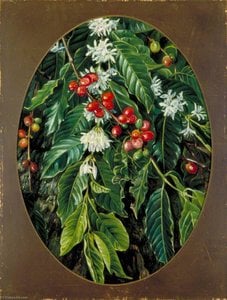
To encounter Marianne North’s “The Akunda or Muda” is to step through a portal, leaving behind the structured confines of the modern world and entering a realm of untamed botanical splendor. Painted around 1878, this oil on board masterpiece serves as much more than a mere scientific record; it is a vibrant, breathing symphony of color and life. North, a woman who famously traded the stifling expectations of Victorian domesticity for a life of global exploration, captures here a specimen that feels as though it might unfurl its petals right before the viewer's eyes. The composition is uniquely intimate, utilizing a circular frame that evokes the sensation of looking through a porthole or a heavy window into a distant, exotic landscape. This framing technique creates an immediate psychological connection, inviting collectors and art enthusiasts to peer into a secret, lush corner of the natural world.
The subject matter—a striking plant likely endemic to the African continent—is rendered with a breathtaking balance of scientific precision and artistic passion. The deep, royal purples of the blossoms dominate the upper reaches of the composition, arranged in an elegant, spiraling cluster that draws the eye upward in a rhythmic dance of growth. Surrounding these blooms are leaves of varying textures and shades of emerald and forest green, some glossy and light-catching, others curled and shadowed. This meticulous attention to botanical accuracy reflects North’s dual identity as both an artist and a self-taught biologist, making the piece a treasure for those who appreciate the intersection of natural science and fine art.
Technically, “The Akunda or Muda” is a triumph of late 19th-century realism. North eschewed the overly idealized, sanitized botanical illustrations common in her era, opting instead for a nuanced portrayal that embraces the complexity of nature. Through her masterful use of chiaroscuro—the dramatic interplay between light and shadow—she sculpts the form of each petal and leaf, lending the work a profound sense of three-dimensionality. The dark, receding background is not merely empty space; it acts as a velvet stage that pushes the vibrant flora forward, making the colors pop with an almost electric intensity. Her brushstrokes are confident and deliberate, possessing enough expressive energy to convey the soft, delicate texture of the flowers while maintaining the structural integrity of the stems.
For the interior designer or the discerning collector, this painting offers a sophisticated focal point that brings a sense of organic luxury to any space. The way the light seems to dance across the waxy surfaces of the foliage provides a dynamic quality that changes with the ambient lighting of a room. It is a piece that commands attention through its richness rather than through noise, offering a serene yet powerful presence. Whether placed in a sun-drenched morning room or a moody, library-style study, the artwork introduces a layer of historical depth and botanical elegance that transcends fleeting trends.
Beyond its aesthetic brilliance, the painting carries the emotional weight of Marianne North’s extraordinary life. Every stroke is infused with the spirit of an adventurer who traversed continents to document the world's most elusive flora. When viewing this work, one does not just see a plant; one feels the humidity of the jungle and the heat of the sun that North experienced during her travels. This sense of discovery adds a layer of narrative soul to the piece, making it a conversation starter for any collection. It is a testament to a woman who refused to be confined by the drawing rooms of England, choosing instead to find her freedom in the wild, untamed edges of the map.
Owning a high-quality reproduction of this masterpiece allows one to preserve this fleeting moment of Victorian discovery. It serves as a permanent reminder of the beauty found in the details of the natural world and the courage required to seek it out. For those looking to infuse their homes with a sense of wonder, history, and botanical grace, “The Akunda or Muda” stands as an enduring icon of the sublime.


1830 - 1890 , 영국
Discover the exquisite world of Victorian botanical art. Explore the intersection of scientific precision and luxury aesthetics through masterfully curated floral illustrations and hand-painted oil reproductions for discerning collectors and fine interiors.

Discover the breathtaking botanical world of Marianne North. Explore her vibrant Victorian oil paintings of exotic landscapes, from Brazil to Jamaica, through an expert art-historical lens. Perfect for classic art enthusiasts and collectors of fine natural history art.


 미리보기
미리보기
 공유하기
공유하기 공유하기
공유하기
 상세 정보
상세 정보 Guide
Guide

 다운로드
다운로드
 유사 작품
유사 작품 X-레이
X-레이 슬라이드 쇼
 통계 정보
통계 정보 더 보기
더 보기









 유리 옵션은 110cm 미만 크기에서만 선택 가능합니다.