빠른 제작과 다양한 마감 옵션을 제공하는 박물관 수준의 지클레이 및 캔버스 프린트. ( 수작업 채색 복제본 주문하기 디지털 이미지로 전환)





























작품의 원본 비율을 그대로 유지하는 프리셋 사이즈 중에서 선택해 보세요.

액자나 벽면 크기에 맞춰 필요한 가로와 세로 길이를 입력해 주세요. 프린트는 원본 이미지보다 크게 제작할 수 없으며 오직 자르는 것만 가능하므로, 비율이 다른 사이즈를 선택할 경우 이미지의 일부가 잘려 나갈 수 있습니다. 인쇄 작업에 들어가기 전, 최종 확인을 위해 디지털 목업을 보내드립니다. 이 페이지에 표시된 이미지는 실제 잘리는 영역을 나타내지 않으며, 오직 목업을 통해서만 정확한 확인이 가능합니다.
The Siphon
복제본 크기
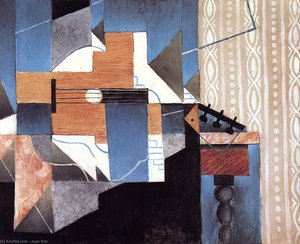
Juan Gris's "The Siphon," created in 1913, stands as a pivotal work within the Synthetic Cubist movement. This oil on canvas (81 x 65 cm), currently residing at the Rose Art Museum, exemplifies Gris’s unique approach to abstraction – one that grounded itself in recognizable objects while dismantling traditional representational techniques. The painting depicts a commonplace kitchen scene—a vase, bottles, cups, and a chair—rendered through a fractured lens of geometric shapes and muted colors.
The artwork's power lies in its deliberate fragmentation. Gris doesn’t aim to depict the objects as they appear from a single viewpoint; instead, he presents them simultaneously from multiple perspectives, breaking them down into interlocking planes and geometric forms. This technique, characteristic of Synthetic Cubism, moves beyond the Analytical Cubism that preceded it by incorporating simpler shapes and flatter areas of color. The monochromatic palette—primarily blues, grays, and whites with subtle accents of red and brown—contributes to a sense of harmony and balance despite the apparent chaos of fragmented forms. Overlapping planes create an illusion of depth within the flattened picture plane, while sharply defined lines add dynamism and visual interest.
"The Siphon" emerged during a period of radical artistic experimentation in the early 20th century. Following the pioneering work of Pablo Picasso and Georges Braque in Analytical Cubism, Gris spearheaded the development of Synthetic Cubism. This new phase emphasized simplification, collage elements (though absent here), and a greater emphasis on color. Gris’s approach was notably more structured and mathematically precise than that of his contemporaries, reflecting his engineering background. He sought to create a rational order within abstraction, using geometric forms to construct a coherent visual language.
While seemingly depicting mundane objects—a kitchen still life—"The Siphon" transcends mere representation. The fragmentation of these familiar items invites viewers to reconsider their perception of reality. The geometric abstraction evokes a sense of intellectual engagement rather than purely emotional response. There's a quiet dignity in the way Gris elevates everyday objects to the realm of high art, transforming them into complex visual puzzles. The muted color palette and carefully balanced composition create an atmosphere of contemplative stillness, inviting viewers to pause and appreciate the beauty inherent in deconstructed form.
Juan Gris (1887-1927) was a Spanish painter who became a central figure in the Cubist movement. Born José Victoriano González-Pérez, he adopted the pseudonym Juan Gris and moved to Paris in 1906, where he encountered influential artists like Matisse, Braque, and Picasso. His unique contribution lay in his systematic approach to Cubism, emphasizing geometric precision and a more structured composition than many of his contemporaries. Other notable works by Gris include "Glass of beer and playing cards" and "Newspaper and Fruit Dish," further demonstrating his mastery of Synthetic Cubism and his ability to transform ordinary subjects into extraordinary works of art.
후안 그리스의 "The Siphon"은(는) Softly Mixed Palette 색채 조화를 보여줍니다.
원작 후안 그리스의 "The Siphon"은(는) 크기 81 x 65 cm의 Oil On Canvas 작품입니다. 기법과 크기는 원작의 정보를 나타냅니다.
Synthetic Cubism 사조 내에서, "The Siphon"은(는) Recognized 정도의 인지도를 보유하고 있습니다.

1887년 3월 23일, 스페인 마드리드에서 호세 빅토리아노 곤살레스-페레즈라는 이름으로 태어난 그는 훗날 후안 그리스라는 이름으로 세상에 알려지게 됩니다. 14명의 자녀 중 열세 번째로 태어난 그는 북적이는 대가족의 품 안에서 성장했습니다. 사업가로서 성공한 아버지 그레고리오 곤살레스 덕분에, 스페인의 수도 마드리드에서 보낸 그의 유년 시절은 매우 안정적인 환경 속에서 형성되었습니다.
그의 초기 교육은 마드리드 예술과학학교에서 공학을 공부하며 기술적인 방향으로 흘러갔습니다. 이 시기의 학문적 경험은 훗날 그의 시각 예술 작업에서 나타나는 구조적 논리력의 밑바탕이 되었습니다. 비록 당시의 주된 관심사는 설계의 메커니즘에 있었으나, 내면에는 이미 창조적인 충동이 꿈틀대고 있었습니다. 1904년과 1905년 사이, 그는 학구적인 화가인 호세 모레노 카르보네로 아래에서 회화를 공부하며 예술적 훈련을 본격화하기 시작했습니다. 이 짧지만 중요한 배움의 시간은 그의 기술적 배경과 새롭게 피어나는 시각적 언어 사이의 간극을 메워주는 가교 역할을 했습니다.
1905년에 이르러 그는 후안 그리스라는 새로운 이름을 채택하며 정체성의 전환을 맞이합니다. 이러한 변화는 호세 빅토리아노 곤살레스-페레즈라는 과거의 모습에서 벗어나 삶의 새로운 방향을 선포하는 신호탄이었습니다. 그는 공학이 요구하는 엄격한 규칙들로부터 멀어져, 비록 구조적이면서도 훨씬 더 유연하고 역동적인 시각적 재현의 세계로 발을 내디뎠습니다.
1906년 파리로의 이주는 그의 삶의 궤적을 완전히 바꾸어 놓은 결정적인 사건이었습니다. 1909년에 이르러 그는 루 드 라비냐(Rue Ravignan) 13번지에 위치한 바토 라부아르(Bateau-Lavoir)에서 생활하며, 끊임없는 움직임과 예술적 교류가 공존하는 역동적인 공간의 일부가 되었습니다. 그 시절 그는 풍자 만화가로서 활동하며 날카로운 시각을 연마했으나, 1911년경부터는 본격적으로 회화의 세계로 발을 내딛기 시작했습니다. 그는 삽화의 세계를 뒤로하고 캔버스 앞에 서서, 자신을 둘러싼 사물들을 더욱 구조적이고 본질적인 방식으로 바라보는 새로운 시각을 갈구했습니다.
그의 존재감이 파리 예술계에 공식적으로 각인된 것은 1912년이었습니다. 그해 살롱 데 앵데팡당(Salon des Indépendants)에서 처음으로 작품을 선보이며 그는 화려하게 등장했습니다. 이 시기는 그에게 있어 급격한 예술적 도약의 시대였습니다. 그는 야수파의 감정적이고 표현적인 색채에서 벗어나, 사물을 해체하고 재구성하는 쿠비즘의 파편화된 논리로 나아갔습니다. 그의 예술적 영토는 프랑스를 넘어 스페인 바르셀로나의 갤러리 달모(Galeries Dalmau)에서 열린 쿠비즘 미술 전시회에까지 닿았습니다. 또한 1912년경 화랑 주인 다니엘 앙리 칸바일러(Daniel-Henry Kahnweiler)와 계약을 맺음으로써, 회화적 공간을 재정의하고 있던 전위적인 예술가들의 중심부에서 자신의 입지를 확고히 다지게 되었습니다.
그가 캔버스를 구축해 나가는 방식에는 특유의 수학적 논리가 깃들어 있습니다. 공학을 전공했던 그의 배경은 기하학적 형태와 파편화된 형상을 다루는 방식에서 고스란히 드러나며, 구도를 다룰 때 보여주는 정적이고도 계산된 정밀함은 실로 경이롭습니다. 그는 단순히 대상을 해체하는 것에 그치지 않고, 일련의 교차하는 평면들을 통해 대상을 재구성합니다. 그의 수많은 작품 속에서 그는 초기 입체주의에서 나타나던 혼란스럽고 산산조각 난 듯한 추상성에서 벗어나, 보다 조직적이고 명료한 구조를 선택합니다. 이러한 명료함은 종종 회색, 검은색, 흰색의 절제된 팔레트를 통해 구현되며, 이는 관찰자의 시선이 각 형태의 무게감과 배치에 집중하도록 유도합니다.
그의 손길은 일상의 질감을 다루는 데 있어 특히 탁월했습니다. 그는 대부분의 사람들이 무심코 지나칠 법한 재료들을 다루는 거장이었으며, 신문지나 벽지, 그리고 기타 상업적으로 인쇄된 물건이나 일상에서 발견한 오브제들을 작품의 구성 요소로 직접 통합시켰습니다. 그는 이러한 조각들을 다루는 자신만의 특별한 방식을 가지고 있었는데, 여러 종이가 만나는 접점에 검은색 매체를 사용하여 이음매를 교묘하게 숨겼습니다. 이러한 기법은 마치 경계가 없는 듯한 환상을 만들어내어, 서로 다른 층들이 조각들의 집합이 아닌 하나의 통일된 표면처럼 보이게 했습니다. 심지어 그는 인쇄된 종이의 패턴을 세심하게 맞추어, 종이의 가장자리가 작품 속으로 자연스럽게 녹아들어 사라지도록 만들기도 했습니다.
1914년, 빛과 사물이 공간을 점유하는 방식에 대한 깊은 통찰을 보여주는 꽃(Flowers)과 햇빛을 가리는 블라인드(The Sunblind)가 세상에 모습을 드러냈습니다. 이어 1915년 6월에는 구성미의 정수를 보여주는 열린 창문 앞의 정물, 라비니앙 광장(Still Life before an Open Window, Place Ravignan)이 완성되었습니다. 이 작품은 서로 교차하는 평면들을 통해 깊이감을 구축하며, 관람객을 정돈되고 고요한 장면 속으로 끌어들입니다. 형태들이 겹쳐지며 만들어내는 특유의 질서는 창문과 그 안의 사물들을 날카로운 기하학적 각도들로 재구성하며 독특한 조화를 이룹니다.
그 이후의 세월은 더욱 개인적인 주제와 복잡한 질감으로의 변화를 보여주었습니다. 1916년 10월에 그려진 조제트 그리스의 초상(Portrait of Josette Gris)은 절제된, 거의 단색에 가까운 시선을 통해 대상을 포착해냈습니다. 이러한 접근 방식은 불필요한 세부 사항을 걷어내고 선의 리듬에 집중하게 만듭니다. 이후 1919년에는 테이블 앞의 할리퀸(Harlequin at a Table)이 캔버스 위에 색다른 에너지를 불어넣었으며, 입체주의의 파편화된 언어를 사용하여 장면을 유기적으로 조직해냈습니다. 생의 마지막 시기인 1927년경에는 기타와 악보(Guitar and Music Paper)가 탄생했는데, 이 작품은 단순한 형태들의 상호작용과 종이가 주는 촉각적인 암시를 통해 예술적 깊이를 완성했습니다.
후안 그리스는 공유된 아이디어와 끊임없이 변화하는 관점이 교차하는 곳, 파리 아방가르드의 긴밀한 예술적 네트워크 속에서 활동했습니다. 그의 예술적 뿌리는 폴 세잔이 닦아놓은 토양에 닿아 있으며, 특히 형태와 공간의 근본적인 구조를 탐구했던 세잔의 방식에서 깊은 영감을 받았습니다. 이러한 지적인 접근 방식은 후안 그리스가 입체주의의 주요 혁신가들 사이에서 자신만의 독보적인 위치를 구축할 수 있게 한 원동력이 되었습니다. 그는 파블로 피카소, 조르주 브라크와 같은 거장들과 같은 궤도에서 활동하며 입체주의를 이끈 세 명의 핵심 인물 중 한 명으로 자리매김했습니다. 비록 그들로부터 예술적 방향성을 찾기도 했으나, 그의 행보는 단순한 모방에 그치지 않았습니다. 그는 동시대 예술가들의 직관적인 실험과는 확연히 구별되는, 수학적 정밀함을 캔버스 위에 구현해 냈습니다.
당시 예술가들 사이의 관계는 매우 복잡하고 미묘했습니다. 피카소로부터 깊은 영향을 받았음에도 불구하고, 두 사람 사이에는 명백한 긴장감이 흐르고 있었습니다. 한 관찰자는 피카소가 유일하게 멀리하고 싶어 했던 인물이 바로 후안 그리스였다고 회고했는데, 이는 당시 예술계가 얼마나 치열하고 경쟁적이었는지를 잘 보여주는 대목입니다. 이러한 갈등 속에서도 후안 그리스는 입체주의라는 장르가 발전하는 과정에서 결코 빠질 수 없는 중심축이었습니다. 그는 입체주의가 초기 분석적 단계에서 벗어나, 후기 입체주의를 정의하는 더욱 구조적이고 종합적인 구성으로 나아가는 데 결정적인 역할을 했습니다. 그는 단순히 타인의 뒤를 따르는 것에 머물지 않고, 입체주의라는 거대한 흐름을 더욱 조직적이고 명료한 논리의 세계로 인도한 선구자였습니다.
후안 그리스는 단순히 앞서간 이들이 닦아놓은 길을 뒤따라가는 것에 머물지 않았습니다. 그는 초기 입체주의의 토대 위에서 자신만의 예술적 지평을 넓혔으며, 동시대 예술가들이 보여준 파편화된 추상성에서 벗어나 입체주의라는 운동을 새로운 방향으로 이끌었습니다. 그의 회화는 대담하고 그래픽적인 미감을 지니고 있어, 피카소나 브라크의 작품과는 단번에 구별되는 독보적인 존재감을 드러냅니다. 특히 공학을 공부했던 과거의 이력이 투영된 듯, 구도를 다루는 방식에 있어 계산된 정밀함과 명료함이 느껴집니다. 그는 단순히 사물을 해체하는 것에 그치지 않고, 질서와 구조적 논리를 바탕으로 사물을 새롭게 재구성해냈습니다.
그의 진정한 영향력은 입체주의를 분석적 단계에서 보다 종합적인 접근 방식으로 전환시킨 지점에서 빛을 발합니다. 질감과 패턴을 과감하게 도입함으로써, 그는 깊은 공간에 대한 환영을 만들기보다는 캔버스의 평면성을 강조하는 새로운 시각적 문법을 정의하는 데 기여했습니다. 이러한 방식은 회화라는 행위를 기하학적 평면과 색채의 정교한 배치로 변모시켰습니다. 오늘날까지도 그의 작품은 파편화된 요소들을 어떻게 조화로운 디자인적 통일성으로 승화시킬 수 있는지를 보여주는 위대한 연구 과제로 남아 있습니다.
후안 그리스의 예술적 발자취를 따라가는 여정은 세계 곳곳의 주요 컬렉션을 관통하는 긴 여행과도 같습니다. 스페인 마드리드에서는 레이나 소피아 국립 미술관이 그의 작품 13점을 소장하며 그의 예술적 성장을 보여주는 중요한 지표가 되어주고 있습니다. 같은 도시의 티센-보르네미사 미술관 또한 두 점의 걸작을 간직하고 있습니다. 이러한 스페인의 컬렉션들은 마드리드라는 뿌리에서 시작된 그의 예술이 어떻게 훗날의 급진적인 구조적 혁신으로 변모해 갔는지를 극명하게 보여줍니다.
그가 파리에서 보낸 찬란한 세월을 반영하듯, 그의 수많은 작품은 여전히 프랑스에 머물고 있습니다. 퐁피두 센터에는 네 점의 작품이, 오테를로의 크뢰러 뮐러 미술관에는 아홉 점의 작품이 소장되어 있습니다. 이 작품들은 종이와 물감을 겹겹이 쌓아 올려 깊이감을 만들어낸 그의 독창적인 기법을 고스란히 드러냅니다. 기하학적 형태의 날카로운 경계선과 질감, 그리고 색채에 대한 그의 실험 정신은 이 미술관의 회랑 속에서 여전히 살아 숨 쉬고 있습니다.
대서양 건너편에서는 필라델피아 미술관이 세 점의 작품을 보관하고 있습니다. 이처럼 서로 다른 환경에서 그의 회화를 마주하다 보면, 그가 선택한 재료에 따라 공간과 빛을 다루는 방식이 얼마나 섬세하게 변화했는지를 깨닫게 됩니다. 어떤 작품은 압도적인 규모로 관람객을 맞이하고, 또 다른 작품들은 일상의 사물들이 자아내는 정적이고 고요한 배치를 통해 깊은 울림을 선사합니다.

1887 - 1927 , 스페인

Explore the profound evolution of Cubism through an expert analysis of Pablo Picasso's revolutionary works. From Analytical to Synthetic Cubism, discover the techniques that redefined modern art and learn how to curate these iconic masterpieces for your private collection.

Journey through the revolutionary world of Georges Braque. Explore 25 iconic Cubist masterpieces, from geometric abstractions to timeless still lifes. Find inspiration for your collection with museum-quality art reproductions. Discover all masterpieces on WahooArt.com.

Discover the profound legacy of Georges Braque. Our expert guide explores the evolution of Cubism, from Analytic deconstruction to Synthetic innovation, offering deep insights for discerning art collectors and connoisseurs of modern masterpieces.

Master the complexities of Cubist composition with our expert guide. Explore analytical techniques, geometric deconstruction, and the art of simultaneous perspective to deepen your appreciation for this avant-garde movement.

Compare the Analytic and Synthetic phases of Cubism and explore the key artists who revolutionized 20th-century art
 미리보기
미리보기
 공유하기
공유하기 공유하기
공유하기
 상세 정보
상세 정보 가이드 보기

 다운로드
다운로드
 유사 작품 더 보기
 X-레이
X-레이 슬라이드 쇼 보기
 질의응답
질의응답
 통계 정보
통계 정보

 더 보기
더 보기









 유리 옵션은 110cm 미만 크기에서만 선택 가능합니다.