

작가가 직접 캔버스에 손으로 그린 유화 작품으로, 원하는 크기와 액자로 맞춤 제작해 드립니다. ( 프린트 판매로 전환 디지털 이미지 판매 채널로 전환)
작품의 원본 비율을 그대로 유지하는 프리셋 사이즈 중에서 선택해 보세요.

액자나 벽면 크기에 맞춰 필요한 가로와 세로 길이를 입력해 주세요. 본 작품은 수작업으로 제작되므로, 요청하신 비율에 따라 작가가 그림의 가장자리를 조금 더 넓게 그리거나 일부를 조정하여 작업할 수 있습니다. 작업 시작 전, 최종 확인을 위해 디지털 목업 이미지를 보내드립니다. 이 페이지에 표시된 이미지는 실제 결과물과 다를 수 있으며, 오직 목업 이미지만이 정확한 결과물을 보여줍니다.
Self Potrait
복제본 규격

In the grand tapestry of British art history, few figures possess a dual significance as profound as Joseph Farington. While his brush captured the serene, topographical essence of the English landscape, his pen immortalized the very soul of the eighteenth- and nineteenth-century art world. Born in 1747 in Leigh, Lancashire, Farington was raised in an environment of intellectual rigor, the son of a rector whose influence instilled in him a lifelong devotion to observation. His early years were shaped by both the quietude of rural life and the far-reaching shadows of family tragedy, yet it was his move toward the artistic epicenter of London that would ultimately define his destiny. Under the tutelage of the esteemed Richard Wilson, Farington transitioned from a talented student to a master of detail, learning to translate the rugged beauty of the Lake District and the rhythmic flow of the River Thames onto canvas with an almost scientific precision.
Farington’s artistic evolution was deeply intertwined with the rise of the Royal Academy. As he ascended through the ranks—becoming an Associate in 1783 and a full Royal Academician in 1785—his work became more than mere documentation; it became a romanticized dialogue between man and nature. His landscapes, characterized by their meticulous topographical accuracy, offered a window into a Britain undergoing profound transformation. Whether depicting the haunting ruins of Roslyn Castle or the bustling vitality of Westminster Abbey and Bridge, Farington possessed a unique ability to imbue static scenery with a sense of temporal weight. His technique, rooted in the traditions of his mentor Wilson, utilized light and texture to evoke the atmospheric shifts of the English countryside, making him a pivotal bridge between the classical landscape traditions and the burgeoning Romantic movement.
Beyond the borders of his canvases, Farington’s most enduring contribution to history lies in his voluminous, meticulously kept diaries. To read Farington is to step into the heated corridors of the Royal Academy during its most formative and contentious years. He was not merely a passive observer but an active participant in the institutional politics that shaped British art. His writings provide an unparalleled, often biting, look at the personalities, rivalries, and scandals that defined his contemporaries. From the debates surrounding the presidency of Benjamin West to the social nuances of London’s elite, Farington recorded it all with a sharp, discerning eye.
His diaries serve as a vital primary source for historians, offering insights that no formal gallery catalogue could provide. Through his entries, we encounter the following elements of the era:
Ultimately, Joseph Farington remains a monumental figure whose importance transcends the medium of his work. As a painter, he preserved the physical landscape of a nation; as a diarist, he preserved its cultural memory. His life was a testament to the power of observation, proving that whether through the delicate application of oil or the rhythmic scratch of a quill, the act of witnessing is one of the highest forms of art.
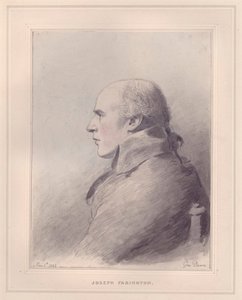
1747 - 1821 , United Kingdom

Explore the profound secrets of classical oil painting. From the delicate mastery of glazing to the dramatic depth of chiaroscuro, discover the timeless techniques used by Old Masters to create enduring, museum-quality masterpieces that capture light and emotion.

 실제 크기로 보기
 보내기
보내기 공유하기
공유하기
 상세 보기
상세 보기 가이드 보기

 이미지 다운로드
 유사 작품 더 보기
 X-레이
X-레이 슬라이드 쇼 보기
 통계 정보
통계 정보
 상세 보기
상세 보기






































 유리 옵션은 110cm 미만 크기에서만 선택 가능합니다.


