
x































작품의 원본 비율을 유지하는 미리 설정된 크기 중에서 선택하세요.

특정 프레임이나 공간에 맞도록 직접 크기를 입력할 수 있습니다. 선택하신 크기가 원본 이미지의 비율과 일치하지 않는 경우, 작품을 자르거나 추가적인 손으로 그린 요소를 사용하여 그림을 확장합니다. 제작 시작 전 승인을 위해 디지털 목업을 보내드립니다.
화면 미리 보기는 실제 자르기 또는 확장을 반영하지 않습니다. 최종 구성은 목업을 통해서만 정확하게 확인하실 수 있습니다.
맞춤 크기 제작도 가능하지만, 원본 비율을 유지하기 위해 사전 정의된 목록에서 크기를 선택하시는 것을 권장합니다.

Hugh William Williams
복제본 크기
Henry Raeburn’s “Hugh William Williams,” painted circa 1818, is more than a simple portrait; it's a carefully constructed window into the heart of the Scottish Highlands and a testament to the artist’s mastery of capturing both likeness and atmosphere. The subject, Hugh William Williams, a prominent watercolourist known for his evocative depictions of the region, is presented in a three-quarter pose, seated within a richly detailed interior that subtly anchors him to a specific place and time. The painting immediately draws the eye with its restrained palette – primarily cool blues, greens, and browns – mirroring the muted tones of the landscape beyond the window, creating an immediate sense of tranquility and contemplative observation.
Raeburn’s technique is a remarkable blend of realism and impressionism. He employs a meticulous attention to detail, evident in the rendering of Williams' clothing – the texture of the fabric, the subtle folds, and the precise depiction of his watch chain—yet simultaneously utilizes loose brushstrokes and carefully placed highlights to evoke the diffused light filtering through the window. The artist masterfully manipulates chiaroscuro, employing strong contrasts between light and shadow to sculpt Williams’ face and hands, lending them a palpable sense of volume and presence. Notice particularly how Raeburn uses subtle gradations of tone to suggest the depth of the room – the receding wall, the shadowed corner—creating an illusion of spatial realism that belies the painting's relatively small scale.
To fully appreciate “Hugh William Williams,” it’s crucial to understand the artistic landscape of early 19th-century Scotland. Following in the footsteps of his predecessor, Sir Henry Raeburn, a Scottish Master of Realism, Williams was part of a burgeoning movement that sought to establish portraiture as a distinctly national art form. Raeburn's success paved the way for other Scottish artists to gain recognition within the Royal Academy and beyond. The painting reflects this shift—a move away from purely formal, aristocratic portraits towards a more intimate and character-driven approach, capturing not just outward appearance but also the personality and spirit of the subject. Williams himself was a significant figure in this movement, known for his own landscape paintings that celebrated the beauty and ruggedness of the Scottish Highlands.
Beyond its technical brilliance, “Hugh William Williams” is rich in subtle symbolism. The window itself serves as a crucial element, framing the scene and acting as a visual metaphor for contemplation and connection to nature. The books stacked on the table suggest Williams’ intellectual pursuits and his engagement with the wider world of art and knowledge. The overall mood of the painting—serene, thoughtful, and slightly melancholic—reflects the quiet dignity of the subject and evokes a sense of nostalgia for a bygone era. It's not merely a portrait; it’s an invitation to step into another time and place, to share in Williams’ contemplative gaze.
“Hugh William Williams” remains a captivating example of Henry Raeburn’s artistic vision and a poignant representation of Scottish identity. Reproductions of this iconic painting continue to resonate with viewers today, offering a glimpse into the beauty and spirit of the Highlands—a timeless testament to the power of art to capture both the physical landscape and the human soul.


1756 - 1823 , 영국
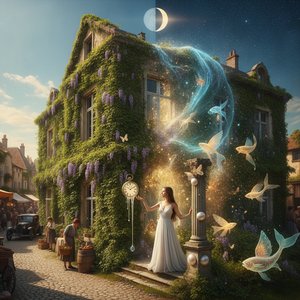
Explore the enigmatic world of Magic Realism. From its German origins to Latin American mastery, discover how this sophisticated movement blends reality with the extraordinary—perfect for discerning collectors seeking depth and wonder in fine art.

Transform your most cherished family memories into breathtaking oil masterpieces. Discover the elegance of bespoke, hand-painted portrait commissions, meticulously crafted by academy-trained artists to create a timeless legacy for your home and generations to come.


최신 미술 뉴스, 특별 혜택 및 인테리어 아이디어를 가장 먼저 만나보세요.
프로젝트에 대해 알려주시면 저희 미술 전문가들이 맞춤형 아트 제안 3가지를 전달해 드립니다.
당신만을 위한 맞춤형 옵션 3가지를 무료로 추천해 드립니다!


 미리보기
미리보기
 프린트 구매
 공유하기
공유하기 공유하기
공유하기
 상세 정보
상세 정보

 다운로드
다운로드
 유사 작품
유사 작품 X-레이
X-레이 슬라이드 쇼


 더 보기
더 보기









 유리 옵션은 110cm 미만 크기에서만 선택 가능합니다.


