x


 Pre-Raphaelite Romanticism
 1917Renaissance
 90.0 x 144.0 cm
 Auckland Art Gallery Toi o Tāmaki




























작품의 원본 비율을 유지하는 미리 설정된 크기 중에서 선택하세요.

특정 프레임이나 공간에 맞도록 직접 크기를 입력할 수 있습니다. 선택하신 크기가 원본 이미지의 비율과 일치하지 않는 경우, 작품을 자르거나 추가적인 손으로 그린 요소를 사용하여 그림을 확장합니다. 제작 시작 전 승인을 위해 디지털 목업을 보내드립니다.
화면 미리 보기는 실제 자르기 또는 확장을 반영하지 않습니다. 최종 구성은 목업을 통해서만 정확하게 확인하실 수 있습니다.
맞춤 크기 제작도 가능하지만, 원본 비율을 유지하기 위해 사전 정의된 목록에서 크기를 선택하시는 것을 권장합니다.

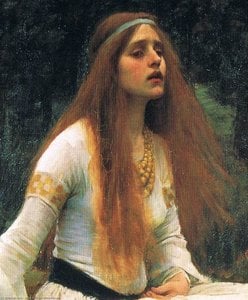
Lamia
복제본 크기
John Waterhouse’s “Lamia” is more than simply a depiction of a classical scene; it's an immersive experience, a carefully constructed tableau designed to evoke the very essence of Keats’s poem. Painted in 1917, this work exemplifies Waterhouse’s masterful command of Pre-Raphaelite aesthetics – a style characterized by meticulous detail, luminous color palettes, and a profound reverence for medieval and Renaissance art. The scene unfolds within the shadowed depths of an ancient Greek hillside, rendered with a sensitivity to light and atmosphere that borders on the ethereal. The knight's posture, rigid yet yearning, combined with Lamia’s melancholic grace, creates a palpable tension – a frozen moment of both desire and impending doom.
(Image of Lamia by John Waterhouse)
Waterhouse’s interpretation is deeply rooted in Keats's original poem. The title itself, “Lamia,” immediately establishes the subject – a monstrous woman transformed from human beauty through divine retribution. However, it’s not merely a retelling of the myth; Waterhouse subtly shifts the focus to the knight’s perspective. His intense gaze, directed solely at Lamia, speaks volumes about his captivated vulnerability. The positioning—kneeling before her, hand outstretched – suggests a willing surrender to an irresistible force, mirroring the poem's exploration of obsessive love and fatal attraction. The ‘evening dim at moth time,’ so vividly described by Keats, is meticulously recreated through Waterhouse’s use of muted tones and atmospheric haze, amplifying the sense of mystery and foreboding.
Waterhouse's technical skill is immediately apparent in the rendering of texture. The armor gleams with a realistic sheen, reflecting the light while simultaneously conveying its protective function. The fabric of Lamia’s garment – subtly textured to suggest scales – provides a crucial visual clue to her true nature, a delicate yet unsettling detail that avoids overt horror. The peacock hues within the ‘snake-skin’ draped around her are not merely decorative; they directly reference Keats's evocative description, grounding the painting firmly in the poem’s imagery and reinforcing the theme of transformation and corruption. The inclusion of the two swords adds a layer of narrative complexity, hinting at conflict and potential violence – a stark contrast to Lamia’s initial allure.
"Lamia" represents a pivotal moment in Waterhouse's artistic development. Initially working in the style of Lawrence Alma-Tadema, he gradually embraced the Pre-Raphaelite Brotherhood’s romantic vision, finding inspiration in Arthurian legends and medieval themes. This painting showcases his mastery of this style, demonstrating his ability to seamlessly blend classical subject matter with a distinctly Pre-Raphaelite sensibility. Waterhouse's "Lamia" remains a powerful example of the movement's influence, captivating viewers with its beauty, mystery, and profound exploration of human emotion – a testament to Waterhouse’s enduring artistic legacy.


1849 - 1917 , 이탈리아

Explore the breathtaking world of the Pre-Raphaelite Brotherhood. Discover how this movement redefined Victorian art through vivid detail, mythological depth, and romanticism. An expert guide for classic art enthusiasts seeking to rediscover these timeless masterpieces.

Delve into the breathtaking Pre-Raphaelite Revolution. Explore the vivid colors, intricate details, and romantic symbolism of masters like Rossetti and Millais in this authoritative journey through 19th-century art history for true enthusiasts.

Embark on a sophisticated journey through the eternal allure of mythological art. Discover how master painters breathe life into ancient legends, from Greek deities to Baroque masterpieces, and learn to curate these timeless narratives within your own exquisite art collection.


최신 미술 뉴스, 특별 혜택 및 인테리어 아이디어를 가장 먼저 만나보세요.
프로젝트에 대해 알려주시면 저희 미술 전문가들이 맞춤형 아트 제안 3가지를 전달해 드립니다.
당신만을 위한 맞춤형 옵션 3가지를 무료로 추천해 드립니다!


 미리보기
미리보기
 프린트 구매
 공유하기
공유하기 공유하기
공유하기
 상세 정보
상세 정보

 다운로드
다운로드
 유사 작품
유사 작품 X-레이
X-레이 슬라이드 쇼
 더 보기
더 보기









 유리 옵션은 110cm 미만 크기에서만 선택 가능합니다.