Echo and Narcissus: A Pre-Raphaelite Meditation on Desire and Reflection
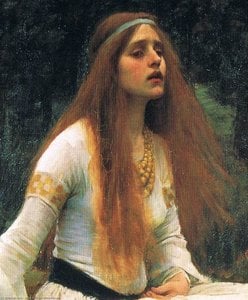
John William Waterhouse’s “Echo and Narcissus,” completed in 1903, transcends mere depiction; it embodies the very essence of Romanticism infused with Classical influences. This masterpiece captures a pivotal moment from Ovid's Metamorphoses – the tragic tale of Echo, cursed by Juno to repeat only the words uttered by others, and Narcissus, consumed by an obsessive fascination with his own reflection. Waterhouse’s meticulous attention to detail and masterful use of color elevate this artwork beyond a simple narrative illustration into a profound exploration of human psychology and artistic vision.
- Composition: The canvas is divided into two distinct zones—a shadowy foreground dominated by Narcissus’ reclining figure and the tranquil waterside, contrasted against a richly textured woodland backdrop. Waterhouse employs dynamic diagonal lines to guide the viewer's gaze across the scene, creating an immersive experience that draws attention to both central character and expansive landscape.
- Color Palette: The painting’s color scheme is deliberately muted, favoring earthy greens, browns, and dusky reds—a palette characteristic of Victorian artistic sensibilities. Subtle blues and greens shimmer within the water surface, harmoniously complementing the warmer hues of Narcissus' clothing and enhancing the overall mood of contemplative melancholy.
- Technique: Waterhouse’s brushwork is exceptionally refined, demonstrating a mastery of glazing techniques that imbue the canvas with luminous depth and textural richness. The artist skillfully captures the interplay of light and shadow, creating an atmosphere both ethereal and grounded—a hallmark of Pre-Raphaelite painting.
Mythological Resonance: Echo and Narcissus Revisited
The narrative itself draws heavily from Ovid’s Metamorphoses, a cornerstone of Classical literature that explores themes of love, loss, vanity, and divine retribution. Juno, enraged by Zeus' infidelity, curses Echo with the inability to initiate speech, forever condemning her to repeat the words of others—a poignant symbol of silenced longing and unfulfilled desire. Narcissus’s obsession with his own reflection represents the ultimate manifestation of egotism and self-absorption—a fatal flaw that leads to his demise. Waterhouse brilliantly conveys this psychological drama through expressive poses and subtle gestures, inviting viewers to contemplate the complexities of human emotion.
- Symbolism: The lily and narcissus flowers serve as potent emblems of purity and self-love respectively—contrasting motifs that underscore the central conflict between Narcissus’s inward gaze and Echo’s yearning for connection.
- Emotional Depth: Waterhouse's masterful portrayal captures the palpable sorrow and despair experienced by Echo, whose posture embodies vulnerability and heartbreak. The painting evokes a powerful sense of melancholy—a feeling deeply rooted in Romantic artistic tradition.
A Pre-Raphaelite Legacy: Artistic Innovation and Aesthetic Idealism
“Echo and Narcissus” stands as a testament to Waterhouse’s unwavering commitment to Classical ideals blended with Romantic sensibilities—a stylistic fusion that distinguishes him from his contemporaries. The artist meticulously recreates the grandeur of the natural world, mirroring the aesthetic principles championed by the Pre-Raphaelites who rejected academic conventions in favor of vibrant color palettes and painstaking realism. This artwork exemplifies Waterhouse’s ability to transform myth into visual poetry—capturing not merely a story but its underlying emotional core. Its enduring appeal lies in its timeless exploration of human psychology and artistic excellence.
Historical Context: Victorian Sensibility and Artistic Expression
Painted during the Victorian era, “Echo and Narcissus” reflects the prevailing cultural anxieties surrounding gender roles, morality, and the pursuit of beauty—themes that resonated deeply with Victorian audiences. The painting’s melancholic mood aligns perfectly with the Romantic movement's preoccupation with emotion and imagination—a stylistic choice that cemented Waterhouse’s place as one of the era’s most celebrated artists. Its meticulous execution embodies the artistic ambition characteristic of Victorian art, demonstrating a desire to elevate visual representation beyond mere imitation into an instrument for conveying profound psychological insight.