
 Acrylic On CanvasWallArtNeoclassical Portraiture
 142.0 x 112.0 cm
 메트로폴리탄 미술관
원하는 크기와 액자로 주문 제작되는, 작가들이 직접 캔버스에 손으로 그린 유화 작품입니다. ( 프린트 판매로 전환 디지털 이미지로 전환)





























작품의 원본 비율을 유지하는 미리 설정된 크기 중에서 선택하세요.

특정 프레임이나 공간에 맞도록 직접 크기를 입력할 수 있습니다. 선택하신 크기가 원본 이미지의 비율과 일치하지 않는 경우, 작품을 자르거나 추가적인 손으로 그린 요소를 사용하여 그림을 확장합니다. 제작 시작 전 승인을 위해 디지털 목업을 보내드립니다.
화면 미리 보기는 실제 자르기 또는 확장을 반영하지 않습니다. 최종 구성은 목업을 통해서만 정확하게 확인하실 수 있습니다.
맞춤 크기 제작도 가능하지만, 원본 비율을 유지하기 위해 사전 정의된 목록에서 크기를 선택하시는 것을 권장합니다.

Richard Humphreys, the Boxer
복제본 크기
John Hoppner's "Richard Humphreys, the Boxer," painted circa 1785, isn’t merely a depiction of a sporting contest; it’s a carefully constructed tableau brimming with Victorian fascination for both spectacle and the human form. The painting captures a pivotal moment – not necessarily a victory, but a poised readiness – within the brutal world of bare-knuckle boxing, a pastime that held a strange allure for artists and audiences alike during the late eighteenth century. Hoppner masterfully blends the physicality of combat with an almost sculptural elegance, elevating the scene beyond simple documentation to become a study in tension, power, and vulnerability.
The subject himself, Richard Humphreys, is presented as a young man, radiating a controlled intensity. His stance, honed by years of training, is both defensive and threatening; his arms extended, fists clenched, he embodies the coiled energy of a predator. The detail in his attire – the meticulously rendered breeches, silk stockings, and polished pumps – speaks to the status afforded to boxers at this time, suggesting they were not simply rough men but performers worthy of admiration. Hoppner’s use of light is particularly striking; it highlights Humphreys' musculature, emphasizing the strength beneath the surface while simultaneously casting shadows that hint at the potential for violence.
Hoppner’s painting exists within a broader cultural context. Bare-knuckle boxing was immensely popular in England during this period, offering a thrilling spectacle that combined elements of sport, theatre, and even ritualistic combat. The public flocked to these matches, drawn by the raw energy and the perceived drama of witnessing human strength pitted against human strength. Artists like Hoppner were captivated by the physicality of the boxers – their powerful bodies, their expressive faces, and the inherent beauty in their struggle. This fascination extended beyond mere representation; it reflected a Victorian interest in exploring themes of masculinity, power, and the darker aspects of human nature.
Furthermore, the painting’s circulation through printed reproductions—a relatively new medium at the time—amplified its impact. The image was disseminated widely, transforming the boxing match into a public spectacle accessible to those who couldn't attend in person. This mass reproduction contributed to the growing fascination with the subject and cemented Hoppner’s reputation as a skilled portraitist capable of capturing both the drama and the aesthetic qualities of this unusual subject matter.
Hoppner’s technical skill is evident in every brushstroke. He employs a loose, expressive style reminiscent of Reynolds, utilizing broad washes of color and dynamic compositions to convey movement and emotion. The painting's palette is rich and vibrant, dominated by earthy tones – browns, ochres, and reds – which ground the scene while simultaneously highlighting the textures of the boxer’s clothing and skin. Noticeably, Hoppner avoids overly detailed rendering; instead, he focuses on capturing the essence of the moment, prioritizing atmosphere and psychological impact over photographic accuracy.
The background, a simple depiction of a tree, serves not as a distraction but as a subtle framing device, drawing attention to the central figure. The use of atmospheric perspective – softening distant elements – further enhances the sense of depth and immediacy. Hoppner’s ability to create such a compelling image with relatively few details speaks volumes about his artistic mastery.
"Richard Humphreys, the Boxer" transcends its subject matter to offer a poignant meditation on human potential and the precarious nature of triumph. The boxer's poised stance suggests not just readiness for battle but also a moment of intense self-awareness – a recognition of his own strength and vulnerability. The painting’s ambiguity—we don’t know if he has won or lost—adds to its emotional resonance, inviting viewers to contemplate the complexities of competition and the human condition.
Ultimately, Hoppner's work is more than just a sporting portrait; it’s a captivating glimpse into a bygone era, a testament to the enduring appeal of spectacle and the power of art to capture fleeting moments of intense emotion. Reproductions of this iconic painting continue to resonate with audiences today, offering a window into the Victorian fascination with combat, beauty, and the human spirit.


1758 - 1810 , 영국

Explore the captivating world of John Piper, a celebrated British painter whose evocative landscapes & iconic church art captured the spirit of his time. Discover his legacy and find high-quality reproductions at WahooArt.
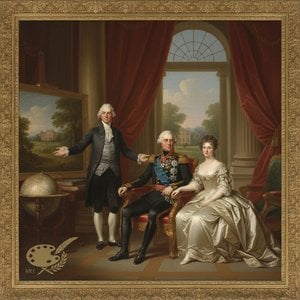
Explore the life & work of John Hoppner, a leading Georgian portraitist. Discover his vibrant style, influential patrons, and lasting impact on British art history. Expert insights for collectors.
존 싱어 사전트의 대표작 25선을 만나보세요. 인상주의 초상화부터 빛과 색채가 아름다운 유화까지, 그의 예술 세계를 탐험하고 WahooArt에서 고품질 아트 프린트로 거실 장식을 완성하세요. 지금 온라인 컬렉션을 확인하세요!

존 컨스터블 대표작 25선을 만나보세요. 영국 풍경화 거장의 자연주의 회화, 데담 밸리의 아름다움과 헤이 웨인의 정취를 담은 명화를 감상하세요. WahooArt에서 고품질 예술 작품 복제본을 소장하고 특별한 인테리어를 완성해보세요. 지금 바로 컬렉션을 탐험하세요!

Explore the captivating Orientalist paintings of John Frederick Lewis! Discover his mastery of detail, genre scenes & influence on 19th-century British art. Learn about his life, techniques & legacy at WahooArt.


 미리보기
미리보기
 공유하기
공유하기 공유하기
공유하기
 상세 정보
상세 정보 가이드 보기

 다운로드
다운로드
 유사 작품
유사 작품 X-레이
X-레이 슬라이드 쇼
 통계 정보
통계 정보 더 보기
더 보기









 유리 옵션은 110cm 미만 크기에서만 선택 가능합니다.


