
 캔버스에 유채월아트Early Renaissance
 1450
1450 80.0 x 44.0 cm
 Museo della Santa Casa
원하는 크기와 액자로 주문 제작되는, 작가들이 직접 캔버스에 손으로 그린 유화 작품입니다. ( 프린트 판매로 전환 디지털 이미지로 전환)





























작품의 원본 비율을 유지하는 미리 설정된 크기 중에서 선택하세요.

특정 프레임이나 공간에 맞도록 직접 크기를 입력할 수 있습니다. 선택하신 크기가 원본 이미지의 비율과 일치하지 않는 경우, 작품을 자르거나 추가적인 손으로 그린 요소를 사용하여 그림을 확장합니다. 제작 시작 전 승인을 위해 디지털 목업을 보내드립니다.
화면 미리 보기는 실제 자르기 또는 확장을 반영하지 않습니다. 최종 구성은 목업을 통해서만 정확하게 확인하실 수 있습니다.
맞춤 크기 제작도 가능하지만, 원본 비율을 유지하기 위해 사전 정의된 목록에서 크기를 선택하시는 것을 권장합니다.

St John the Baptist (Korean: 요한의 성례)
복제본 크기
Caravaggio’s “Beheading of John the Baptist” isn't merely a depiction of a biblical event; it’s a visceral plunge into human drama, a study in stark contrasts and unsettling realism. Painted around 1604, this work, now housed within the Vatican Museums, immediately confronts the viewer with its brutal honesty – a scene of shocking violence rendered with an almost unbearable intensity. The composition is dominated by a triangular arrangement, anchored by the prone body of John the Baptist and the looming figure of Herod Antipas. This isn’t a sanitized religious image; it's a raw portrayal of power, betrayal, and the devastating consequences of human ambition.
Caravaggio’s signature technique – *tenebrism* – is powerfully employed here. The scene is plunged into deep shadow, punctuated by dramatically lit areas that isolate key figures and heighten their emotional impact. The stark contrast between light and dark isn't simply a stylistic choice; it serves to amplify the horror of the act, emphasizing the blood spattering on the floor and the lifelessness of John’s body. Notice how the light catches the glistening droplets of blood, transforming them into miniature jewels – a macabre detail that underscores the painting’s unsettling beauty.
What truly elevates “The Beheading” beyond a simple narrative illustration is Caravaggio's masterful rendering of human emotion. Herod Antipas isn’t depicted as a monstrous tyrant, but rather as a man consumed by grief and regret. His face, illuminated by the light, reveals a complex mixture of anguish, bewilderment, and perhaps even a touch of remorse. The young Salome, John’s disciple, is equally compelling – her expression a blend of shock, horror, and a disturbing fascination with the gruesome spectacle. Her youthful features contrast sharply with the brutality of the scene, adding another layer of complexity to the composition.
Caravaggio's use of modeling – creating the illusion of three-dimensional form through subtle shifts in light and shadow – is particularly evident in John’s body. The musculature is rendered with astonishing realism, conveying a sense of vulnerability and physical suffering. The artist doesn’t shy away from depicting the details of death: the severed head, the blood pooling on the ground, the lifeless limbs. This unflinching portrayal was revolutionary for its time, challenging conventional artistic representations of religious subjects.
The story depicted in “The Beheading” is rooted in the Gospels of Matthew and Mark, recounting the events surrounding John the Baptist’s execution at the behest of Herod Antipas. John's ministry was characterized by his radical preaching and baptismal practices, which challenged the established religious order. His death served as a brutal warning to those who opposed Herod’s authority. The painting therefore carries significant symbolic weight – representing themes of betrayal, injustice, and the ultimate sacrifice.
Caravaggio painted “The Beheading” during a period of intense artistic innovation in Rome. He was part of a group of artists known as the *Carracci*, who sought to revive classical ideals after the Mannerist style had dominated the art scene. Caravaggio’s embrace of realism and his dramatic use of light and shadow profoundly influenced generations of artists, shaping the course of Western painting. This work remains a cornerstone of Baroque art, demonstrating the power of emotion and drama in religious representation.
This meticulously crafted reproduction captures every nuance of Caravaggio’s original masterpiece. Printed on high-quality canvas using archival inks, this artwork offers exceptional color fidelity and detail. The size of 80 x 44 cm makes it suitable for a variety of settings, from formal studies to intimate living spaces. Each reproduction is hand-painted by skilled artisans, ensuring that you receive a unique piece of art that embodies the spirit and power of Caravaggio’s vision. Bring this iconic image into your home or office and experience the drama and emotion of one of history's greatest artistic achievements.

콰트로첸토(Quattrocento)의 어스름한 복도 속에서, 프라 카르나발레만큼 잊히지 않는 매혹적인 인물은 드뭅니다. 경외심과 신비로움이 교차하며 나직이 불리는 이름, 바르토로메오 디 조반니 코라디니—역사가 수도사라는 명칭으로 기억하는 이—는 이탈리아 르네상스에서 가장 포착하기 어려운 거장 중 한 명으로 남아 있습니다. 1420년경 우르비노에서 태어난 그의 삶은 영적인 헌신과 심오한 예술적 혁신의 실로 짜여진 섬세한 태피스트리와 같았습니다. 도미니코 수도회의 일원으로서 카르나발레는 수도원의 정적 어린 명상과 인문주의의 급격히 성장하는 지적 엄격함이 만나는 독특한 경계에 자리 잡았습니다. 오늘날 그의 손길로 확정할 수 있는 작품은 단 아홉 점에 불과하지만, 남아 있는 각각의 작품은 신성함을 물리적 세계의 수학적 정밀함과 조화시키고자 했던 한 예술가의 정신을 들여다보는 창 역할을 합니다.
카르나발레의 예술적 궤적은 당대의 위대한 예술적 용광로들에 의해 형성되었습니다. 우르비노에서 야코포 베네토의 지도 아래 보낸 형성기는 그에게 원근법에 대한 초기 매료를 심어주었으며, 이 기술은 훗날 그의 성숙한 양식을 상징하는 특징이 되었습니다. 그러나 그의 창조적 정신에 진정한 불을 지핀 것은 1445년경 피렌체로 떠난 여정이었습니다. 활기 넘치는 피렌체의 분위기에 몰입된 그는 영향력 있는 안토니오 알베르티 밑에서 수학하였고, 필리포 리피의 명성 높은 작업실에 입문했습니다. 이 도제 생활은 그에게 변혁적인 경험이었습니다. 카르나발레는 리피로부터 색채를 다루는 숙련된 솜씨와 구도에 대한 섬세한 접근법을 물려받았으며, 미묘한 색조의 변화와 정서적 깊이를 통해 인물에 생명력을 불어넣는 법을 배웠습니다.
프라 카르나발레의 작품을 동시대 작가들과 차별화하는 것은 복잡한 건축적 배경과 성스러운 서사를 통합하는 그의 독보적인 능력이었습니다. 그는 단순히 배경을 그린 것이 아니라, 하나의 세계를 구축했습니다. 그의 캔버스에는 당대의 인문주의적 이상을 반영하는 웅장하고 고전적인 양식의 구조물들이 자주 등장하며, 이는 우르비노 공작 궁전의 장엄함과 레온 바티스타 알베르티의 이론적 논문들을 떠올리게 합니다. 성모 탄생과 같은 작품에서는 중세적 세밀함과 르네상스적 공간 논리가 결합된 숨 막히는 광경을 목격할 수 있습니다. 이러한 패널에서 구현된 건축적 깊이는 기하학에 대한 심오한 이해를 시사하며, 기적이 만질 수 있고 측정 가능한 현실 속에 뿌리 내린 듯한 무대를 만들어냅니다.
그의 기술적 레퍼토리는 그가 받은 영향만큼이나 다양하여, 템페라화의 빛나는 명료함부터 유화의 풍부한 질감에 이르기까지 폭넓은 범위를 아우릅니다. 성 베드로와 같은 작품에서 그는 빛과 그림자를 활용해 엄숙함과 신성한 존재감을 불러일으켰으며, 그의 알레고리적 장면은 고전적 배경 속에서 누드를 과감하게 사용하여 재발견된 그리스-로마적 이상에 대한 당대의 매료를 보여줍니다. 도미니코 수도사로서의 경건한 의무와 페데리코 몬테펠트로와 같은 후원자들의 세련된 미적 요구 사이를 항해하는 이러한 능력은, 그로 하여금 신앙심을 고취하는 동시에 지적으로 자극적인 예술을 창조할 수 있게 했습니다.
현존하는 작품의 희소성으로 인해 학자들 사이에서 특정 작품의 진위 여부에 대한 논쟁이 자주 일어나기도 하지만, 프라 카르나발레의 역사적 중요성은 아무리 강조해도 지나치지 않습니다. 그는 15세기 초기의 실험적 시도들과 브라만테, 라파엘로와 같은 거장들이 도달한 전성기 르네상스의 완벽함 사이를 잇는 중요한 가교 역할을 했습니다. 건축적 원근법에 대한 그의 집착과 고전적 모티프의 통합은 다음 세대 이탈리아 예술가들에게 근본적인 청사진을 제공했습니다. 카르나발레를 연구한다는 것은 중세의 영적 강렬함이 르네상스의 구조화되고 인간 중심적인 비전과 결합되기 시작한 바로 그 순간을 목격하는 것과 같습니다.
오늘날, 이 신비로운 수도사의 유산은 남아 있는 그의 비전의 희귀하고 소중한 파편들을 통해 계속 이어지고 있습니다. 그는 성인들의 얼굴뿐만 아니라 그들이 거주하는 공간의 비율 자체에서 신성을 발견했던 '건축적 화가'의 힘을 증명하는 산증인으로 서 있습니다. 비록 역사적 불확실성 속에 가려져 있을지라도, 그의 삶은 여전히 경외심을 불러일으키며, 가장 포착하기 어려운 인물조차 미술사의 영혼에 지워지지 않을 흔적을 남길 수 있다는 사실을 우리에게 상기시켜 줍니다.

1420 - 1484 , 이탈리아

Embark on a profound journey through the ethereal masterpieces of Fra Angelico. Discover the spiritual depth, divine light, and technical brilliance of the 'Angelic Painter' in this expert exploration of Early Renaissance devotion and sacred art history.
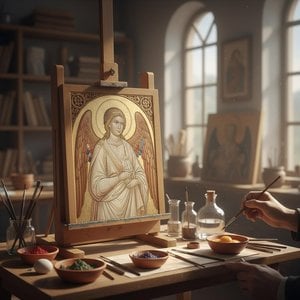
Unveil the sacred secrets of egg tempera on panel. Journey through the technical mastery and profound artistry of the Old Masters, from Giotto to Botticelli. An essential educational guide for Renaissance art enthusiasts seeking deep historical insight and expertise.


 미리보기
미리보기
 공유하기
공유하기 공유하기
공유하기
 상세 정보
상세 정보 Guide
Guide

 다운로드
다운로드
 유사 작품
유사 작품 X-레이
X-레이 슬라이드 쇼
 통계 정보
통계 정보 더 보기
더 보기









 유리 옵션은 110cm 미만 크기에서만 선택 가능합니다.


