

웹 미리보기 화면을 훨씬 뛰어넘는 인쇄용 파일을 만나보세요. 저희가 판매하는 모든 디지털 이미지는 스톡 데이터베이스 내의 고해상도 마스터 파일(일반적으로 가로 5,000~15,000픽셀)을 기반으로 합니다. 따라서 대형 인쇄나 정밀한 크롭 작업 시에도 세밀한 디테일을 자신 있게 구현할 수 있습니다.
저희 스튜디오를 거치는 모든 파일은 정교한 손길을 거칩니다. 디지털 전문가가 원작과 대조하여 색상을 점검하고 필요 시 보정하며, 전문 리터칭 도구를 사용하여 선명도와 디테일을 높입니다. 이 과정에서 작가의 붓 터치와 화풍을 충실히 유지하는 것을 원칙으로 합니다. 그 결과, 단순한 스캔본에 필터를 입힌 듯한 느낌이 아닌, 마치 실제 회화 작품을 보는 듯한 이미지를 구현해냅니다.
최종 완료 전 확인 단계가 있습니다. 전문가가 검토하실 수 있도록 72시간 이내에 이미지를 이메일로 보내드립니다. 결과물이 만족스럽지 않으신가요? 수정이나 보완을 요청하시거나, 품질이 기대에 미치지 못할 경우 환불을 요청하실 수 있습니다.
출판사, 디자인 스튜디오, 갤러리 및 인쇄소가 신뢰하는 바로 그 품질입니다.
개인 소장 및 전시, 인쇄, 창작 프로젝트를 위한 고해상도 파일을 다운로드하세요. ( 프린트 판매로 전환 수작업 채색 복제본 주문하기)
WahooArt.com를 선택하시면 단순히 이미지를 받는 것을 넘어, 정밀한 보정 과정을 거쳐 완성된 전문적인 디지털 예술 작품을 만나보실 수 있습니다. 모든 주문에는 만족 보장 서비스가 포함되어 있으며, 다음과 같은 사항들이 자동으로 제공됩니다:
주문 후 72시간 이내에 고해상도 디지털 이미지 파일이 이메일로 발송되며, 즉시 사용하실 수 있습니다.
귀하의 작품은 첨단 AI 기술과 정교한 수동 편집 과정을 거쳐 전문적으로 최적화되며, 이를 통해 디테일과 선명도, 색상의 정확도를 극대화합니다.
파일을 실수로 삭제하거나 분실하셨나요? 걱정 마세요. 언제든 무료로 다시 보내드립니다.
관세, 부가세, 배송비 부담 없이 작품을 즉시 소장하세요 - 디지털 다운로드는 언제나 면세 혜택이 적용됩니다.
전문적인 도구와 색상 관리 시스템을 통해 디지털 이미지가 원본의 색상을 최대한 정확하게 구현하도록 보장합니다.
구매하신 디지털 이미지에 만족하지 못하실 경우, 100일 이내에 별도의 조건 없이 수정 또는 100% 환불을 진행해 드립니다.
만족스럽지 않으신가요? 디지털 파일을 받으신 후 100일 이내라면 어떤 이유로든 조건 없이 전액 환불해 드립니다.
이미지 3매 구매 시 10% 할인 - 5매 구매 시 15% 할인 - 10매 이상 구매 시 20% 할인. 크리에이티브 프로젝트, 갤러리, 에이전시에 매우 유용합니다.
In the quietude of Hubert Robert’s 1775 masterpiece, The Old Bridge, we encounter more than a mere landscape; we step into a profound meditation on the passage of time. As a quintessential emblem of French Romanticism, this painting transcends the simple documentation of architectural ruins to offer a window into the soul of an era transitioning from the structured elegance of Neoclassicism to the emotive depths of Romantic idealism. Robert, often celebrated as "Robert of the Ruins," possessed a singular ability to transform the crumbling remnants of stone and mortar into a source of sublime contemplation. The arched bridge, weathered and worn by the relentless march of years, serves as the central protagonist in a drama where nature slowly reclaims what humanity once built with such permanence.
The composition is a masterclass in atmospheric illusion, drawing the viewer into a world that feels both tangible and dreamlike. Utilizing the principles of atmospheric perspective—a technique perfected by masters like Claude Lorrain—Robert creates an expansive sense of depth that pulls the eye across the shimmering river toward distant, hazy horizons. The bridge itself acts as a structural anchor, its strong horizontal lines and rhythmic arches guiding our gaze through the scene. This architectural weight is beautifully balanced by the organic, fluid curves of the riverbanks and the soft, irregular silhouettes of lush foliage. A solitary figure, dressed in period attire, stands on the opposite bank, providing a vital human element that scales the vastness of the landscape and invites us to share in their quiet moment of reflection.
To behold The Old Bridge is to experience a symphony of light and texture. Robert’s technical prowess is evident in his skillful layering of oil paints, which allows for a remarkable interplay between the ruggedness of decaying stone and the ethereal smoothness of the sky. The color palette is a sophisticated arrangement of earthy tones—warm ochres, deep browns, and muted greens—that ground the painting in a sense of natural reality. These warm hues are punctuated by subtle hints of blue within the water and sky, providing a cooling contrast that enhances the luminous quality of the entire canvas. The lighting appears soft and diffused, as if captured during the golden hour of late afternoon or under the gentle veil of an overcast morning, casting subtle shadows that deepen the painting's tranquil mood.
For the discerning collector or interior designer, this artwork offers a profound emotional resonance that can transform any space. The painting does not merely decorate a wall; it establishes an atmosphere of nostalgia, serenity, and intellectual depth. It speaks to the beauty found in imperfection and the enduring power of memory. Whether placed in a grand library or a contemporary living space, The Old Bridge serves as a captivating focal point, inviting guests to pause and ponder the fleeting nature of existence. Owning a high-quality reproduction of this work means bringing a piece of history into the modern home—a timeless fragment of the Romantic spirit that continues to stir the imagination centuries after its creation.
위베르 로베르의 "The Old Bridge" 작품에 추천하는 공간은 Living Room입니다. 물론 이 제안은 고객님의 인테리어 스타일에 맞춰 자유롭게 조정하실 수 있습니다.
위베르 로베르의 "The Old Bridge"은(는) 작품의 슬라이드쇼 페이지에서 슬라이드쇼로 감상하실 수 있습니다.
위베르 로베르의 "The Old Bridge"의 느껴지는 밝기는 bright입니다. 이는 배치할 공간의 조명과 자연스럽게 어우러집니다.

1733년 파리에서 태어난 위베르 로베르는 가족의 사회적 지위가 타인을 향한 헌신과 맞닿아 있던 세상에 발을 들였습니다. 그의 아버지 니콜라 로베르는 저명한 인물의 가문에서 직책을 맡고 있었는데, 이러한 인연은 훗날 젊은 위베르 로베르가 프랑스 상류 사회의 정점으로 나아가는 발판이 되었습니다. 이러한 초기 삶의 안정성은 그가 콜레주 드 나바르(Collège de Navarre)라는 체계적인 환경 속에서 정규 교육을 받을 수 있는 토대가 되었으며, 1751년 예수회 아래에서 학업을 마친 그는 시각 예술로 눈을 돌리기 전 이미 절제된 지적 배경을 갖춘 인물로 성장해 있었습니다.
하지만 그의 첫 행보가 처음부터 캔버스를 향했던 것은 아니었습니다. 그는 조각가 미셸-앙주 슬로츠(Michel-Ange Slodtz)의 작업실에 입문하여 디자인과 원근법이라는 엄격한 원칙들을 익히며 훈련을 시작했습니다. 조각이라는 예술이 지닌 촉각적인 본질이 그의 출발점이었으나, 스승 슬로츠는 소년이 가진 특별한 기질을 예리하게 포착해 냈습니다. 그는 위베르 로베르의 또 다른 잠재력을 알아보고, 정을 내려놓고 붓을 잡을 것을 권유했습니다. 조각의 삼차원적인 무게감에서 회화가 선사하는 대기적인 가능성으로의 이러한 전환은, 훗날 그의 인생 전체를 관통하는 예술적 궤적을 결정짓는 결정적인 순간이 되었습니다.
1754년, 위베르 로베르는 에티엔-프랑수아 드 슈아젤의 수행단과 함께 프랑스를 떠나 로마로 향했습니다. 이 여정은 단순한 풍경의 변화 그 이상이었습니다. 그것은 고대의 심장부로 뛰어든 10년 간의 몰입이었습니다. 이탈리아에서 보낸 11년 동안 그는 프랑스 아카데미에 머물렀으며, 이 시기는 그가 도시의 건축적 웅장함을 온몸으로 흡수할 수 있게 해준 소중한 시간이었습니다. 그는 단순히 멀리서 이 기념비적인 건축물들을 관찰하는 데 그치지 않았습니다. 그는 그 유적들 사이에서 삶을 영위하며, 과거가 남긴 물리적 잔해들과 깊은 정서적 유대감을 형성해 나갔습니다.
그의 예술적 성장은 조반니 파올로 파니니의 화실에서 보낸 시간을 통해 더욱 정교하게 다듬어졌습니다. 이러한 만남을 통해 위베르 로베르는 고전 세계를 해석하는 능력을 연마하기 시작했습니다. 그는 단순히 존재하는 구조물을 기록하는 차원을 넘어, 빛과 그림자를 자유자재로 다루며 역사적 서사를 암시하는 법을 배웠습니다. 당시 로마에서 그의 존재감은 매우 깊었기에, 1767년에는 그가 콜로세움의 벽에 자신의 이름을 새겼다는 이야기가 전해질 정도입니다. 이는 평생을 바쳐 연구해 온 바로 그 폐허를 향해, 찰나의 삶을 가진 인간이 영원성을 갈구하며 남긴 작고도 인간적인 흔적이었습니다.
1765년 파리로 돌아온 위베르 로베르는 자신이 이탈리아에서 수집한 독특한 시각적 관점들을 갈망하던 도시를 마주했습니다. 프랑스 예술계에서 그의 부상은 매우 신속하게 이루어졌습니다. 1766년, 그는 로마 카프리초(Roman capriccio)를 선보이며 왕립 회화 및 조각 아카데미에 입회함으로써 자신의 예술적 존재감을 세상에 알렸습니다. 이러한 공식적인 인정은 그를 프랑스 상류 사회의 중심부로 인도했습니다. 건축학적 정밀함과 상상력 풍부한 풍경을 조화시키는 그의 탁월한 능력은, 당시 그림 같은 풍경을 갈구하던 대중의 미적 욕구와 완벽하게 맞닿아 있었습니다.
그의 전문적인 삶은 점차 프랑스 왕실과 밀접하게 얽히기 시작했습니다. 그는 국가가 자신의 기술적 숙련도와 미적 안목을 신뢰하고 있음을 보여주는 명예로운 직책들을 맡았습니다. 그는 국왕의 정원 디자이너로 활동했으며, 이후에는 국왕의 그림 관리인이라는 중책을 맡았습니다. 이러한 역할들을 통해 그는 새로운 디자인을 창조하는 일과 기존 컬렉션을 관리하는 일을 넘나들며, 군주제의 시각적 풍경을 형성하는 데 깊은 영향을 미쳤습니다. 그의 영향력은 단순히 개인의 명성을 넘어, 향후 한 세기 동안 프랑스 미술을 정의하게 될 제도적 기틀 안으로까지 확장되었습니다.
정치적 지형이 급격히 변화함에 따라, 그가 짊어진 책임 또한 그 무게와 복잡성이 더해졌습니다. 그는 박물관 관리인이자 아카데미 고문으로 임명되었는데, 이는 그를 국가 문화 행정의 중심부로 이끌었습니다. 이제 그의 삶은 단순히 그림을 그리는 화가의 영역을 넘어, 역사를 수호하는 파수꾼의 길로 접어들었습니다. 구체제의 구조가 균열을 일으키며 무너져 내리는 격동의 시기에도, 루브르 박물관의 회랑 속에서 그의 존재는 변함없이 빛났으며, 이는 그를 프랑스 제도 미술의 전환기를 상징하는 핵심 인물로 각인시켰습니다.
위베르 로베르의 손길은 그가 포착하고자 했던 풍경만큼이나 다채로웠습니다. 그는 데생가의 정교함과 화가의 유려한 터치 사이를 자유자재로 오가며 방대한 매체를 활용했습니다. 전통적인 유화 기법은 물론 에칭, 펜과 잉크, 흑색 및 적색 초크, 그리고 수채화에 이르기까지 그의 기술적 레퍼토리는 매우 넓었습니다. 특히 그는 알라 프리마(alla prima) 기법을 자주 사용하여, 물감을 직접적이고 즉흥적으로 덧칠함으로써 화면에 생생한 현장감을 불어넣었습니다. 이러한 기술적 폭 덕분에 그는 건축적 형태가 지닌 복잡한 구조와 변화하는 하늘이 선사하는 부드러운 질감을 동시에 완벽하게 구현해낼 수 있었습니다.
그의 작업 방식은 눈에 보이는 실재와 상상력 사이의 섬세한 균형에 기반을 두고 있었습니다. 그의 작품은 치밀한 묘사와 엄격한 원근법적 이해를 바탕으로 하고 있었지만, 결코 단순한 지형적 기록에 머물지 않았습니다. 대신 그는 대기 원근법을 사용하여 먼 지평선을 부드럽게 흐트러뜨림으로써, 손에 잡힐 듯한 깊이감과 빛의 울림을 만들어냈습니다. 또한 빛과 그림자를 교묘하게 다루어 관람객의 공간 지각을 조절하는 환영의 미학에 탁월한 능력을 갖추고 있었습니다. 세밀한 관찰과 고조된 상상력을 결합함으로써, 그는 석조 아치나 무너져가는 기둥이라는 물리적 실재를 마치 정교하게 연출된 연극의 한 장면처럼 극적인 분위기 속으로 격상시켰습니다.
"루이의 폐허(Robert des Ruines)"라는 별명은 단순한 수식어 그 이상이었습니다. 그것은 과거의 무너져가는 잔해 속에서 가장 깊은 예술적 표현을 찾아낸 한 예술가에 대한 경의였습니다. 18세기 후반의 예술적 지평 위에서 위베르 로베르는 낭만주의적 화풍을 구현하며, 건축물을 단순히 사실적으로 기록하는 차원을 넘어선 예술적 경지를 보여주었습니다. 그는 건물의 물리적 상태를 기록하는 데 그치지 않고, 그 붕괴의 과정 속에 깃든 시적 아름다움을 탐구했습니다. 그의 작품은 이탈리아의 고대 풍경과 프랑스의 변화하는 도시 구조를 넘나들며, 반허구적이면서도 그림 같은 폐허의 모습을 매혹적으로 그려냈습니다.
이러한 예술적 비전의 중심에는 카프리초(capriccio) 기법에 대한 그의 탁월한 숙련도가 자리 잡고 있습니다. 그는 고대 유적, 환상적인 풍경, 그리고 이상화된 인물들을 의도적으로 병치시켜 현실과 상상력 사이의 팽팽한 긴장감 속에 존재하는 장면들을 창조해냈습니다. 그는 단순히 눈앞에 보이는 것을 그리는 것이 아니라, 멜랑콜리와 경이로움이 공존하는 분위기를 구축했습니다. 사실적인 건축적 세부 묘사와 상상 속의 배경을 조화롭게 버무림으로써, 그는 손에 잡힐 듯 생생하면서도 꿈결 같은 역사의 숨결을 불어넣었습니다. 이러한 접근 방식은 돌과 그림자의 렌즈를 통해 시간의 흐름을 탐구할 수 있게 해준 그의 독보적인 방식이었습니다.
프랑스 혁명의 거센 파도는 위베르 로베르의 삶에 갑작스럽고도 개인적인 위기를 몰고 왔습니다. 공포 정치의 소용돌이 속에서 그는 잠시 투옥되는 시련을 겪기도 했는데, 이 고통스러운 경험은 자신의 구금 상태를 기록한 일련의 드로잉들을 통해 그의 예술적 결과물에 깊은 흔적을 남겼습니다. 시대의 변동성이 극에 달했던 시기였음에도 불구하고, 그의 예술적 위상은 여전히 견고했습니다. 그는 훗날 루브르 박물관이 될 신설 기관인 중앙 미술 박물관(Muséum Central des Arts)의 큐레이터로 임명되었으며, 그곳에서 국가의 방대한 컬렉션을 정리하고 분류하는 막중한 임무를 수행했습니다.
루브르와 그의 인연은 매우 깊고도 영속적이었습니다. 1778년부터 1802년까지 그는 자신이 직접 장식하고 보존하는 데 일조했던 바로 그 전당들 사이에서 생활하며 루브르의 벽 안에서 삶을 영위했습니다. 이러한 오랜 거주는 그를 변화하는 프랑스의 중심에 서게 했으며, 구체제의 군주제에서 나폴레옹 시대로 넘어가는 격동의 전환기를 목격하게 했습니다. 위베르 로베르는 건강이 쇠약해져 생이 다할 때까지 끊임없이 작품을 창조해낸 다작의 예술가였습니다. 그는 1808년 4월 15일, 파리에서 뇌졸중으로 생을 마감했습니다.
위베르 로베르가 남긴 방대한 작품군은 과거와 끊임없이 대화하며 살아온 그의 삶을 고스란히 투영합니다. 그는 약 1,000점의 회화와 10,000점에 달하는 드로잉을 남겼는데, 이러한 경이로운 작업량은 빛의 미묘한 변화와 건축적 쇠락의 뉘앙스를 수만 번의 반복을 통해 탐구할 수 있게 한 원동력이 되었습니다. 그의 초기 명성을 확립한 것은 바로 로마 항구(The Port of Rome)였습니다. 이 로마 카프리초 작품은 그가 단순한 지형적 기록을 넘어, 당대 사람들의 감수성을 자극하는 고대의 환상적인 비전을 구축해내는 능력을 갖추었음을 증명하며 프랑스 예술계에 자신의 존재감을 각인시켰습니다.
경력이 쌓여감에 따라 그의 화폭은 순수 고전 양식에서 벗어나, 역사적 구조물을 더욱 다채로운 풍경 속에 통합시키는 방향으로 진화했습니다. 1773년경 제작된 시골 저택의 포르티코(The Portico of a Country Mansion)는 원근법과 대기감을 다루는 그의 탁월한 통제력을 보여주는 걸작입니다. 이후 고대 공학 기술의 웅장함에 매료된 그의 시선은 1787년경 그려진 퐁 뒤 가르(The Pont du Gard)에 고스란히 담겼습니다. 이러한 작품들은 기념비적인 거대함과 친밀한 세부 묘사를 동시에 아우르는 기술적 숙련도를 보여주며, 종종 얇은 글레이즈 기법을 사용하여 색조의 깊이와 찬란한 빛을 구현해냈습니다.
생애 후반기에 이르러 그는 자신이 관리하는 데 일조했던 바로 그 제도적 공간들을 기록하기 시작했습니다. 1795년경 탄생한 그랑드 갈러리(The Grande Galerie)는 파리 역사의 격동적이고 변혁적인 순간을 포착한 작품입니다. 이 시기 위베르 로베르는 문화적 기억을 보존해야 한다는 사명과 변화하는 국가의 현실 사이의 긴장감을 예술로 승화시켰습니다. 유화의 풍부한 질감이나 펜과 잉크의 정교한 선을 통해 이러한 공간들을 재현해낸 그의 능력은, 그를 프랑스 풍경화 역사에 영원히 각인된 거장으로 만들었습니다.
위베르 로베르가 남긴 방대한 예술적 유산은 세계 여러 주요 미술관에 흩어져 있으며, 이는 18세기 후반 그가 누렸던 예술적 영향력이 얼마나 광범위했는지를 잘 보여줍니다. 그의 회화 작품이 가장 집중적으로 소장된 곳은 단연 파리로, 루브르 박물관은 그의 걸작 43점을 품고 있습니다. 이곳을 찾는 관람객들은 그의 정교한 건축학적 연구와 더불어, 폐허가 된 그랑드 갈러리의 모습이나 1798년 혹은 1799년경 복원 작업 중인 갤러리의 모습을 담은 극적인 묘사들을 마주하며 시간의 흐름을 경험할 수 있습니다.
프랑스를 넘어 그의 예술적 숨결은 세계 곳곳의 저명한 컬렉션에서도 느껴집니다. 상트페테르부르크의 에르미타주 미술관은 Inhabited Ruins와 Painters를 비롯한 네 점의 작품을 소장하고 있습니다. 미국에서는 뉴욕의 메트로폴리탄 미술관이 The Portico of a Country Mansion과 Wandering Minstrels를 포함한 세 점의 작품을 보유하고 있습니다. 그의 명성은 독일과 스위지로도 이어져, 독일의 카를스루에 주립 미술관에서도 Roman Capriccio를 포함한 세 점의 작품을 만나볼 수 있습니다.
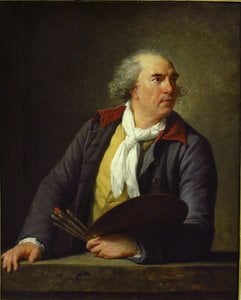
1733 - 1808 , 프랑스
 미리보기
미리보기
 공유하기
공유하기 공유하기
공유하기
 상세 정보
상세 정보 가이드 보기

 다운로드
다운로드
 유사 작품 더 보기
 X-레이
X-레이 슬라이드 쇼 보기
 질의응답
질의응답
 통계 정보
통계 정보


 더 보기
더 보기


