

 Oil On CanvasWallArtRomantic Landscape
 1775Early Modern
 91.0 x 121.0 cm
 국립 미술관 (National Gallery of Art)
작가가 직접 캔버스에 손으로 그린 유화 작품으로, 원하는 크기와 액자로 맞춤 제작해 드립니다. ( 프린트 판매로 전환 디지털 이미지 판매 채널로 전환)





























작품의 원본 비율을 그대로 유지하는 프리셋 사이즈 중에서 선택해 보세요.

액자나 벽면 크기에 맞춰 필요한 가로와 세로 길이를 입력해 주세요. 본 작품은 수작업으로 제작되므로, 요청하신 비율에 따라 작가가 그림의 가장자리를 조금 더 넓게 그리거나 일부를 조정하여 작업할 수 있습니다. 작업 시작 전, 최종 확인을 위해 디지털 목업 이미지를 보내드립니다. 이 페이지에 표시된 이미지는 실제 결과물과 다를 수 있으며, 오직 목업 이미지만이 정확한 결과물을 보여줍니다.
The Ponte Solario
복제본 규격
Hubert Robert’s “The Ponte Solario,” completed in 1775, stands as a cornerstone of Romantic landscape painting—a genre that prioritized emotion and imagination over strict adherence to classical ideals. More than just a depiction of crumbling stone and weathered timbers, the canvas embodies Robert's fascination with ruins as symbols of time’s relentless passage and the sublime beauty inherent in decay.
The painting portrays a magnificent castle perched atop a rocky promontory overlooking a tranquil lake. A graceful bridge spans across the water, connecting the castle to the shore—a deliberate compositional element that reinforces the sense of grandeur juxtaposed with vulnerability. Scattered boats dot the surface of the lake, adding dynamism and hinting at human presence within this desolate landscape.
Robert’s approach aligns closely with the burgeoning Romantic movement, anticipating elements of Impressionism decades before its formal emergence. He eschewed meticulous detail in favor of capturing fleeting atmospheric effects—the diffused light filtering through mist, the subtle gradations of color reflecting off the stone surfaces. Robert skillfully employed a technique known as “plein air” painting, venturing outdoors to directly observe and render the natural world, prioritizing immediacy and sensory experience.
Robert's work emerged during the waning years of the Enlightenment, a period characterized by rational thought and scientific inquiry. However, Robert actively resisted these dominant intellectual currents, embracing instead the emotional power of imagination and memory—themes central to Romantic aesthetics. He drew inspiration from the ruins of Roman temples and villas, reflecting a broader cultural preoccupation with antiquity and its perceived moral lessons. The painting speaks to a yearning for beauty amidst ruin, mirroring anxieties about mortality and the inevitable decline of civilization.
Robert’s masterful use of light and shadow elevates decay beyond mere physical deterioration; it becomes an emblem of spiritual transformation. The crumbling castle represents not just structural weakness but also the fading glory of aristocratic power—a poignant commentary on societal change. Yet, the pervasive luminescence imbues the scene with a sense of serenity and wonder, suggesting that even in ruin, beauty persists—a profound meditation on the cyclical nature of existence.
"The Ponte Solario" evokes a powerful emotional response in viewers. Its melancholic atmosphere invites contemplation on themes of loss, remembrance, and acceptance. The painting’s luminous palette captures the sublime grandeur of nature while simultaneously conveying a sense of poignant solitude—a testament to Robert's ability to translate complex psychological ideas into visually arresting imagery.
위베르 로베르의 "The Ponte Solario"의 역사적 시기는 Early Modern입니다. 이러한 분류는 미술사적 맥락에서 해당 작품의 위치를 정의합니다.
위베르 로베르의 "The Ponte Solario"의 수작업 복제화는 주문 제작 방식으로 수작업 유화 복제화 페이지에서 직접 주문하실 수 있습니다: 리넨 캔버스 위에 손으로 직접 그린 유화 복제화
위베르 로베르의 "The Ponte Solario" 작품의 경우 Medium 크기의 복제본을 추천합니다. 비율을 유지하면서 크기를 조정할 수 있습니다.

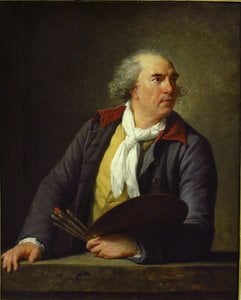
1733 - 1808 , 프랑스

Explore the profound emotional power of Romantic landscape art. Discover how masters like Friedrich captured the sublime through breathtaking nature, and learn to curate these evocative masterpieces for your luxury interior collection.

 실제 크기로 보기
 보내기
보내기 공유하기
공유하기
 상세 보기
상세 보기 가이드 보기

 이미지 다운로드
 유사 작품 더 보기
 X-레이
X-레이 슬라이드 쇼 보기
 Q&A
Q&A 통계 정보
통계 정보 상세 보기
상세 보기









 유리 옵션은 110cm 미만 크기에서만 선택 가능합니다.


