


 Ink On PaperOttoman Calligraphy
 1670Early Modern
 51.0 x 41.0 cm
 Sadberk Hanım Museum




























작품의 원본 비율을 유지하는 미리 설정된 크기 중에서 선택하세요.

특정 프레임이나 공간에 맞도록 직접 크기를 입력할 수 있습니다. 선택하신 크기가 원본 이미지의 비율과 일치하지 않는 경우, 작품을 자르거나 추가적인 손으로 그린 요소를 사용하여 그림을 확장합니다. 제작 시작 전 승인을 위해 디지털 목업을 보내드립니다.
화면 미리 보기는 실제 자르기 또는 확장을 반영하지 않습니다. 최종 구성은 목업을 통해서만 정확하게 확인하실 수 있습니다.
맞춤 크기 제작도 가능하지만, 원본 비율을 유지하기 위해 사전 정의된 목록에서 크기를 선택하시는 것을 권장합니다.

Hilye-i Şerif
복제본 크기
In the quiet corridors of the Sadberk Hanım Museum in Istanbul, there exists a masterpiece that transcends mere ink and paper, inviting the viewer into a profound spiritual encounter. Hilye-i Şerif, created by the legendary Ottoman calligrapher Hâfiz Osman around 1670, is not simply a piece of writing; it is a luminous portrait composed entirely of words. This exquisite work serves as a written description of the physical and moral attributes of the Prophet Muhammad, as narrated by Ali. Through the delicate dance of naskh and thuluth scripts, the artist breathes life into the unseen, transforming theological text into a visual symphony of grace and devotion.
The composition is a masterclass in the classical hilye layout, a template perfected by Hâfiz Osman himself. The eye is immediately drawn to the central göbek, or belly, where the core description unfolds in rhythmic, flowing lines. Surrounding this sacred text are intricate decorative elements that frame the prose with celestial elegance. The use of gold and black creates a striking, regal contrast, evoking the timelessness of a divine revelation. As light touches the gilded surfaces, the artwork seems to shimmer, suggesting that the truths contained within are not static, but living and breathing.
To understand this work is to understand the zenith of Ottoman calligraphic achievement. Hâfiz Osman was more than a scribe; he was an innovator who redefined the aesthetic standards of his era. His refinements to the thuluth script brought a new level of clarity and majesty to mosque decorations and manuscript design across the empire. In this particular piece, one can observe the meticulous precision of his hand—the way each stroke of the reed pen carries both weight and lightness, mirroring the balance of character described in the text itself.
The technique involves a sophisticated layering of media, including ink, gold, and watercolor paint on paper. The basmala is rendered in the stately rayhani script, while verses from the Surah Al-Anbiya are integrated with a commanding presence in jali thuluth. This careful orchestration of different calligraphic styles creates a hierarchical movement for the viewer, guiding the gaze from the foundational prayers to the profound theological assertions. It is a technical feat that requires immense discipline, yet the final result feels effortless and organic.
For the discerning collector or interior designer, a reproduction of Hilye-i Şerif offers much more than aesthetic beauty; it brings an atmosphere of serenity and historical depth to any space. The artwork’s palette of gold and deep black possesses a versatile sophistication that complements both classical and contemporary interiors. Whether placed in a quiet study, a grand salon, or a meditative corner of a home, the piece acts as a focal point of contemplation, grounding the room with its ancient wisdom and artistic prestige.
Owning a high-quality hand-painted reproduction allows one to preserve the legacy of Ottoman culture. It is an invitation to surround oneself with art that speaks of character, morality, and the pursuit of perfection. As a piece of decor, it does not merely occupy space—it enriches it, offering a window into a 17th-century world where every stroke of the pen was an act of devotion and every gilded flourish was a celebration of the divine.


1642 - 1698 , Turkey
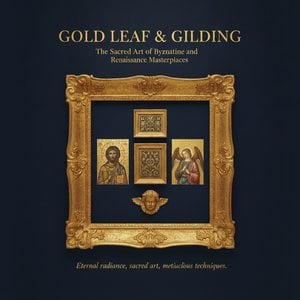
Explore the divine mastery of Byzantine gold leaf and gilding. Discover how ancient artisans used gold ground and mosaics to create celestial light, a timeless legacy of spiritual splendor and technical excellence in sacred art history.

Embark on a visual journey through the world's most radiant masterpieces. Discover how gold leaf, impasto textures, and gilded tones define luxury in fine art, from Byzantine icons to modern abstracts. Explore the eternal allure of gold in curated, museum-quality art collections.
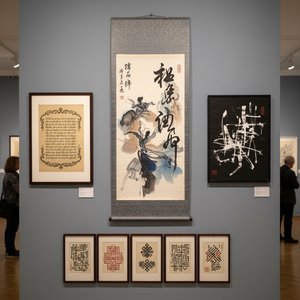
Explore the profound beauty of calligraphy art. From the fluid running script of Chinese masters to historical ink masterpieces, discover how the elegance of line transforms spaces with timeless grace and scholarly sophistication.

Embark on a profound journey through the soul of Chinese calligraphy. Explore the historical mastery of ink, brush, and script, from ancient Zhuanshu to elegant running script, and discover how this timeless art form reflects the enduring spirit of classical East Asian aesthetics.
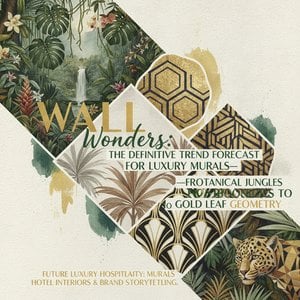
Elevate your hospitality projects with our expert trend forecast on luxury murals. From biophilic botanical jungles to opulent gold leaf geometry, discover how bespoke large-scale wall art and custom frescoes can transform hotel interiors into unforgettable architectural statements.


 미리보기
미리보기
 프린트 구매
 공유하기
공유하기 공유하기
공유하기
 상세 정보
상세 정보

 다운로드
다운로드
 유사 작품
유사 작품 X-레이
X-레이 슬라이드 쇼
 더 보기
더 보기









 유리 옵션은 110cm 미만 크기에서만 선택 가능합니다.


