

 Oil On CanvasWallArtRomanticism
 19th Century
 54.0 x 41.0 cm
 피츠윌리엄 칼리지
빠른 제작과 다양한 마감 옵션을 제공하는 박물관 품질의 지클레이 또는 캔버스 프린트. ( 손으로 그린 그림 구매 Switch to Digital Image)





























작품의 원본 비율을 유지하는 미리 설정된 크기 중에서 선택하세요.

특정 프레임이나 공간에 맞춰 직접 치수를 입력하실 수 있습니다. 선택하신 사이즈가 원본 이미지의 비율과 일치하지 않을 경우, 작품을 크롭(자르기)하거나 이미지를 대칭 또는 단색 채우기로 확장하여 제작합니다. 제작 시작 전, 최종 확인을 위해 디지털 목업이 전송됩니다.
화면상의 미리보기는 실제 크롭이나 확장 상태를 반영하지 않으므로, 최종 구도는 오직 목업을 통해서만 정확하게 확인하실 수 있습니다.
맞춤 사이즈 제작도 가능하지만, 원본 비율을 유지하기 위해서는 사전 정의된 목록에서 치수를 선택하시는 것을 권장합니다.

Possibly William Thomas Meyer
복제본 크기
In the quietude of George Romney’s Possibly William Thomas Meyer, one finds more than just a mere likeness; one encounters a profound moment of psychological stillness captured forever in oil. Painted during the twilight of the eighteenth century, between 1795 and 1802, this portrait serves as a window into the refined dignity of the British Regency era. The subject, whether indeed the enigmatic William Thomas Meyer or another gentleman of status, gazes outward with an expression that is simultaneously present and deeply introspective. It is an arresting stillness—a gaze that seems to look through the viewer, lost in a private world of contemplation. For the collector or the lover of classical portraiture, this piece offers a rare opportunity to possess a fragment of history, embodying the grace and social poise that defined an entire epoch.
The emotional resonance of the work lies in its ability to bridge the gap between the sitter and the spectator. There is no performative bravado here, only a soft, dignified vulnerability. This subtle emotional depth makes the painting an exceptional choice for sophisticated interiors, where it can serve as a focal point of quiet strength, inviting long periods of reflection and conversation.
To understand the brilliance of this portrait, one must look closely at Romney’s technical virtuosity. Heavily influenced by the grand traditions of Venetian masters and the contemporary prestige of Joshua Reynolds, Romney moved away from the stiff, formal rigidity that often plagued aristocratic commissions of his time. Instead, he embraced a more fluid, naturalistic approach. His technique involved the meticulous application of thin, translucent glazes over a preparatory underpainting, a method that allows light to penetrate the layers of pigment and reflect back, creating a luminous, lifelike quality in the subject's skin.
The artist’s palette is a masterclass in subtle contrast. Using natural pigments such as ochre, umber, and ivory black, Romney builds a rich texture that breathes life into the canvas. The deep, commanding red of the sitter's coat provides a striking counterpoint to the dark, indistinct background, ensuring that the viewer’s eye is drawn immediately to the face and the delicate textures of the attire. The visible yet controlled brushstrokes lend a sense of movement and vitality to the fabric, suggesting the weight of the cloth and the softness of the skin with remarkable accuracy. This interplay of light and shadow—the chiaroscuro effect—not only defines the physical form but also heightens the dramatic, atmospheric mood of the piece.
For interior designers and connoisseurs of fine art, Possibly William Thomas Meyer represents a pinnacle of classical aesthetic appeal. The painting’s color story—dominated by rich crimsons, warm earth tones, and soft highlights—complements a wide array of decor styles, from the traditional grandeur of a library or study to the more contemporary, minimalist elegance of a modern gallery-style living space. It possesses that rare quality of being both a historical artifact and a living piece of art that breathes life into a room.
Investing in a high-quality reproduction of this masterpiece allows one to bring the prestige of the Regency era into the contemporary home. It is an invitation to surround oneself with beauty, history, and the enduring legacy of George Romney’s incomparable ability to capture the very essence of the human spirit. Whether placed in a prominent position to anchor a room or tucked into a quiet corner to offer a moment of peace, this portrait remains a timeless testament to the power of classical portraiture.


1734 - 1802 , 영국

Explore the life & work of George Hayter, Queen Victoria’s Principal Painter. Discover his iconic Victorian portraits, historical masterpieces, and lasting impact on British art history. Learn more at WahooArt.
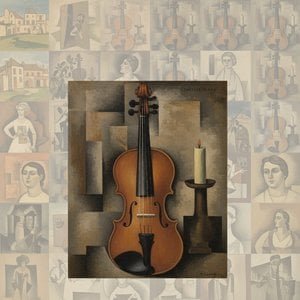
조르주 브라크의 시대를 초월한 25개의 걸작을 만나보세요. 입체주의를 개척한 프랑스 화가의 예술 세계와 숨겨진 이야기를 WahooArt에서 감상하고, 명작 유화 복제본으로 공간에 특별함을 더하세요. 지금 바로 컬렉션을 탐험하세요!

Explore the luminous world of Sir George Clausen, a leading British Impressionist painter. Discover his captivating scenes of Edwardian life, rural England & poignant war art. Learn about his legacy and find high-quality reproductions at WahooArt.
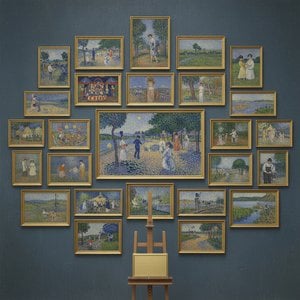
조르주 쇠라의 대표작 25선을 만나보세요. 점묘법의 혁신과 빛, 색채의 아름다움이 담긴 명작들을 감상하고, 인테리어에 예술적인 영감을 더하세요. WahooArt.com에서 고품질 미술 작품을 컬렉션해보세요.

Explore the life & art of George Romney, leading portraitist of Georgian England. Discover his style, famous patrons like Emma Hamilton, and legacy in British society. Expert insights for collectors.

 미리보기
미리보기
 공유하기
공유하기 공유하기
공유하기
 상세 정보
상세 정보

 다운로드
다운로드
 유사 작품
유사 작품 X-레이
X-레이 슬라이드 쇼
 Stats
Stats 더 보기
더 보기









 유리 옵션은 110cm 미만 크기에서만 선택 가능합니다.


