

작가가 직접 캔버스에 손으로 그린 유화 작품으로, 원하는 크기와 액자로 맞춤 제작해 드립니다. ( 프린트 판매로 전환 디지털 이미지 판매 채널로 전환)





























작품의 원본 비율을 그대로 유지하는 프리셋 사이즈 중에서 선택해 보세요.

액자나 벽면 크기에 맞춰 필요한 가로와 세로 길이를 입력해 주세요. 본 작품은 수작업으로 제작되므로, 요청하신 비율에 따라 작가가 그림의 가장자리를 조금 더 넓게 그리거나 일부를 조정하여 작업할 수 있습니다. 작업 시작 전, 최종 확인을 위해 디지털 목업 이미지를 보내드립니다. 이 페이지에 표시된 이미지는 실제 결과물과 다를 수 있으며, 오직 목업 이미지만이 정확한 결과물을 보여줍니다.
Peter Romney
복제본 규격
George Romney’s 1765 portrait, often referred to as “Unknown Man,” is far more than a simple likeness. It’s a carefully constructed tableau of Georgian society, brimming with subtle gestures and intellectual curiosity. Painted during a pivotal period of artistic and social change in Britain, the work offers a rare glimpse into the mind of a man contemplating his place within a rapidly evolving world. The painting depicts a gentleman, dressed in the fashionable attire of the era – a dark blue jacket, waistcoat, breeches, and buckled shoes – seated at an easel before a drafting table laden with geometric diagrams. His gaze is direct, almost challenging, as he turns to face the viewer, inviting us into his private thoughts.
The initial impression might be one of formality, but closer inspection reveals layers of complexity. Romney masterfully employs chiaroscuro – the dramatic contrast between light and shadow – to sculpt the figure’s form and draw attention to key details. The subtle shading around the eyes suggests a contemplative mood, while the precise rendering of his hands, poised over the drafting tools, speaks volumes about his intellectual pursuits. The background is deliberately muted, focusing entirely on the subject and reinforcing the sense of intimacy within the scene.
Romney’s “Unknown Man” isn't merely a portrait; it’s a visual argument about the nature of art itself. The diagrams on the drafting table, reminiscent of mathematical principles and architectural designs, hint at a debate taking place – a discussion between Romney’s brothers, Peter and James, regarding the theoretical foundations of painting. Peter, depicted gesturing towards the geometric forms, advocates for a rational, structured approach to artistic creation, drawing parallels with the precision of mathematics and design. James, standing behind him, counters this argument by pointing to a classical bust, suggesting that true artistry should be rooted in tradition and precedent – a reverence for the masters of antiquity.
This internal dialogue is brilliantly captured through Romney’s skillful use of composition and gesture. The brothers' postures and expressions convey their differing viewpoints with remarkable subtlety. The painting reflects the broader intellectual currents of the Georgian era, a time marked by an intense interest in reason, science, and classical learning. It was a period where artists were grappling with questions about the role of art in society and the relationship between beauty, truth, and knowledge.
Romney's technique is characterized by its remarkable realism and psychological depth. He possessed an extraordinary ability to capture not just the outward appearance of his subjects but also their inner lives. His portraits were renowned for their immediacy and emotional resonance, a quality that quickly established him as one of the most sought-after artists of his day.
The painting’s provenance is significant. It was part of the collection of Sir George Beaumont, a prominent figure in Georgian society and a patron of the arts. Beaumont's collection reflected his own intellectual interests, showcasing works that celebrated reason, learning, and classical ideals. The portrait’s journey through subsequent collections underscores its enduring appeal as a symbol of Georgian sophistication and artistic achievement.
Ultimately, “Unknown Man” is a poignant meditation on the complexities of human experience. It invites us to consider not just the subject's identity but also his thoughts, feelings, and aspirations. Romney’s masterful handling of light, shadow, and gesture creates a powerful sense of intimacy, drawing us into this quiet moment of intellectual reflection. It remains a compelling testament to the artist’s skill and a valuable window into the social and cultural landscape of Georgian England – a timeless image that continues to resonate with viewers today.
"Peter Romney"은(는) Warm Sunset Tones 톤에 가깝습니다.
"Peter Romney"은(는) Georgian Portraiture 양식의 작품입니다. 이 사조는 해당 작품이 속한 예술적 전통을 나타냅니다.
"Peter Romney"에서 Acrylic On Canvas 기법은 Georgian Portraiture 사조와 만납니다.

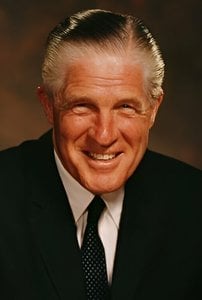
1734 - 1802 , 영국

Discover the enduring allure of hand-painted oil reproductions. WahooArt offers museum-quality, archival masterpieces designed for discerning collectors seeking timeless beauty and a lasting legacy. Invest in fine art that transcends generations with our expert craftsmanship.

Discover the profound allure of oil on canvas. Explore the mastery of impasto textures, the science of pigment longevity, and expert guides to selecting museum-quality reproductions that elevate your collection with timeless elegance and tactile depth.
Discover the exquisite journey of transforming digital photography into bespoke oil masterpieces. Experience unparalleled craftsmanship with hand-painted reproductions that bridge modern memories and timeless fine art excellence.

Discover the enduring allure of oil on canvas. Explore how master techniques like impasto and glazing create the depth, texture, and emotional resonance found in the world's greatest masterpieces. An essential guide for fine art enthusiasts and discerning collectors.

 실제 크기로 보기
 보내기
보내기 공유하기
공유하기
 상세 보기
상세 보기 가이드 보기

 이미지 다운로드
 유사 작품 더 보기
 X-레이
X-레이 슬라이드 쇼 보기
 통계 정보
통계 정보

 상세 보기
상세 보기









 유리 옵션은 110cm 미만 크기에서만 선택 가능합니다.


