
미리보기 AR 미리보기 프린트 판매로 전환 디지털 이미지로 전환 공유하기
상세 정보 즐겨찾기에 추가 다운로드 유사 작품 X-레이 슬라이드 쇼 통계 정보

John Smith (1703–1787)

Experience the captivating portrait of John Smith by George Romney! This stunning 1782 oil painting showcases a dignified gentleman, expertly rendered with meticulous detail and refined Rococo style.

조지 로먼은 레지스 정취를 담은 네오클래식 시대의 명작으로 유명하며, 특히 에마 하밀턴과 함께 작업하여 고전 신화와 극적인 서사성을 표현했습니다. 그의 작품은 우아함과 섬세함을 통해 영국 엘리트 사회의 삶과 취향을 반영하고 있으며, 예술가들의 감각에 영감을 불어넣었습니다.

수제 유화 복제품

원하는 크기와 액자로 주문 제작되는, 작가들이 직접 캔버스에 손으로 그린 유화 작품입니다. ( 프린트 판매로 전환 디지털 이미지로 전환)

P118B $10
P118H $10
P118W $10
P438Z $10
P508JH $12
P508YH $12
P805H $10
P805Z $10
P919BZ $10
P919G $10
P919XJ $10
P959ZH $10
P968JZ $12
W106C $8
W218G $10
W218JH $8
W218Y $10
W307PJ $10
W316G $10
W316PJ $8
W316Y $10
W398PJ $8
W4111J $10
W500HY $15
W500JH $15
W692G $12
W849H $8
W940BG $15
W953PJ $8

표준 규격
맞춤형
CM
INCH

작품의 원본 비율을 유지하는 미리 설정된 크기 중에서 선택하세요.

가로 너비
세로 길이

특정 프레임이나 공간에 맞도록 직접 크기를 입력할 수 있습니다. 선택하신 크기가 원본 이미지의 비율과 일치하지 않는 경우, 작품을 자르거나 추가적인 손으로 그린 요소를 사용하여 그림을 확장합니다. 제작 시작 전 승인을 위해 디지털 목업을 보내드립니다.
화면 미리 보기는 실제 자르기 또는 확장을 반영하지 않습니다. 최종 구성은 목업을 통해서만 정확하게 확인하실 수 있습니다.
맞춤 크기 제작도 가능하지만, 원본 비율을 유지하기 위해 사전 정의된 목록에서 크기를 선택하시는 것을 권장합니다.

변경 가능한 예시: 얼굴을 고객의 사진으로 교체, 반려동물 추가(예: 고양이를 강아지로 변경), 배경에 숨겨진 메시지 삽입, 배경 풍경 또는 요소 변경 등
주문 후 WahooArt.com 팀에서 상세 안내를 위해 고객님께 이메일을 보내드리며, 미리보기 시안을 제공해 드립니다.

전 세계 배송()은 표준 5주 대신 3~4주 내에 완료됩니다. (19 9월). 품질에는 어떠한 타협도 하지 않습니다.

why_choose_icon
전 세계 무료 특급 배송
why_choose_icon
프리미엄 린넨 캔버스
why_choose_icon
전체 배송 보험 보장
why_choose_icon
관세 환불 보장
why_choose_icon
실제 색상 일치 보장
why_choose_icon
100일 반품 정책 (결함 발생 시에만 적용)
why_choose_icon
100% 환불 보장
why_choose_icon
다량 구매 할인 혜택

총 합계 금액

$ 272

reproduction

John Smith (1703–1787)

재현 기법

복제본 크기

-

최종 결제 금액

$ 272

작품 정보 요약

  • Title: John Smith (1703–1787)
  • Artist: George Romney
  • Influences: British painting
  • Notable elements or techniques: Portrait of a man
  • Dimensions: 127 x 102 cm
  • Movement: Rococo
  • Medium: Oil on canvas

예술 상식 퀴즈

각 질문의 정답은 하나뿐입니다.

질문 1:
What is the primary subject of George Romney’s portrait, ‘John Smith (1703–1787)’?
질문 2:
According to the provided information, in what year was ‘John Smith (1703–1787)’ painted?
질문 3:
The image description mentions two chairs and a clock in the background of the painting. What do these elements suggest about the setting?
질문 4:
Who is credited as the artist of ‘John Smith (1703–1787)’?
질문 5:
Based on the provided text, what artistic style is associated with George Romney’s work?

A Portrait of Quiet Authority: Unveiling John Smith

George Romney’s “John Smith (1703–1787)” is more than a simple likeness; it's a meticulously crafted tableau of 18th-century English society, imbued with the subtle power dynamics inherent in portraiture. Painted in 1782, during the height of Romney’s career as a leading court painter, this work offers a rare glimpse into the life of a successful merchant – John Smith himself – a man whose wealth and standing are subtly conveyed through posture, attire, and the carefully arranged details of his surroundings.

Romney's Rococo style, deeply influenced by his time in Paris, is evident in the painting’s delicate brushwork and the soft, diffused lighting. The composition is remarkably balanced, drawing the eye to Smith’s centered form while simultaneously establishing a sense of depth through the inclusion of two chairs and a clock – elements that anchor him within a domestic space yet subtly elevate his status. Note the precision with which Romney captures the texture of Smith's brown jacket, the sheen of his wig, and the slight furrow in his brow, suggesting both intelligence and a certain weariness associated with managing considerable business interests.

The Context of Portraiture: Status and Representation

Portraiture during the late 18th century was a complex social ritual. Commissions were often driven by wealth and status, serving as visual declarations of success and lineage. Romney’s clientele included prominent figures from Parliament, the military, and the merchant class – individuals who understood the power of carefully constructed images to reinforce their position within society. “John Smith” exemplifies this trend; it's not merely a representation of a man but an assertion of his importance.

The inclusion of the clock is particularly significant. Timekeeping devices were symbols of wealth and sophistication, demonstrating access to advanced technology and reflecting a refined lifestyle. The two chairs further contribute to this sense of established comfort and authority – suggesting a life lived within a framework of order and prosperity. Smith’s posture, seated with an air of quiet contemplation, reinforces the impression of a man accustomed to command and decision-making.

Symbolism and Subtle Details

Beyond the obvious markers of wealth and status, Romney employs subtle symbolism throughout the painting. The snuff box in Smith's left hand is a common accessory for gentlemen of his era, signifying refinement and leisure. It’s a small detail that speaks volumes about Smith’s social standing and habits. The muted color palette – dominated by browns, creams, and golds – evokes a sense of understated elegance, reflecting the restrained sensibilities of the Rococo style.

Furthermore, observe the careful attention to detail in the background. The two chairs, one positioned near the left side and another towards the right, create a sense of spatial depth and suggest a well-appointed room. The wall above Smith’s head features a clock, adding another layer of visual interest and reinforcing the theme of time and authority.

A Legacy in Reproduction: Bringing Romney's Vision to Life

Reproductions of “John Smith (1703–1787)” offer an exceptional opportunity to experience the artistry and sophistication of George Romney’s work. The meticulous detail captured in the original painting is faithfully reproduced, allowing viewers to appreciate the nuances of Romney's technique and his masterful understanding of human form and expression. Whether displayed in a formal study or a contemporary living space, this artwork continues to resonate with its timeless elegance and quiet authority.

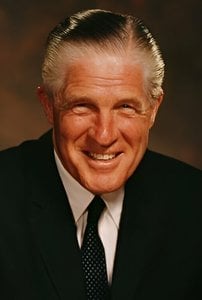
작가 약력

A Life in Portraiture: The World of George Romney

Born in the picturesque landscape of Dalton-in-Furness, Lancashire, on December 15th, 1734, George Romney ascended to become one of the most sought-after portrait painters of his era. His journey from a cabinet maker’s son to the favored artist of British high society is a compelling narrative of innate talent and unwavering ambition. Early life offered little indication of the artistic path he would forge; initially apprenticed to his father, it was an inherent inclination towards drawing and craftsmanship that led him to Christopher Steele, a local portraitist who had studied in Paris. This apprenticeship proved pivotal, providing Romney with foundational skills and an introduction to European artistic traditions. He quickly surpassed his master, however, demonstrating a precocious talent demanding further cultivation. A brief, unhappy marriage and subsequent separation propelled him towards London in 1762, a city brimming with opportunity but also fierce competition.

Establishing a Reputation: Style and Technique

London proved to be a crucible for Romney’s artistic development. He swiftly established himself as a formidable portraitist, challenging the dominance of artists like Thomas Gainsborough and Sir Joshua Reynolds. While he never sought membership in the Royal Academy – a decision that perhaps limited his access to certain patronage – his success was undeniable. Romney's style evolved over time, initially reflecting the influence of Steele and his Parisian training, but soon blossomed into something distinctly his own. He possessed an exceptional ability to capture not merely the likeness, but also the personality and social standing of his sitters. His portraits are characterized by elegant poses, a refined use of light and shadow, and a subtle psychological insight that set him apart. Romney’s technique was marked by a delicate touch and a preference for flowing lines, often drawing inspiration from classical sculpture. He skillfully employed color to convey texture and depth, creating portraits that were both visually striking and emotionally resonant. His ability to flatter his subjects while maintaining artistic integrity earned him the loyalty of an elite clientele. He understood the power of suggestion, hinting at character rather than explicitly defining it, a quality that appealed to those who valued discretion and refinement. Romney’s meticulous attention to detail—the subtle folds of fabric, the delicate rendering of skin tones—demonstrated his mastery of observation and artistic execution.

The Muse and Her Influence: Emma Hamilton

Romney’s life took a dramatic turn with his encounter with Emma Hart, later known as Lady Hamilton, in 1782. She became not only his most celebrated model but also his muse, profoundly influencing his artistic output. Emma's beauty, intelligence, and theatrical flair captivated Romney, inspiring a series of portraits that explored themes of classical mythology, dramatic narrative, and feminine grace. He depicted her in various roles – as a spinner, as the tragic Miranda from Shakespeare’s *The Tempest*, and in numerous allegorical scenes that showcased her expressive range. These works demonstrate Romney's willingness to experiment with composition and symbolism, moving beyond conventional portraiture into more imaginative territory. The Tempest series, in particular, reveals a Romantic sensibility at play, anticipating the emotional intensity of later artists. The relationship was intense and all-consuming for Romney, though ultimately unfulfilled romantically; Emma eventually became the mistress of Lord Nelson, a union that cemented her place in history. Nevertheless, their artistic collaboration left an indelible mark on both their lives and produced some of Romney’s most enduring masterpieces. He painted over 80 portraits of her, each revealing a different facet of her captivating personality. The dynamism captured in these images—Emma's gaze, her posture—contrasted sharply with the static formality often found in earlier portraiture, signaling a significant shift towards emotional expression.

Notable Works and Artistic Legacy

Romney’s oeuvre encompasses a remarkable range of subjects, from family portraits to landscapes and mythological scenes. Among his most celebrated paintings are *Peter and James Romney*, capturing the affectionate bond between father and son with unparalleled tenderness; *Portrait of G. Cowper*, showcasing Cowper's intellectual demeanor and dignified bearing; *The Death of General Wolfe*, a monumental depiction of a pivotal moment in British military history, executed with masterful realism and dramatic flair; and *Mrs. Carwardine & Son*, portraying the maternal warmth and familial connection with exquisite sensitivity. These works exemplify Romney’s artistic vision—a commitment to capturing both physical likeness and psychological character—and solidify his position as one of Britain's foremost portraitists. His influence extended beyond his own time, inspiring subsequent generations of artists who admired his technique and stylistic innovation. Romney’s legacy resides not only in the beauty of his paintings but also in their profound exploration of human emotion and social context. He remains a significant figure in the history of art, a master portraitist who captured the spirit of an age and left behind a body of work that continues to captivate and inspire. ## Historical Significance George Romney’s contribution to British art is undeniable. He helped establish a new aesthetic standard—one characterized by elegance, psychological depth, and artistic refinement—that resonated throughout the Romantic era. His portraits offer invaluable insights into the social customs, fashion, and intellectual pursuits of the British elite during his lifetime, providing a visual chronicle of an influential period in British history. Romney’s unwavering dedication to his craft and his ability to convey emotion through meticulous observation cemented his place as a pioneer of psychological portraiture—a genre that would profoundly shape the artistic landscape of the 19th century. His work continues to be studied and admired for its technical brilliance and emotional resonance, ensuring that George Romney's artistic legacy endures for generations to come.
조지 로먼리

조지 로먼리

1734 - 1802 , 영국

주요 정보

  • Artistic Movement Or Style: 초상화 기법, 로맨티시즘
  • Artists Who Influenced This Artist:
    • 크리스토퍼 스틸
    • 카를 반 루
    • 라파엘
    • 티치아노
  • Date Of Birth: 1734년 12월 15일
  • Date Of Death: 1802년 11월 15일
  • Full Name: George Romney
  • Nationality: 영국인
  • Notable Artworks:
    • 피터 및 제임스 로먼니
    • 그레고리 코퍼 초상화
    • 볼프 장군 사후
  • Place Of Birth: 런던 지역 케널스빌
테마, 스타일 및 특징별로 분류된 작품들을 만나보세요.


































