
무료 아트 컨설팅

x
프린트 구매하기 프린트 구매하기작품 구매하기 작품 구매하기 공유하기공유하기
상세 정보상세 정보 즐겨찾기에 추가 즐겨찾기에 추가 다운로드다운로드 유사 작품유사 작품 X-레이X-레이 슬라이드 쇼슬라이드 쇼

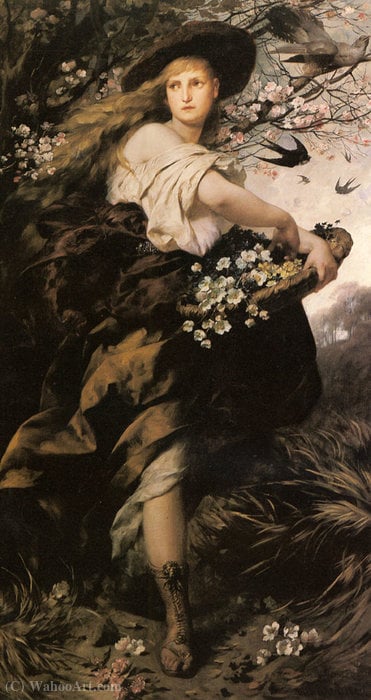
Flora

Explore the genre & history paintings of Ferdinand Keller (1842-1922), a German artist known for his depictions of bullfighting, landscapes, and royal commissions. Discover his legacy!

온라인 미리보기보다 훨씬 뛰어난 품질의 고해상도 디지털 이미지를 구매해 보세요.

각 파일은 사내 전문가가 고급 도구와 숙련된 수동 리터칭 기술을 사용하여 세심하게 준비합니다. 우리는 모든 이미지가 탁월한 선명도, 정확한 색상 재현력, 그리고 미세한 디테일까지 완벽하게 갖추도록 보장합니다.

최종 파일은 전문적인 편집 및 인쇄 환경에서 즉시 사용할 수 있도록 최적화되어 72시간 이내에 이메일로 발송됩니다. 이는 세계적인 디자인 스튜디오, 출판사 및 갤러리가 신뢰하는 것과 동일한 품질입니다.

디지털 이미지

개인 소장 및 전시, 인쇄, 창작 프로젝트를 위한 고해상도 파일을 다운로드하세요.

최종 결제 금액

$9.99

모든 디지털 이미지 주문에 포함된 혜택

전문적인 디지털 이미지 전송 보장

WahooArt.com를 선택하시면 단순히 이미지를 받는 것을 넘어, 정밀한 보정 과정을 거친 전문적인 디지털 예술 작품을 만나보실 수 있습니다. 모든 작품에는 만족 보장 서비스가 함께 제공되며, 주문 시 다음과 같은 사항들이 자동으로 포함됩니다:

shipping_icon
빠른 이메일 전송

주문 후 72시간 이내에 고해상도 디지털 이미지 파일이 이메일로 발송되며, 즉시 사용하실 수 있습니다.

canvas_icon
AI 기술로 향상된 디지털 파일

귀하의 작품은 고급 AI 도구와 수동 편집 과정을 거쳐 전문적으로 최적화되며, 이를 통해 디테일과 선명도, 색상의 정확도를 극대화합니다.

insurance_icon
평생 무료 재전송 서비스

파일을 실수로 삭제하거나 분실하셨나요? 걱정 마세요. 언제든 무료로 다시 보내드립니다.

tax_icon
추가 수입 비용 없음 - 언제나

관세나 부가세, 배송비 부담 없이 작품을 즉시 감상하세요 - 디지털 다운로드는 언제나 면세 혜택이 적용됩니다.

color_icon
정확한 색상 보장

전문적인 도구와 색상 관리 시스템을 통해 디지털 이미지가 원본의 색상을 최대한 정확하게 구현하도록 보장합니다.

return_icon
60일 만족 보장제

구매하신 디지털 이미지에 만족하지 못하실 경우, 60일 이내에 수정 또는 100% 환불을 진행해 드립니다 - 어떠한 문의도 필요 없습니다.

guarantee_icon
100% 환불 보장

만족하지 못하셨나요? 디지털 파일을 수령하신 후 60일 이내라면 별도의 이유를 밝힐 필요 없이 전액 환불해 드립니다.

discount_icon
대량 주문 할인

이미지 3매 구매 시 10% 할인 - 5매 구매 시 15% 할인 - 10매 이상 구매 시 20% 할인. 크리에이티브 프로젝트, 갤러리, 에이전시에 매우 유용합니다.


작가 소개

Ferdinand Keller (1842–1922): A Pioneer of Romantic Symbolism

Ferdinand Keller (August 5, 1842 – July 8, 1922) stands as a pivotal figure in German Romantic painting, recognized primarily for his masterful depictions of bullfighting and landscapes imbued with profound symbolic resonance. Born in Karlsruhe to the family of a civil engineer, Keller’s artistic journey began amidst the intellectual fervor of his time—a period marked by burgeoning interest in psychology and philosophical explorations into the human condition. His formative years were shaped by witnessing his father's involvement in ambitious infrastructural projects across Brazil, fostering an early appreciation for observation and meticulous detail. Keller’s formal training commenced at the Karlsruhe Academy of Fine Arts under Johann Wilhelm Schirmer, a celebrated educator who championed classical ideals and instilled in Keller a dedication to artistic rigor. Schirmer’s influence extended beyond technique; he encouraged Keller to contemplate the broader implications of art as a vehicle for conveying emotion and intellectual insight—a cornerstone of Romantic philosophy. Following Schirmer's untimely demise, Keller honed his skills with Ludwig des Coudres, whose teachings further refined Keller’s stylistic sensibilities. Dissatisfaction with the Academy’s conservative approach propelled him toward independent study, prioritizing private instruction in the studio of Hans Canon, a sculptor known for his expressive realism. These formative experiences fueled Keller's artistic explorations, encompassing extensive travel to Switzerland and France between 1866 and 1867—locations that served as sources of inspiration for his landscapes and imbued them with the spirit of Romantic idealism. He achieved considerable acclaim early in his career with “The Death of Philip II,” presented at the International Exposition of Paris in 1867, demonstrating his ability to capture dramatic emotion and psychological complexity within a monumental canvas. From 1867 to 1869, Keller resided in Rome, engaging intellectually with Anselm Feuerbach—a fellow artist and philosopher whose ideas profoundly impacted Keller’s artistic worldview. This collaboration fostered a shared commitment to exploring the relationship between art and spirituality, shaping Keller's distinctive aesthetic vision. Keller’s directorial tenure at Karlsruhe Academy (1870–1913) solidified his position as a leading figure in German art education—a role he embraced with unwavering dedication. Beyond his responsibilities as instructor and director, he undertook significant commissions for theatrical productions, notably decorating the King Carl Hall at the Landesmuseum Württemberg, where his opulent murals showcased his mastery of color and composition. Recognizing Keller’s artistic merit and contribution to cultural heritage, Frederick I, Grand Duke of Baden, bestowed upon him the title of nobility—a testament to his enduring legacy as a visionary artist and humanist. Perhaps most notably, he undertook the monumental task of painting “The History of Baden,” now housed at the Staatliche Kunsthalle Baden-Baden—a project that exemplifies Keller’s ambition to engage with grand narratives and convey profound emotional truths through visual art. Keller's artistic output extended beyond monumental murals; his etchings served as illustrations for numerous literary works, demonstrating his versatility as an artist and furthering his engagement with intellectual discourse. His landscapes, characterized by atmospheric perspective and evocative tonal harmonies, capture the sublime beauty of Alpine vistas—reflecting the Romantic preoccupation with confronting the grandeur of nature and contemplating its spiritual significance. Keller’s paintings are distinguished by their meticulous attention to detail, combined with a masterful command of color and light—elements that contribute to their expressive power and enduring appeal. His artistic legacy continues to inspire artists today, cementing his place as one of Germany's most influential Romantic painters.
ferdinand keller

ferdinand keller

1842 - 1922

주요 정보

  • Artistic Movement Or Style: Romanticism
  • Artists Or Movements Influenced By This Artist: ['Arnold Bocklin']
  • Artists Who Influenced This Artist:
    • Hans Canon
    • Ludwig Richter
  • Date Of Birth: August 5, 1842
  • Date Of Death: July 8, 1922
  • Full Name: Ferdinand Keller
  • Nationality: German
  • Notable Artworks:
    • The Death of Philip II
    • Türkenlouis
  • Place Of Birth: Karlsruhe, Germany

