
빠른 제작과 다양한 마감 옵션을 제공하는 박물관 품질의 지클레이 또는 캔버스 프린트. ( 손으로 그린 그림 구매 디지털 이미지로 전환)





























작품의 원본 비율을 유지하는 미리 설정된 크기 중에서 선택하세요.

특정 프레임이나 공간에 맞춰 직접 치수를 입력하실 수 있습니다. 선택하신 사이즈가 원본 이미지의 비율과 일치하지 않을 경우, 작품을 크롭(자르기)하거나 이미지를 대칭 또는 단색 채우기로 확장하여 제작합니다. 제작 시작 전, 최종 확인을 위해 디지털 목업이 전송됩니다.
화면상의 미리보기는 실제 크롭이나 확장 상태를 반영하지 않으므로, 최종 구도는 오직 목업을 통해서만 정확하게 확인하실 수 있습니다.
맞춤 사이즈 제작도 가능하지만, 원본 비율을 유지하기 위해서는 사전 정의된 목록에서 치수를 선택하시는 것을 권장합니다.

The Annunciation (detail)
복제본 크기
Doménikos Theotokópoulos, universally known as El Greco (meaning “the Greek”), stands as one of the most singular figures in the history of Western art. His dramatic and intensely emotional works bridged the gap between the Renaissance and the Baroque periods, while simultaneously forging a distinctly personal style—a style that continues to fascinate scholars and artists alike.
The Annunciation, painted by El Greco in 1597, resides at the Museo Thyssen-Bornemisza in Madrid, Spain. This monumental canvas offers an unparalleled glimpse into the artist’s mastery of Byzantine influences blended with innovative Venetian techniques—a testament to his transformative journey through Europe.
At its core, the painting depicts a pivotal biblical scene: the visitation of the Archangel Gabriel to Mary, announcing her divine conception. El Greco meticulously arranges figures within a shallow courtyard setting bathed in diffused light—a characteristic feature of his Venetian period. The angel on the left side holds a book, symbolizing divine knowledge and scripture, while gazing upwards towards Mary. Simultaneously, he gestures with his right hand, conveying reassurance and blessing.
Mary kneels reverently before Gabriel, her gaze fixed upward in contemplation—a gesture laden with spiritual significance. Her posture embodies humility and acceptance of God’s will. The angel’s robe is adorned with intricate drapery folds that contribute to the painting's ethereal atmosphere. Notably, a flaming rose bush sits beneath Mary’s lectern, representing her virginity and symbolizing divine grace.
El Greco’s artistic style underwent considerable evolution throughout his career, profoundly shaped by his formative years in Crete and subsequent explorations of Venice and Toledo. His early works demonstrate a pronounced adherence to Byzantine conventions—precise detail, hierarchical composition, and vibrant color palettes—reflecting the traditions of his homeland.
However, El Greco’s Venetian period witnessed a decisive shift toward Mannerism, characterized by elongated figures, stylized poses, and exaggerated expressions. He skillfully incorporated elements from Titian and Tintoretto's oeuvre, adopting their masterful use of chiaroscuro—the dramatic interplay between light and shadow—to heighten emotional impact.
The Annunciation exemplifies El Greco’s Venetian style, showcasing his ability to synthesize disparate influences into a cohesive visual language. The elongated figures are rendered with remarkable fluidity and dynamism, conveying an inner turmoil that transcends mere representation.
Painted during the Counter Reformation—a period marked by religious fervor and artistic conservatism—The Annunciation stands as one of El Greco’s “most pleasing” early works. Its composition enhances the painting's otherworldly quality, capturing a moment of profound spiritual revelation.
Acquired by Baron Hans Heinrich Thyssen-Bornemisza in 1975 and subsequently housed at Museo Nacional Thyssen-Bornemisza, The Annunciation continues to inspire admiration for its artistic innovation and emotional depth. Scholars recognize El Greco as a precursor of Expressionism and Cubism—artists who would later revolutionize the visual arts.
Furthermore, numerous paintings on this subject were recorded in El Greco’s inventories drawn up upon his death in 1614 and during the marriage celebration of his son Jorge Manuel—providing invaluable insight into the artist's artistic legacy. The painting’s enduring appeal lies in its ability to convey a timeless message of faith and divine grace.
El Greco’s Annunciation remains an unparalleled masterpiece—a testament to his singular vision and unwavering commitment to artistic excellence. Its significance transcends mere stylistic innovation; it embodies the artist's profound engagement with spiritual themes, cementing its place as a cornerstone of Western art history.


1541 - 1614 , 그리스

Explore the dramatic world of Baroque art! Discover iconic artists like Caravaggio & Rubens, defining techniques, and its lasting impact on art history. Expert insights for collectors & enthusiasts at WahooArt.

엘 그레코의 영혼을 담은 걸작 25선을 만나보세요. 스페인 화가 엘 그레코의 종교화, 마니에리스모 스타일, 그리고 그의 대표작들을 WahooArt에서 감상하고 특별한 인테리어 아트 아이디어를 얻으세요. 지금 바로 컬렉션을 탐험하세요!
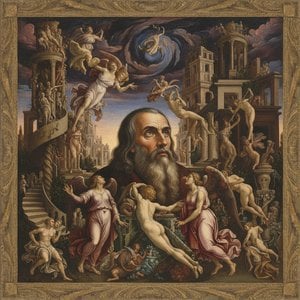
Explore the dramatic transition from High Renaissance harmony to Mannerist tension. Discover how masters like El Greco redefined art through distortion and spiritual intensity. An expert guide for art enthusiasts seeking deep historical context and museum-quality inspiration.
화려함과 극적인 표현이 압권! 바로크 미술을 대표하는 10대 걸작의 숨겨진 이야기를 만나보세요. 베르니니, 루벤스 등 거장의 작품부터 바로크 색감, 예술적 기법까지 – WahooArt.com에서 명품 복제 & 인테리어 영감을 얻으세요! 지금 바로 컬렉션을 탐험해보세요.

Explore the captivating world of El Greco! Discover his unique style, spiritual intensity, and lasting impact on art history. Learn about this Renaissance master's life, iconic paintings & legacy.


 미리보기
미리보기
 공유하기
공유하기 공유하기
공유하기
 상세 정보
상세 정보 가이드 보기

 다운로드
다운로드
 유사 작품
유사 작품 X-레이
X-레이 슬라이드 쇼
 통계 정보
통계 정보


 더 보기
더 보기









 유리 옵션은 110cm 미만 크기에서만 선택 가능합니다.


