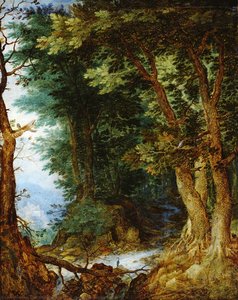
Other
Other 76.0 x 55.0 cm
작가가 직접 캔버스에 손으로 그린 유화 작품으로, 원하는 크기와 액자로 맞춤 제작해 드립니다. ( 프린트 판매로 전환 디지털 이미지 판매 채널로 전환)





























작품의 원본 비율을 그대로 유지하는 프리셋 사이즈 중에서 선택해 보세요.

특정 프레임이나 공간에 맞춰 원하는 크기를 직접 입력하실 수 있습니다. 선택하신 크기가 원본 이미지의 비율과 일치하지 않을 경우, 작품을 자르거나 추가적인 수작업 요소를 더해 그림을 확장하여 제작합니다. 제작 시작 전, 최종 확인을 위해 디지털 목업을 보내드립니다.
화면상의 미리 보기는 실제 크롭(자르기)이나 확장된 상태를 완벽히 반영하지 않을 수 있습니다. 최종 구도는 오직 목업을 통해서만 정확하게 확인하실 수 있습니다.
맞춤 크기 제작도 가능하지만, 원본의 비율을 그대로 유지하기 위해서는 미리 정의된 목록에서 크기를 선택하시는 것을 권장합니다.

Sindanglaya
복제본 규격

Czesław Miłosz stands as a singular and profound voice in the landscape of twentieth-century literature, a writer whose very essence was shaped by the shifting borders and ethnic tensions of his homeland. Born in 1898 in the region of Wołyń, Poland, his early years were steeped in a world where identity was often caught in the crosswinds of historical upheaval. This formative period instilled within him an enduring sensitivity to the themes of displacement, loss, and the fragility of human existence—themes that would eventually become the heartbeat of his poetic oeuvre. His intellectual journey, which took him from the rigorous academic environments of Moscow and Warsaw to the vibrant, avant-garde circles of Paris, allowed him to weave together a tapestry of diverse cultural influences.
The development of Miłosz’s artistic style was deeply influenced by his exposure to the radical movements of his era. In Paris, during the 1920s, he immersed himself in the complexities of Surrealism and existentialist thought, learning to utilize dreamlike imagery and associative language to confront the difficult truths of reality. His work is characterized by a meticulous observation of the world, paired with a lyrical precision that captures both the beauty of nature and the horrors of human conflict. This duality—the ability to find the sacred within the mundane—is perhaps his greatest technical achievement, as he navigated the tension between the personal lyric and the historical epic.
The works of Miłosz are much more than mere verses; they are profound meditations on the weight of history and the persistence of memory. Through collections such as Zniewolony Cień (The Captive Shadow) and Dzienniki Ziemi (Diary of a Land), he grappled with the trauma of war and the complexities of human relationships under the shadow of totalitarianism. His writing often explores the intersection of faith and doubt, reflecting a soul that sought meaning amidst the wreckage of the twentieth century. There is a haunting quality to his exploration of exile, where the loss of a physical homeland mirrors a deeper, spiritual displacement.
Beyond the political and historical, Miłosz’s art is deeply rooted in the folklore and mythology of his Polish-Jewish heritage. This connection to myth allowed him to create a sense of timelessness within his poetry, bridging the gap between ancient tradition and modern catastrophe. His ability to synthesize these elements—the surreal, the historical, and the mythological—ensured that his work resonated far beyond the borders of Poland, touching upon universal truths about the human condition. His literary legacy is defined by this unwavering commitment to witnessing the truth, no matter how harrowing, while maintaining a profound reverence for the light of human consciousness.

1898 - 1938

Discover the ethereal beauty of watercolor through an art-historical lens. Master the delicate balance of light, fluidity, and pigment to capture the luminous essence of nature, inspired by the legendary techniques of the Old Masters and Impressionist greats.

 실제 크기로 보기
 보내기
보내기 공유하기
공유하기
 상세 보기
상세 보기 가이드 보기

 이미지 다운로드
 유사 작품 더 보기
 X-레이
X-레이 슬라이드 쇼 보기
 통계 정보
통계 정보 상세 보기
상세 보기









 유리 옵션은 110cm 미만 크기에서만 선택 가능합니다.