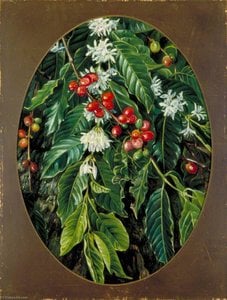
OilWallArtVictorian Botanical Painting
 187019th Century
 35.0 x 25.0 cm
 Marianne North Gallery
원하는 크기와 액자로 주문 제작되는, 작가들이 직접 캔버스에 손으로 그린 유화 작품입니다. ( 프린트 판매로 전환 디지털 이미지로 전환)





























작품의 원본 비율을 유지하는 미리 설정된 크기 중에서 선택하세요.

특정 프레임이나 공간에 맞도록 직접 크기를 입력할 수 있습니다. 선택하신 크기가 원본 이미지의 비율과 일치하지 않는 경우, 작품을 자르거나 추가적인 손으로 그린 요소를 사용하여 그림을 확장합니다. 제작 시작 전 승인을 위해 디지털 목업을 보내드립니다.
화면 미리 보기는 실제 자르기 또는 확장을 반영하지 않습니다. 최종 구성은 목업을 통해서만 정확하게 확인하실 수 있습니다.
맞춤 크기 제작도 가능하지만, 원본 비율을 유지하기 위해 사전 정의된 목록에서 크기를 선택하시는 것을 권장합니다.

Bamboos and Cocoanut Palm
복제본 크기
To encounter Marianne North’s “Bamboos and Cocoanut Palm” is to step through a portal into a lost, sun-drenched paradise. Painted in 1870, this masterpiece serves as more than a mere botanical study; it is a vibrant, breathing window into the lush ecosystems of Southeast Asia. North, a woman who famously traded the stifling drawing rooms of Victorian England for the untamed frontiers of the globe, possessed a rare ability to capture the very humidity and light of the tropics. In this work, the towering stalks of bamboo and the rhythmic sway of coconut palms are not static subjects but participants in a grand, living drama. The scene is punctuated by the brilliant flashes of scarlet and emerald plumage from birds in flight, creating a sense of kinetic energy that pulls the viewer into the heart of the grove.
The composition masterfully balances the monumental scale of nature with intimate human traces. While the eye is immediately drawn to the majestic canopy, a subtle dwelling nestled at the base of the palms provides a grounding element of human presence. This juxtaposition suggests a harmonious coexistence between man and the wild, a theme that resonates deeply with modern sensibilities seeking connection to the natural world. For the discerning collector or interior designer, this painting offers a profound sense of serenity and escapism, making it an ideal centerpiece for spaces designed to evoke tranquility, growth, and organic elegance.
Technically, North’s approach in “Bamboos and Cocoanut Palm” leans toward a proto-impressionistic style that prioritizes atmosphere over rigid, photographic precision. Her brushwork is loose, expressive, and remarkably fluid, allowing colors to bleed into one another just enough to mimic the dappled sunlight filtering through a dense jungle canopy. This technique creates a sensory experience; one can almost feel the warmth of the tropical air and hear the rustle of leaves. Rather than isolating individual specimens as a traditional scientist might, North paints the ecosystem. She captures the interplay of light and shadow, the way a heavy coconut hangs with weight, and the way light catches the iridescent feathers of a passing parrot.
The color palette is a triumph of botanical vibrancy, dominated by deep, life-affirming greens that range from the dark, shadowed recesses of the bamboo thickets to the bright, translucent lime of sunlit fronds. These greens are brilliantly contrasted by the warm, earthy tones of the landscape and the sudden, electric pops of color from the tropical fauna. This deliberate use of color does not merely decorate the canvas; it breathes life into it, ensuring that the painting remains a dynamic presence in any room. For those looking to adorn a home with art that feels both historically significant and eternally fresh, North’s ability to marry scientific observation with emotional, painterly flair offers an unparalleled level of sophistication.
Beyond its aesthetic brilliance, this work carries the weight of a remarkable biography. As a pioneer of botanical art, Marianne North’s life was an odyssey of courage and curiosity. Every stroke in “Bamboos and Cocoanut Palm” is infused with the spirit of her travels—a testament to a woman who refused to be confined by the expectations of her era. To hang a reproduction of this work is to invite that same spirit of exploration into one's own environment. It serves as a constant reminder of the beauty that exists in the unexplored corners of our planet and the importance of observing the world with an open, adventurous heart.
Whether placed in a sunlit library, a contemporary living space, or a professional design studio, this painting acts as a focal point for contemplation. It invites the viewer to pause, to breathe, and to reconnect with the primal beauty of the earth. In an age of digital fleetingness, North’s enduring vision provides a permanent sanctuary of peace, making it a timeless acquisition for anyone who finds inspiration in the untamed splendor of the natural world.


1830 - 1890 , 영국

Discover the breathtaking botanical world of Marianne North. Explore her vibrant Victorian oil paintings of exotic landscapes, from Brazil to Jamaica, through an expert art-historical lens. Perfect for classic art enthusiasts and collectors of fine natural history art.

Discover the enduring allure of oil on canvas. Explore how master techniques like impasto and glazing create the depth, texture, and emotional resonance found in the world's greatest masterpieces. An essential guide for fine art enthusiasts and discerning collectors.

Master the nuances of Impressionism vs. Post-Impressionism with our expert guide. Explore the revolutionary shift from Monet’s fleeting light to Van Gogh’s emotional depth. Discover how these iconic movements continue to inspire fine art collectors and modern interiors today.

Discover the profound allure of oil on canvas. Explore the mastery of impasto textures, the science of pigment longevity, and expert guides to selecting museum-quality reproductions that elevate your collection with timeless elegance and tactile depth.


 미리보기
미리보기
 공유하기
공유하기 공유하기
공유하기
 상세 정보
상세 정보 Guide
Guide

 다운로드
다운로드
 유사 작품
유사 작품 X-레이
X-레이 슬라이드 쇼
 통계 정보
통계 정보 더 보기
더 보기









 유리 옵션은 110cm 미만 크기에서만 선택 가능합니다.