


이 페이지에 표시된 작품은 저작권법의 보호를 받으며, 이에 따라 동일한 복제품을 제작하거나 판매하는 것은 법으로 금지되어 있습니다. 이러한 권리 보호는 다음과 같은 국제 협약에 따라 시행됩니다. 베른 협약 또한 다음에서 명시하는 법률을 포함한 국내법에 의해 보호됩니다. 미국 저작권법 제17조.
이 방식은 저작권 보호를 받는 예술 작품을 복제하거나 그대로 재현하는 것이 아니기에 저작권 규정을 완벽히 준수합니다. 대신, 이는 창의적인 재해석의 과정을 거칩니다. 즉, 원작에서 영감을 받되 원작과 동일하지 않은 새로운 회화 작품을 의미합니다.
빠른 제작과 다양한 마감 옵션을 제공하는 박물관 수준의 지클레이 및 캔버스 프린트. ( 수작업 채색 복제본 주문하기 디지털 이미지로 전환)
작품의 원본 비율을 그대로 유지하는 프리셋 사이즈 중에서 선택해 보세요.

액자나 벽면 크기에 맞춰 필요한 가로와 세로 길이를 입력해 주세요. 프린트는 원본 이미지보다 크게 제작할 수 없으며 오직 자르는 것만 가능하므로, 비율이 다른 사이즈를 선택할 경우 이미지의 일부가 잘려 나갈 수 있습니다. 인쇄 작업에 들어가기 전, 최종 확인을 위해 디지털 목업을 보내드립니다. 이 페이지에 표시된 이미지는 실제 잘리는 영역을 나타내지 않으며, 오직 목업을 통해서만 정확한 확인이 가능합니다.
The devil
복제본 크기
In the quiet, grainy depths of Claudia Andujar’s 1969 photograph, "The Devil’s Train," we encounter more than a mere historical record; we witness a profound meditation on the human condition. Captured during a period of significant social upheaval in Brazil, this striking black and white image serves as a visual poem reflecting the anxieties, aspirations, and bittersweet realities of displacement. The photograph documents a group of weary migrants traveling from the bustling metropolis of São Paulo toward the backlands of Bahia and Minas Gerais. These are individuals whose luggage was filled with hope, yet who often returned with nothing but the heavy weight of failed endeavors. Through Andujar’s lens, the train car becomes a microcosm of a nation in flux, a vessel carrying souls caught between the dream of a better life and the harsh reality of economic hardship.
The composition is masterfully balanced, utilizing a tight framing that strips away unnecessary distractions to focus our gaze intensely upon a young girl. Positioned slightly off-center, her face becomes the emotional anchor of the piece. As she sits amidst the traveling crowd, a cigarette held in her hand introduces a sharp diagonal line that cuts through the horizontal planes of the train car, injecting a sense of restlessness and movement into an otherwise static moment. This deliberate use of geometry creates a visual dynamism that draws the viewer into her gaze—a look that is simultaneously heavy with resignation and luminous with an undeniable, quiet strength.
Andujar’s technique is rooted in the traditions of humanist photography, a style that prioritizes emotional truthfulness over stylistic embellishment. Working with film—likely medium format—she achieved a remarkable tonal range that breathes life into the monochromatic palette. The image transitions seamlessly from deep, velvety blacks to brilliant, piercing whites, creating a sculptural quality in the subjects' features. This meticulous development process ensures that every texture is palpable: the rough, weathered fabric of the girl’s shirt, the smooth, ephemeral smoke of the cigarette, and the worn, wooden surfaces of the train car itself.
The lighting, appearing as natural and unadorned as the subject matter, casts soft shadows that emphasize the contours of the face, lending a sense of depth to an otherwise relatively flat perspective. This shallow depth of field keeps our attention locked onto the girl, while the receding figures in the background provide the necessary context of a crowded, shared struggle. There is a deliberate aesthetic restraint here; Andujar does not seek to romanticize poverty, but rather to dignify it through a lens of profound empathy and technical precision.
For the discerning collector or interior designer, "The Devil’s Train" offers a sophisticated layer of narrative depth that transcends simple decoration. The cigarette, often interpreted as a symbol of rebellion or a coping mechanism against stress, acts as a powerful conduit for exploring themes of vulnerability and defiance. The photograph does not merely depict a scene; it evokes a feeling of resilience. It is a piece that commands attention in any space, inviting contemplation on the universal human yearning for belonging and the enduring spirit required to navigate life's migrations.
Integrating a high-quality reproduction of this masterpiece into a curated collection or a refined interior provides more than just visual interest; it introduces a conversation piece of immense historical and emotional weight. The stark, monochromatic elegance of Andujar’s work complements both minimalist and classical environments, offering a timeless aesthetic that speaks to the beauty found in the most difficult of human journeys. To possess this image is to hold a fragment of history—a testament to the dignity of the marginalized and the transformative power of the photographic medium.
클라우디아 안두자르의 "The devil"의 복제본을 미리 보려면 작품의 가상 배치 미리보기 페이지를 확인해 주세요.
클라우디아 안두자르은(는) Humanist Photography 운동의 흐름 속에서 "The devil"을(를) 제작했습니다.
"The devil"은(는) Calm 분위기를 자아냅니다.


1931 - , 스위스
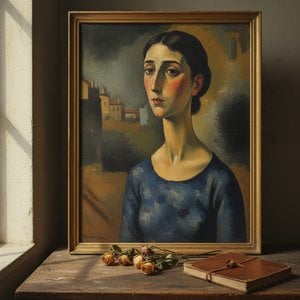
Delve into the haunting beauty of Amedeo Modigliani's portraits. Explore the intersection of Expressionism and Modernism through an expert analysis of his iconic elongated forms, melancholic gazes, and profound influence on art history.

Discover the profound beauty of Modigliani-style art. Explore the elegance of elongated forms and soulful portraits through our expert curation of hand-painted oil reproductions and museum-quality prints designed for the sophisticated collector.

Embark on a visual journey through the most captivating Surrealist masterpieces. From Dalí's dreamscapes to symbolic enigmas, discover expert insights for the discerning collector looking to acquire museum-quality fine art reproductions and bespoke commissions.
 공유하기
 공유하기
 상세 정보
 가이드 보기


 다운로드
 유사 작품 더 보기
 슬라이드 쇼 보기
 질의응답

 통계 정보


 더 보기






































 유리 옵션은 110cm 미만 크기에서만 선택 가능합니다.


